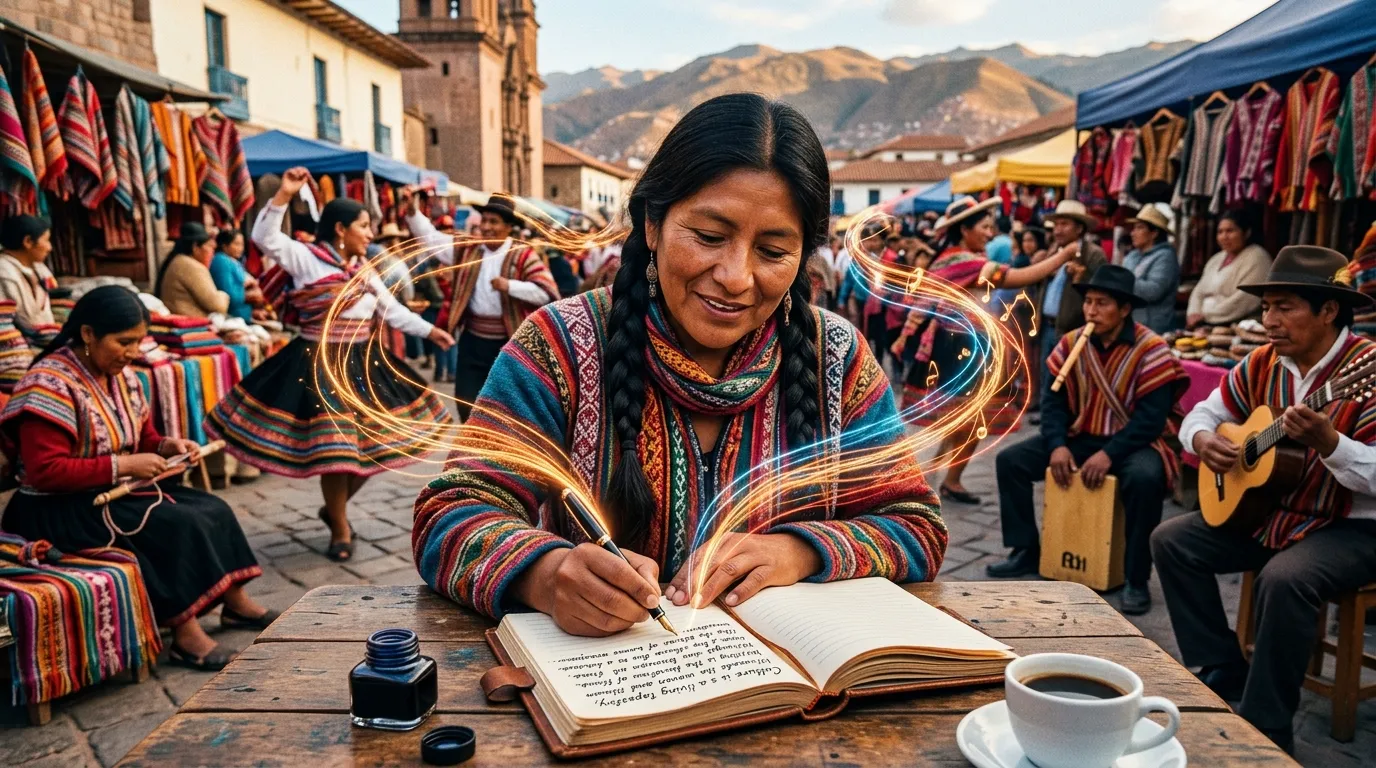
Culture shapes the way people think, communicate, celebrate, and connect with one another. Whether you’re writing about traditions, festivals, history, food, language, or everyday life, describing culture in a vivid and meaningful way helps readers understand experiences beyond their own. One of the most effective tools for achieving this is the simile.
A well-crafted simile allows writers to paint colorful pictures with words by comparing one thing to another in a familiar and relatable way. Instead of simply saying a festival was lively or a tradition was ancient, you can use similes to make those descriptions more memorable and emotionally engaging.
Whether you’re a student writing a cultural essay, a blogger sharing travel experiences, a journalist covering traditions, or a storyteller creating authentic settings, learning to use powerful similes for cultural writing can make your work richer and more expressive.
In this guide, you’ll discover 25 powerful similes for cultural writing, each explained with simple meanings, deeper definitions, practical usage insights, and realistic examples. You’ll also learn how to use these similes effectively in essays, stories, poems, and content writing.
What Is a Simile?
A simile is a figure of speech that compares two different things using the words “like” or “as.” These comparisons make descriptions more vivid, relatable, and easier for readers to imagine.
Similes help transform ordinary writing into engaging storytelling by creating strong mental images.
Simple Examples
- The celebration was as colorful as a rainbow.
- The tradition spread like the roots of an ancient tree.
These comparisons allow readers to visualize ideas instead of simply reading plain descriptions.
25 Powerful Similes for Cultural Writing
1. As colorful as a rainbow
Meaning: Full of variety and beauty.
Definition: Describes cultures, festivals, or communities rich in traditions, colors, and diversity.
Usage Insight: Perfect for describing festivals, clothing, celebrations, and multicultural events. Suitable for formal, casual, and creative writing.
Examples:
- The cultural festival was as colorful as a rainbow, with music, dance, and traditional costumes everywhere.
- The marketplace looked as colorful as a rainbow during the holiday celebration.
2. Like the roots of an ancient tree
Meaning: Deeply connected to history.
Definition: Represents traditions that have grown stronger over generations.
Usage Insight: Ideal for essays about heritage, ancestry, and cultural identity.
Examples:
- Their customs run like the roots of an ancient tree through every generation.
- The community’s traditions spread like the roots of an ancient tree.
3. As timeless as the stars
Meaning: Never losing importance.
Definition: Describes traditions and values that remain meaningful across centuries.
Usage Insight: Excellent for historical and cultural writing.
Examples:
- Respect for elders is as timeless as the stars.
- The ceremony remains as timeless as the stars.
4. Like a beautifully woven tapestry
Meaning: Richly connected and diverse.
Definition: Suggests many traditions, beliefs, and customs coming together harmoniously.
Usage Insight: Perfect for multicultural discussions.
Examples:
- The nation’s heritage is like a beautifully woven tapestry.
- Every family contributes like a beautifully woven tapestry to the country’s identity.
5. As welcoming as an open home
Meaning: Warm and hospitable.
Definition: Describes cultures known for kindness and generosity.
Usage Insight: Great for travel blogs and cultural essays.
Examples:
- The villagers were as welcoming as an open home.
- Their hospitality felt as welcoming as an open home.
6. Like a bridge between generations
Meaning: Connecting the old and the new.
Definition: Represents traditions passed from elders to younger people.
Usage Insight: Excellent for family and heritage writing.
Examples:
- Storytelling serves like a bridge between generations.
- Festivals act like a bridge between generations.
7. As rich as history itself
Meaning: Full of historical significance.
Definition: Highlights deep cultural heritage.
Usage Insight: Ideal for museums, monuments, and historical places.
Examples:
- The city’s traditions are as rich as history itself.
- Their folklore is as rich as history itself.
8. Like an open book of traditions
Meaning: Easy to learn about.
Definition: Describes communities that proudly preserve and share their customs.
Usage Insight: Great for educational and travel writing.
Examples:
- The museum was like an open book of traditions.
- The village became like an open book of traditions.
9. As lively as a festival parade
Meaning: Full of energy.
Definition: Describes vibrant celebrations and joyful gatherings.
Usage Insight: Perfect for festival descriptions.
Examples:
- The streets became as lively as a festival parade.
- The celebration felt as lively as a festival parade.
10. Like a melody passed through time
Meaning: Preserved across generations.
Definition: Represents traditions, music, and stories handed down through history.
Usage Insight: Ideal for music and folklore writing.
Examples:
- Their folk songs live like a melody passed through time.
- Every performance echoed like a melody passed through time.
11. As bright as festival lanterns
Meaning: Joyful and vibrant.
Definition: Describes celebrations filled with light and happiness.
Usage Insight: Excellent for holiday and festival content.
Examples:
- The streets were as bright as festival lanterns.
- Children’s smiles shone as bright as festival lanterns.
12. Like threads in one fabric
Meaning: United despite differences.
Definition: Symbolizes unity within diversity.
Usage Insight: Great for multicultural topics.
Examples:
- Different traditions came together like threads in one fabric.
- Every community is connected like threads in one fabric.
13. As enduring as stone monuments
Meaning: Lasting for generations.
Definition: Describes customs that withstand the test of time.
Usage Insight: Suitable for heritage writing.
Examples:
- Their values remain as enduring as stone monuments.
- Ancient rituals are as enduring as stone monuments.
14. Like a river flowing through history
Meaning: Continuously evolving.
Definition: Suggests that culture changes while preserving its origins.
Usage Insight: Perfect for discussing cultural evolution.
Examples:
- Their traditions flow like a river through history.
- Language changes like a river flowing through history.
15. As warm as a family gathering
Meaning: Loving and comforting.
Definition: Describes close-knit communities and shared traditions.
Usage Insight: Great for personal essays.
Examples:
- The celebration felt as warm as a family gathering.
- The community welcomed visitors as warm as a family gathering.
16. Like a flame passed from candle to candle
Meaning: Shared without being diminished.
Definition: Represents the passing of traditions, knowledge, and values.
Usage Insight: Excellent for educational and cultural writing.
Examples:
- Wisdom spreads like a flame passed from candle to candle.
- Cultural values are shared like a flame passed from candle to candle.
17. As diverse as a blooming garden
Meaning: Filled with many different elements.
Definition: Celebrates cultural diversity and inclusion.
Usage Insight: Perfect for essays about multicultural societies.
Examples:
- The nation is as diverse as a blooming garden.
- The neighborhood feels as diverse as a blooming garden.
18. Like echoes from the past
Meaning: Reminders of history.
Definition: Describes traditions that preserve memories of earlier generations.
Usage Insight: Ideal for heritage discussions.
Examples:
- Ancient songs remain like echoes from the past.
- The ceremony felt like echoes from the past.
19. As precious as family heirlooms
Meaning: Extremely valuable.
Definition: Highlights the importance of cultural traditions.
Usage Insight: Excellent for heritage and identity writing.
Examples:
- Their customs are as precious as family heirlooms.
- Traditional recipes remain as precious as family heirlooms.
20. Like a compass guiding generations
Meaning: Providing direction.
Definition: Represents cultural values that shape people’s lives.
Usage Insight: Suitable for moral and educational topics.
Examples:
- Their beliefs serve like a compass guiding generations.
- Traditions act like a compass guiding generations.
21. As graceful as a traditional dance
Meaning: Elegant and expressive.
Definition: Describes movements, ceremonies, or customs with beauty and dignity.
Usage Insight: Perfect for describing performances and celebrations.
Examples:
- The ceremony was as graceful as a traditional dance.
- Her movements were as graceful as a traditional dance.
22. Like a mosaic of stories
Meaning: Made from many unique experiences.
Definition: Represents cultures built from diverse histories and voices.
Usage Insight: Great for storytelling and historical writing.
Examples:
- The country’s heritage is like a mosaic of stories.
- Every tradition adds a piece like a mosaic of stories.
23. As vibrant as a bustling marketplace
Meaning: Full of life and activity.
Definition: Describes energetic cultural centers filled with sights, sounds, and interactions.
Usage Insight: Excellent for travel blogs and descriptive essays.
Examples:
- The old town was as vibrant as a bustling marketplace.
- The celebration remained as vibrant as a bustling marketplace.
24. Like seeds carried by the wind
Meaning: Spreading naturally.
Definition: Describes how traditions, languages, and customs travel across regions and generations.
Usage Insight: Ideal for discussing cultural exchange and globalization.
Examples:
- Their traditions spread like seeds carried by the wind.
- New ideas traveled like seeds carried by the wind.
25. As enduring as the sunrise
Meaning: Constant and dependable.
Definition: Describes cultural values that continue despite changing times.
Usage Insight: Perfect for concluding essays and inspirational writing.
Examples:
- Their respect for tradition is as enduring as the sunrise.
- Cultural identity remains as enduring as the sunrise.
How to Use These Similes Effectively in Different Types of Writing
Using similes for cultural writing helps transform simple descriptions into meaningful narratives that celebrate traditions, diversity, and heritage.
In Essays
Use similes to explain cultural practices, historical events, or social values in a more engaging and memorable way.
In Stories
Introduce similes when describing celebrations, family traditions, or cultural settings to create vivid scenes and authentic atmospheres.
In Poems
Cultural similes add symbolism, emotion, and imagery, making poems richer and more expressive.
In Content Writing
Travel bloggers, educators, journalists, and cultural writers can use similes to make articles more engaging while helping readers visualize customs, festivals, and historical places.
Best Practices
- Match the simile to the culture or tradition you’re describing.
- Use respectful and accurate comparisons that honor cultural diversity.
- Avoid overusing similes; place them where they create the greatest impact.
- Blend similes naturally into descriptions and narratives.
- When possible, create original comparisons inspired by authentic cultural experiences.
Frequently Asked Questions
What are similes for cultural writing?
They are comparisons using “like” or “as” that help describe traditions, heritage, customs, festivals, and cultural experiences more vividly.
Why are similes important in cultural writing?
Similes make cultural descriptions more engaging, memorable, and relatable by helping readers visualize unfamiliar traditions and settings.
Can students use cultural similes in essays?
Yes. They are especially effective in descriptive, historical, narrative, and cultural studies essays where vivid imagery strengthens the writing.
Are these similes suitable for travel blogs?
Absolutely. Travel writers often use cultural similes to describe local traditions, hospitality, festivals, architecture, and everyday life.
How can I create my own cultural similes?
Observe meaningful cultural details and compare them to familiar images that naturally express their beauty, history, or significance. Keep your comparisons respectful, accurate, and easy to understand.
Conclusion
Using powerful similes for cultural writing is an excellent way to bring traditions, heritage, and human experiences to life. Rather than simply describing customs or celebrations, similes allow readers to visualize their beauty, appreciate their history, and connect emotionally with cultures from around the world.
The 25 similes in this guide provide a strong foundation for students, bloggers, travel writers, educators, and storytellers who want to write with greater depth and creativity. Use these comparisons thoughtfully, adapt them to your own voice, and continue crafting original similes inspired by the richness of diverse cultures. When used naturally, similes can transform cultural writing into compelling stories that educate, inspire, and leave a lasting impression.

James Williams is a dedicated language writer and contributor at Mitaphor.com, where he explores the art of similes, metaphors, and word meanings. With a passion for making language simple and engaging, James breaks down complex expressions into clear, easy-to-understand insights. His work is designed to help students, writers, and curious readers better understand figurative language and use it effectively in everyday communication.