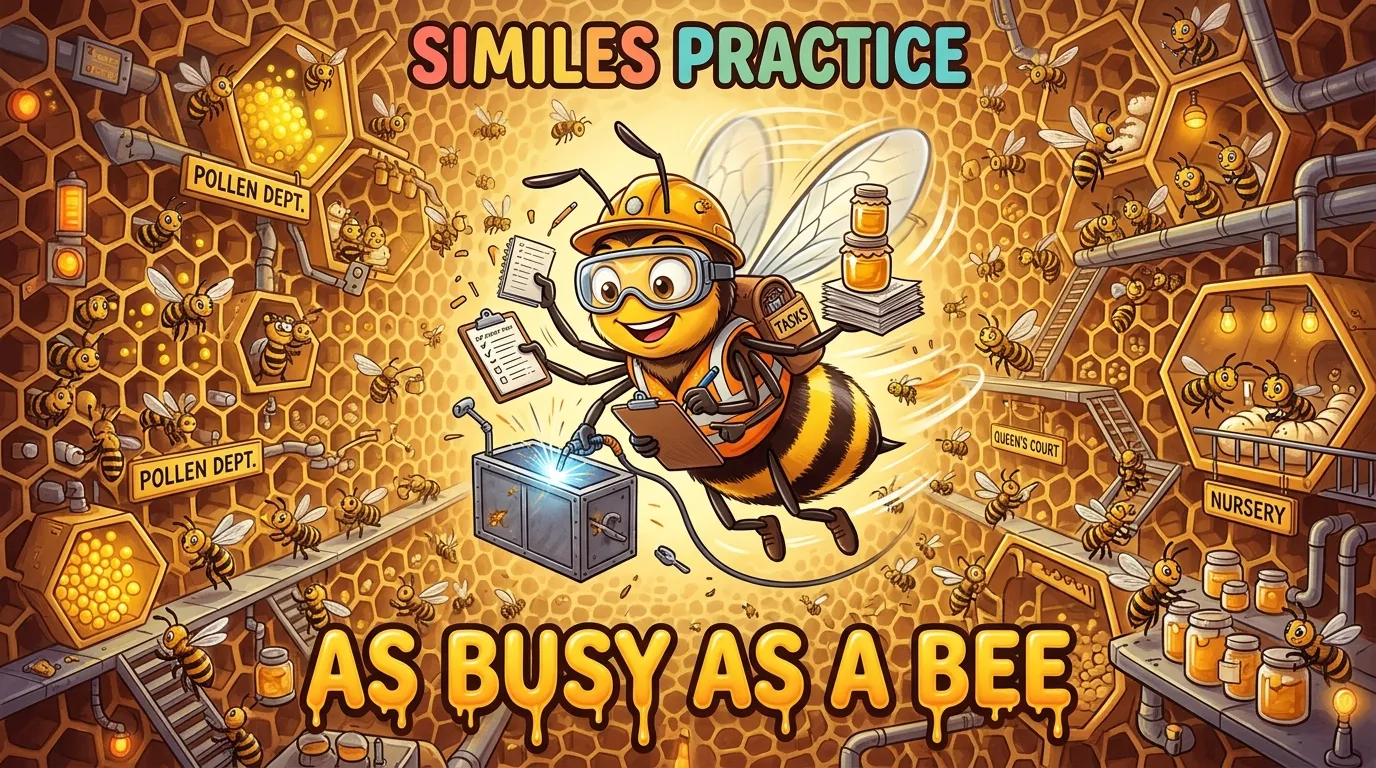
Similes are one of the most useful figures of speech for making writing more descriptive, engaging, and memorable. By comparing two different things using the words “like” or “as,” similes help readers create vivid mental images and better understand ideas, emotions, and experiences. While learning the definition of a simile is an important first step, the real improvement comes through consistent practice. That’s why similes practice activities are essential for students, teachers, writers, and English learners who want to strengthen their figurative language skills.
Whether you’re preparing for an English exam, teaching a classroom lesson, helping a child with homework, or improving your own creative writing, regular similes practice builds confidence and improves communication. It enhances vocabulary, develops stronger descriptive writing, and encourages creative thinking while making learning enjoyable. From simple sentence-building activities to advanced writing exercises, practicing similes helps learners apply figurative language naturally in everyday writing.
In this comprehensive guide, you’ll discover some of the best similes practice activities, understand what similes are, explore practical examples, and learn how to use them effectively in essays, stories, poems, speeches, and content writing.
What Is a Simile?
A simile is a figure of speech that compares two different things using the words “like” or “as.” Instead of giving a plain description, a simile creates a comparison that helps readers imagine ideas more clearly.
Similes make writing more expressive because they add imagery, emotion, and creativity to simple descriptions.
Simple Examples
- She was as brave as a lion.
- His smile was like sunshine after the rain.
These comparisons help readers visualize people, objects, and emotions more effectively.
74 Powerful Similes Practice Activities
1. Complete the Missing Simile
Meaning: Finish a common simile by filling in the missing word.
Definition: This activity helps learners remember frequently used similes and understand their meanings. It is one of the most popular similes practice exercises.
Usage Insight: Ideal for elementary students, ESL learners, classroom warm-ups, homework, and English revision. Suitable for formal and informal learning.
Examples:
- As busy as a bee.
- As light as a feather.
2. Match the Simile to Its Meaning
Meaning: Connect each simile with its correct definition.
Definition: This activity strengthens comprehension and vocabulary through meaningful associations.
Usage Insight: Great for worksheets, quizzes, and group activities.
Examples:
- As quiet as a mouse → Very silent.
- As brave as a lion → Very courageous.
3. Identify the Simile in a Sentence
Meaning: Find the figurative comparison.
Definition: Students learn to recognize similes in context by identifying words that use “like” or “as.”
Usage Insight: Excellent for reading comprehension and English assessments.
Examples:
- The baby slept like a log.
- Her eyes sparkled like stars.
4. Write Your Own Simile
Meaning: Create a new comparison.
Definition: Learners practice creativity by comparing two different things using “like” or “as.”
Usage Insight: Perfect for creative writing, essays, and classroom discussions.
Examples:
- The classroom was as lively as a carnival.
- His imagination spread like fireworks across the sky.
5. Choose the Best Simile
Meaning: Select the most appropriate comparison.
Definition: Students learn how to choose similes that naturally fit the sentence.
Usage Insight: Great for quizzes and grammar practice.
Examples:
- She carried the heavy box…
- a) As light as a feather
- b) As strong as an ox ✅
6. Rewrite the Sentence with a Simile
Meaning: Improve plain writing using figurative language.
Definition: This activity teaches students how to replace simple descriptions with vivid comparisons.
Usage Insight: Excellent for descriptive essays and storytelling.
Examples:
- Plain: The child was excited.
- Better: The child was as excited as a puppy seeing its owner.
7. Fill in the Blank
Meaning: Complete sentences using suitable similes.
Definition: Students strengthen sentence-building skills while practicing figurative language.
Usage Insight: Perfect for homework and literacy centers.
Examples:
- Her hands were as cold as ice.
- He ran as fast as lightning.
8. Correct the Simile
Meaning: Identify and fix incorrect comparisons.
Definition: Learners improve logical thinking by correcting awkward or inaccurate similes.
Usage Insight: Great for intermediate and advanced English learners.
Examples:
- As cold as fire ❌
- As cold as ice ✅
9. Write a Paragraph Using Similes
Meaning: Practice using multiple similes naturally.
Definition: Students write short paragraphs that include descriptive comparisons.
Usage Insight: Excellent for essays, creative writing, and exam preparation.
Examples:
- Write a paragraph using as brave as a lion, like a rainbow after the rain, and as quiet as a mouse.
- Keep the paragraph between 120 and 150 words.
10. Create a Simile Challenge
Meaning: Invent original similes.
Definition: Learners develop advanced writing skills by creating fresh comparisons instead of relying only on common expressions.
Usage Insight: Ideal for creative writing workshops, poetry, and advanced English classes.
Examples:
- Create a simile describing determination.
- Write an original simile about friendship or success.
How to Use These Similes Practice Activities Effectively
Regular similes practice helps learners use figurative language naturally in many different writing situations.
Essays
Use similes to explain ideas more clearly and make descriptions more engaging without overusing comparisons.
Stories
Creative comparisons make characters, settings, and emotions more realistic and memorable.
Poems
Poetry becomes richer when similes create vivid imagery and emotional depth.
Content Writing
Whether you’re writing educational blogs, study guides, language-learning resources, or classroom materials, examples of similes practice improve reader engagement while naturally strengthening SEO.
Classroom Activities
Teachers can use these activities for warm-ups, literacy stations, homework, quizzes, revision sessions, collaborative learning, and creative writing lessons.
Frequently Asked Questions
What is similes practice?
Similes practice includes activities that help learners recognize, understand, and create similes through exercises, quizzes, and writing tasks.
Why is similes practice important?
It improves descriptive writing, vocabulary, creativity, reading comprehension, and understanding of figurative language.
Who can benefit from similes practice?
Students, teachers, homeschool families, ESL learners, tutors, bloggers, and anyone looking to improve English writing skills.
What’s the difference between a simile and a metaphor?
A simile compares two things using “like” or “as,” while a metaphor compares them directly without using those words.
Is similes practice useful for classroom learning?
Yes. Regular practice strengthens figurative language skills, encourages creativity, improves writing quality, and helps students remember literary concepts more effectively.
Conclusion
Consistent similes practice is one of the most effective ways to become a stronger and more confident writer. By completing engaging activities such as matching exercises, sentence rewriting, paragraph writing, and original comparison challenges, learners develop a deeper understanding of figurative language while improving creativity and communication. These practice exercises not only expand vocabulary and strengthen reading comprehension but also teach writers how to use descriptive language naturally and effectively.
Whether you’re a student preparing for an English test, a teacher creating interactive classroom lessons, a parent supporting learning at home, or a content creator developing educational resources, the best similes practice activities provide valuable opportunities to improve writing skills. Continue practicing regularly, experiment with original comparisons, and apply similes thoughtfully in essays, stories, poems, speeches, and everyday communication. With time and practice, you’ll develop a more expressive writing style that captures readers’ attention and brings your ideas to life.

Chris Woak is a passionate language enthusiast and the creative voice behind Mitaphor.com. With a deep interest in similes, metaphors, and word meanings, Chris simplifies complex expressions into clear, engaging explanations that readers of all levels can understand. His work focuses on helping students, writers, and language lovers explore the power of figurative language and improve their communication skills.