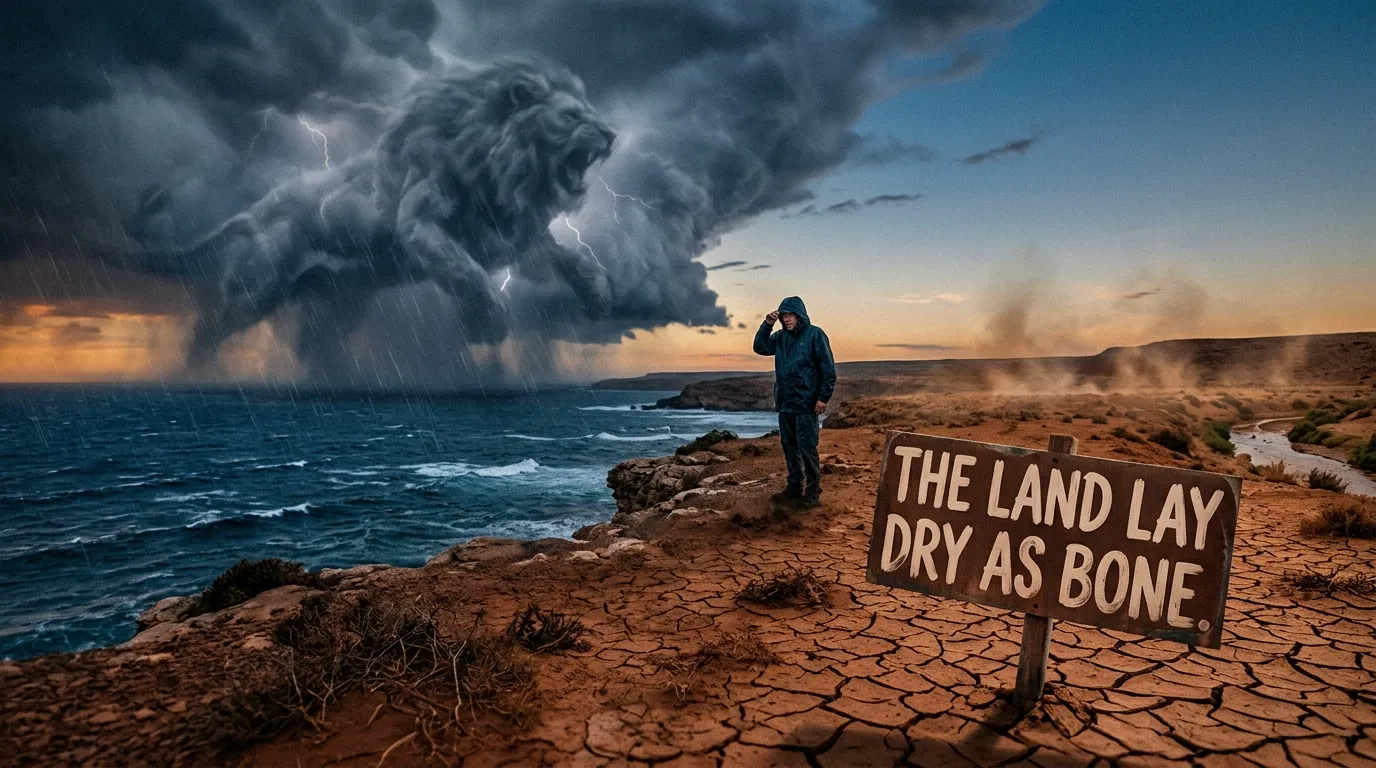
Climate influences every part of our world, from the changing seasons and dramatic storms to scorching deserts and icy landscapes. Whether you’re writing a school essay, a travel blog, a novel, a poem, or an environmental article, describing climate effectively helps readers experience the atmosphere rather than simply read about it. One of the best ways to achieve this is by using similes.
A well-crafted simile transforms ordinary climate descriptions into vivid imagery. Instead of saying the day was extremely hot, you can compare it to a blazing furnace. Rather than describing winter as cold, you can liken it to a frozen crystal. These comparisons make your writing more expressive, engaging, and emotionally powerful.
Whether you’re a student, blogger, content writer, journalist, or creative storyteller, learning to use powerful similes for climate description will strengthen your descriptive writing and captivate your audience.
In this guide, you’ll discover 25 powerful similes for climate description, each with a simple meaning, a detailed explanation, practical usage insights, and two natural examples. You’ll also learn how to use these similes effectively in essays, stories, poems, and content writing.
What Is a Simile?
A simile is a figure of speech that compares two different things using the words “like” or “as.” These comparisons make descriptions more vivid by connecting unfamiliar ideas to familiar images.
Similes help readers visualize scenes, understand emotions, and experience the atmosphere more clearly.
Simple Examples
- The sky was as blue as sapphire.
- The wind howled like a hungry wolf.
These comparisons make weather descriptions more memorable and engaging.
25 Powerful Similes for Climate Description
1. As hot as a blazing furnace
Meaning: Extremely hot.
Definition: Describes intense heat that feels almost unbearable.
Usage Insight: Perfect for describing deserts, heatwaves, summer afternoons, and tropical climates. Suitable for essays, stories, blogs, and travel writing.
Examples:
- The desert was as hot as a blazing furnace by midday.
- Walking across the open field felt as hot as a blazing furnace.
2. As cold as a frozen crystal
Meaning: Extremely cold.
Definition: Describes icy temperatures with a sharp, crisp feeling.
Usage Insight: Ideal for winter essays, mountain stories, and travel writing.
Examples:
- The morning air was as cold as a frozen crystal.
- The mountain wind felt as cold as a frozen crystal.
3. Like a blanket of warmth
Meaning: Comfortably warm.
Definition: Describes pleasant temperatures that gently surround everything.
Usage Insight: Great for spring and summer descriptions.
Examples:
- The afternoon sun settled like a blanket of warmth.
- The tropical breeze felt like a blanket of warmth.
4. Like an angry giant roaring
Meaning: Extremely loud and powerful.
Definition: Describes thunderstorms, hurricanes, or strong winds.
Usage Insight: Excellent for dramatic weather scenes.
Examples:
- The thunder sounded like an angry giant roaring.
- The storm approached like an angry giant roaring.
5. As gentle as a spring breeze
Meaning: Very soft and pleasant.
Definition: Describes calm weather that feels refreshing.
Usage Insight: Perfect for nature essays and poetry.
Examples:
- The wind was as gentle as a spring breeze.
- The evening air felt as gentle as a spring breeze.
6. Like fire dancing across the land
Meaning: Intensely hot.
Definition: Describes extreme summer heat or heatwaves.
Usage Insight: Suitable for climate and environmental writing.
Examples:
- The heat spread like fire dancing across the land.
- The afternoon sun burned like fire dancing across the land.
7. As unpredictable as lightning
Meaning: Impossible to predict.
Definition: Describes rapidly changing weather conditions.
Usage Insight: Excellent for climate discussions and storytelling.
Examples:
- The mountain weather was as unpredictable as lightning.
- Spring storms remained as unpredictable as lightning.
8. Like a curtain of rain
Meaning: Heavy rainfall.
Definition: Describes rain falling so densely that visibility decreases.
Usage Insight: Ideal for descriptive essays and travel writing.
Examples:
- The rain fell like a curtain of rain over the valley.
- We drove through like a curtain of rain for miles.
9. As calm as a clear morning
Meaning: Completely peaceful.
Definition: Describes stable weather with little wind.
Usage Insight: Great for reflective writing.
Examples:
- The lake remained as calm as a clear morning.
- The weather was as calm as a clear morning.
10. Like waves crashing against the shore
Meaning: Constantly powerful.
Definition: Describes strong winds or storms arriving repeatedly.
Usage Insight: Perfect for coastal weather descriptions.
Examples:
- The wind arrived like waves crashing against the shore.
- The storm struck like waves crashing against the shore.
11. As bright as the midday sun
Meaning: Extremely bright.
Definition: Describes clear, sunny skies.
Usage Insight: Excellent for summer essays and travel blogs.
Examples:
- The sky was as bright as the midday sun.
- The beach looked as bright as the midday sun.
12. Like silver threads falling from the sky
Meaning: Gentle rainfall.
Definition: Describes light rain with elegant imagery.
Usage Insight: Perfect for poetry and descriptive writing.
Examples:
- The drizzle fell like silver threads falling from the sky.
- Rain shimmered like silver threads falling from the sky.
13. As dry as an old bone
Meaning: Completely dry.
Definition: Describes droughts and arid climates.
Usage Insight: Ideal for environmental and climate essays.
Examples:
- The land became as dry as an old bone.
- The riverbed looked as dry as an old bone.
14. Like cotton floating across the sky
Meaning: Soft and fluffy.
Definition: Describes white clouds moving slowly.
Usage Insight: Great for children’s writing and nature essays.
Examples:
- The clouds drifted like cotton floating across the sky.
- The afternoon sky looked like cotton floating across the sky.
15. As wild as the open sea
Meaning: Extremely turbulent.
Definition: Describes severe storms and rough weather.
Usage Insight: Excellent for adventure stories.
Examples:
- The storm became as wild as the open sea.
- The wind was as wild as the open sea.
16. Like a whisper through the trees
Meaning: Quiet and gentle.
Definition: Describes soft breezes moving through forests.
Usage Insight: Perfect for peaceful nature writing.
Examples:
- The wind moved like a whisper through the trees.
- Evening breezes arrived like a whisper through the trees.
17. As white as fresh snow
Meaning: Pure white.
Definition: Describes snowy landscapes, clouds, or frost.
Usage Insight: Ideal for winter descriptions.
Examples:
- The hills were as white as fresh snow.
- The frost looked as white as fresh snow.
18. Like a roaring waterfall
Meaning: Loud and forceful.
Definition: Describes heavy rain or strong winds.
Usage Insight: Great for dramatic climate scenes.
Examples:
- Rain poured like a roaring waterfall.
- The storm echoed like a roaring waterfall.
19. As refreshing as cool rain
Meaning: Pleasantly cooling.
Definition: Describes relief after hot weather.
Usage Insight: Perfect for summer essays.
Examples:
- The breeze felt as refreshing as cool rain.
- Evening showers were as refreshing as cool rain.
20. Like smoke rising into the sky
Meaning: Slowly disappearing.
Definition: Describes fog, mist, or clouds fading away.
Usage Insight: Excellent for descriptive storytelling.
Examples:
- The morning mist vanished like smoke rising into the sky.
- Fog drifted away like smoke rising into the sky.
21. As fierce as a raging wildfire
Meaning: Extremely powerful.
Definition: Describes dangerous heat, winds, or storms.
Usage Insight: Suitable for climate and disaster writing.
Examples:
- The heat became as fierce as a raging wildfire.
- The winds were as fierce as a raging wildfire.
22. Like a mirror reflecting the heavens
Meaning: Perfectly clear.
Definition: Describes calm skies or still water reflecting the atmosphere.
Usage Insight: Great for scenic descriptions.
Examples:
- The lake looked like a mirror reflecting the heavens.
- The sky appeared like a mirror reflecting the heavens.
23. As restless as the wind
Meaning: Constantly changing.
Definition: Describes shifting weather patterns.
Usage Insight: Excellent for climate discussions.
Examples:
- The weather remained as restless as the wind.
- Autumn days became as restless as the wind.
24. Like a giant blanket covering the mountains
Meaning: Completely covering something.
Definition: Describes snow, fog, or clouds blanketing landscapes.
Usage Insight: Perfect for mountain travel writing.
Examples:
- Fog settled like a giant blanket covering the mountains.
- Snow spread like a giant blanket covering the mountains.
25. As hopeful as the first spring sunrise
Meaning: Symbolizing renewal and optimism.
Definition: Represents pleasant climate changes and new beginnings after harsh seasons.
Usage Insight: Ideal for essay conclusions, environmental writing, and inspirational stories.
Examples:
- The arrival of spring felt as hopeful as the first spring sunrise.
- Warmer days seemed as hopeful as the first spring sunrise.
How to Use These Similes Effectively in Different Types of Writing
Using similes for climate description helps transform ordinary weather reports into engaging and memorable writing.
In Essays
Use similes to describe seasons, weather patterns, and climate conditions more vividly while making your essays easier to visualize.
In Stories
Introduce similes during important scenes to create atmosphere, highlight emotions, and strengthen the setting.
In Poems
Climate similes add rhythm, symbolism, and sensory imagery, making poems more expressive and emotionally rich.
In Content Writing
Travel bloggers, environmental writers, journalists, and educators can use similes to explain climate topics in a way that captures readers’ attention and improves readability.
Best Practices
- Match each simile to the specific weather or climate you’re describing.
- Avoid overusing similes in a single paragraph.
- Combine similes with sensory details such as sound, temperature, color, and movement.
- Use original comparisons whenever possible to make your writing stand out.
- Ensure your similes enhance the message rather than distract from it.
Frequently Asked Questions
What are similes for climate description?
They are comparisons using “like” or “as” that help describe weather, seasons, temperatures, and climate conditions in a vivid and imaginative way.
Why are similes important in climate writing?
Similes make weather descriptions more engaging, helping readers visualize conditions and connect emotionally with the scene.
Can students use these similes in school essays?
Yes. These similes are suitable for descriptive essays, geography assignments, environmental reports, and creative writing.
Are these similes useful for travel blogs?
Absolutely. Travel writers often use climate similes to create immersive descriptions of destinations and seasonal experiences.
How can I create my own climate similes?
Observe weather carefully and compare its appearance, movement, sound, or feeling to familiar objects or experiences. Original comparisons often make your writing more memorable.
Conclusion
Using powerful similes for climate description is one of the most effective ways to bring weather, seasons, and environmental settings to life. Rather than simply stating that a day was hot, cold, windy, or rainy, similes allow readers to experience the atmosphere through vivid, relatable comparisons.
The 25 similes in this guide provide valuable inspiration for students, bloggers, teachers, journalists, and creative writers who want to make their climate writing more expressive and engaging. Use these comparisons naturally, adapt them to your own style, and experiment with creating original similes inspired by the changing world around you. When used thoughtfully, similes can turn ordinary climate descriptions into memorable and emotionally powerful writing.

James Williams is a dedicated language writer and contributor at Mitaphor.com, where he explores the art of similes, metaphors, and word meanings. With a passion for making language simple and engaging, James breaks down complex expressions into clear, easy-to-understand insights. His work is designed to help students, writers, and curious readers better understand figurative language and use it effectively in everyday communication.