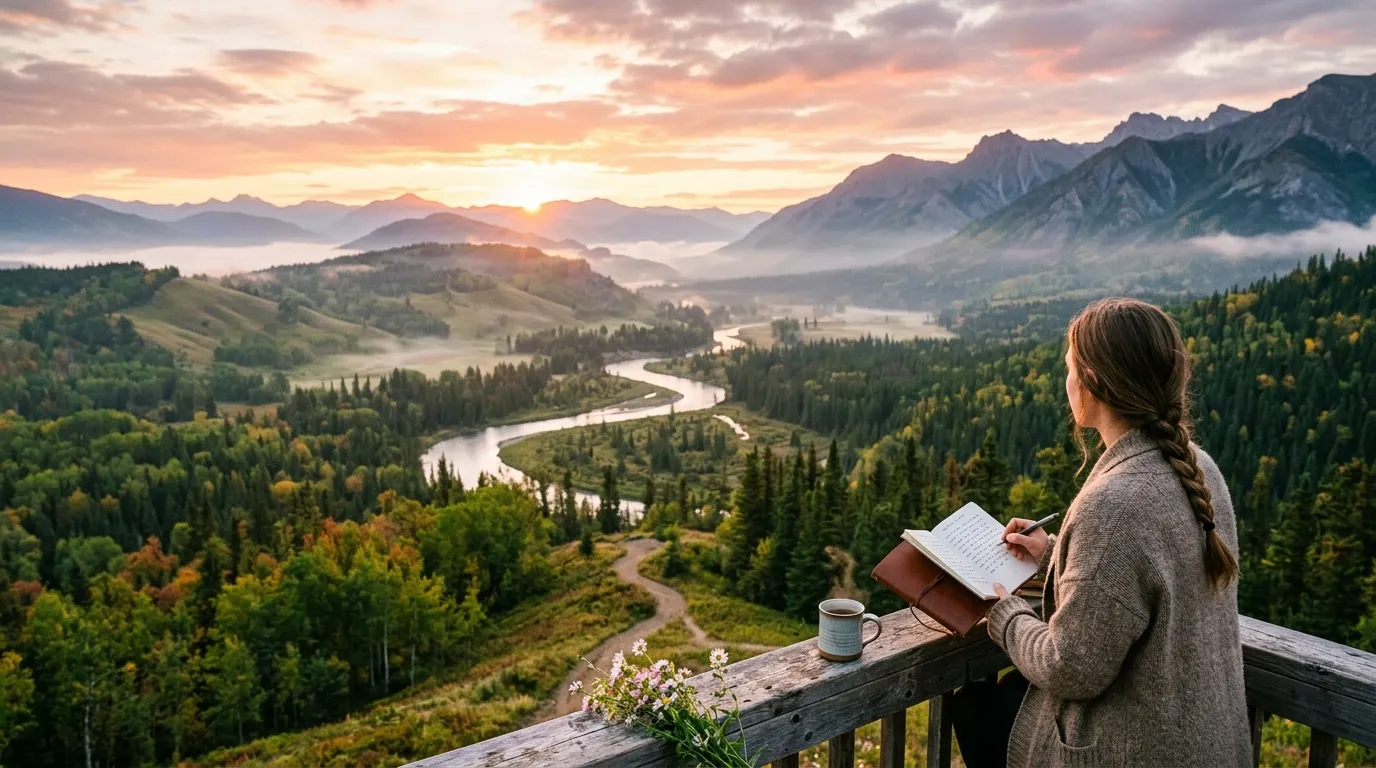
Nature has inspired writers, poets, and storytellers for centuries. From towering mountains and peaceful rivers to colorful flowers and golden sunsets, the natural world offers endless beauty worth describing. However, simply saying a forest is beautiful or a lake is calm often isn’t enough to capture the true magic of nature. That’s where similes become one of the most powerful tools in writing.
A well-crafted simile helps readers see, hear, and even feel the beauty of nature by comparing it to something familiar. Instead of writing that the stars were bright, you might say they sparkled like scattered diamonds. Such comparisons create vivid mental images and make your essays more engaging and memorable.
Whether you’re a student writing a descriptive essay, a blogger sharing outdoor adventures, a teacher helping students improve their writing, or a creative writer seeking inspiration, learning to use beautiful similes for nature essays can significantly enhance your work.
In this comprehensive guide, you’ll find 25 beautiful similes for nature essays, each with a simple meaning, a deeper explanation, practical usage insights, and realistic example sentences. You’ll also learn how to use these similes effectively in essays, stories, poems, and content writing.
What Is a Simile?
A simile is a figure of speech that compares two different things using the words “like” or “as.” Similes help readers understand ideas by connecting them with familiar images or experiences.
They make writing more descriptive, emotional, and enjoyable to read.
Simple Examples
- The lake shimmered like a mirror.
- The clouds floated as softly as cotton.
These comparisons paint clearer pictures than simple descriptions alone.
25 Beautiful Similes for Nature Essays
1. As calm as a still lake
Meaning: Completely peaceful.
Definition: Describes quiet places or peaceful moments in nature.
Usage Insight: Perfect for descriptive essays, reflective writing, travel blogs, and poetry. Suitable for formal, casual, and creative writing.
Examples:
- The valley was as calm as a still lake at sunrise.
- My mind became as calm as a still lake while sitting beside the river.
2. Like a painting come to life
Meaning: Extremely beautiful.
Definition: Describes landscapes so stunning they appear like works of art.
Usage Insight: Ideal for mountains, forests, lakes, and countryside scenes.
Examples:
- The autumn forest looked like a painting come to life.
- The snowy valley appeared like a painting come to life.
3. As golden as the morning sun
Meaning: Warm and radiant.
Definition: Describes fields, flowers, beaches, or sunlight glowing beautifully.
Usage Insight: Excellent for sunrise and countryside descriptions.
Examples:
- The wheat fields were as golden as the morning sun.
- The beach shimmered as golden as the morning sun.
4. Like a blanket covering the earth
Meaning: Spreading gently over everything.
Definition: Describes snow, fog, mist, or flowers covering a landscape.
Usage Insight: Great for seasonal essays.
Examples:
- The snow lay like a blanket covering the earth.
- Morning fog drifted like a blanket covering the earth.
5. As graceful as a swan
Meaning: Elegant and smooth.
Definition: Describes flowing rivers, gentle animals, or peaceful movement.
Usage Insight: Suitable for wildlife and water descriptions.
Examples:
- The river moved as graceful as a swan.
- The deer walked as graceful as a swan.
6. Like diamonds scattered across the sky
Meaning: Sparkling brilliantly.
Definition: Describes stars shining brightly at night.
Usage Insight: Perfect for nighttime nature essays.
Examples:
- The stars glittered like diamonds scattered across the sky.
- The clear night looked like diamonds scattered across the sky.
7. As fresh as the morning dew
Meaning: Clean and refreshing.
Definition: Describes cool air, flowers, or early mornings.
Usage Insight: Excellent for spring and garden writing.
Examples:
- The breeze felt as fresh as the morning dew.
- The flowers looked as fresh as the morning dew.
8. Like music carried by the wind
Meaning: Gentle and soothing.
Definition: Describes birdsong, rustling leaves, or flowing streams.
Usage Insight: Ideal for sensory descriptions.
Examples:
- The birds sang like music carried by the wind.
- The waterfall sounded like music carried by the wind.
9. As endless as the horizon
Meaning: Vast and limitless.
Definition: Describes oceans, deserts, grasslands, or open skies.
Usage Insight: Great for travel and descriptive essays.
Examples:
- The ocean stretched as endless as the horizon.
- The green plains seemed as endless as the horizon.
10. Like a mirror reflecting the sky
Meaning: Perfectly clear.
Definition: Describes lakes and calm rivers.
Usage Insight: Excellent for peaceful landscapes.
Examples:
- The lake rested like a mirror reflecting the sky.
- The pond appeared like a mirror reflecting the sky.
11. As colorful as a rainbow
Meaning: Filled with many beautiful colors.
Definition: Describes flowers, gardens, forests, or sunsets.
Usage Insight: Perfect for spring and floral descriptions.
Examples:
- The garden was as colorful as a rainbow.
- The hillside became as colorful as a rainbow.
12. Like whispers through the trees
Meaning: Soft and gentle.
Definition: Describes wind moving through forests.
Usage Insight: Great for poetic and reflective writing.
Examples:
- The breeze moved like whispers through the trees.
- The leaves rustled like whispers through the trees.
13. As majestic as a mountain peak
Meaning: Grand and impressive.
Definition: Describes towering landscapes or ancient trees.
Usage Insight: Ideal for mountain essays.
Examples:
- The cliffs stood as majestic as a mountain peak.
- The old oak looked as majestic as a mountain peak.
14. Like pearls resting on leaves
Meaning: Tiny and sparkling.
Definition: Describes morning dew drops.
Usage Insight: Excellent for detailed descriptive writing.
Examples:
- The dew shone like pearls resting on leaves.
- Tiny raindrops glittered like pearls resting on leaves.
15. As peaceful as a quiet forest
Meaning: Deeply relaxing.
Definition: Describes calm environments.
Usage Insight: Suitable for reflective essays.
Examples:
- The campsite felt as peaceful as a quiet forest.
- The valley remained as peaceful as a quiet forest.
16. Like a river of silver
Meaning: Bright and shimmering.
Definition: Describes rivers under sunlight or moonlight.
Usage Insight: Perfect for evening scenes.
Examples:
- The stream flowed like a river of silver.
- Moonlight turned the river like a river of silver.
17. As gentle as a butterfly’s wings
Meaning: Soft and delicate.
Definition: Describes breezes, petals, or light rain.
Usage Insight: Great for spring essays and poetry.
Examples:
- The breeze was as gentle as a butterfly’s wings.
- The petals fell as gentle as a butterfly’s wings.
18. Like emeralds spread across the hills
Meaning: Rich green and beautiful.
Definition: Describes lush fields, forests, and valleys.
Usage Insight: Excellent for countryside descriptions.
Examples:
- The fields looked like emeralds spread across the hills.
- The valley shimmered like emeralds spread across the hills.
19. As bright as the midday sun
Meaning: Extremely bright.
Definition: Describes sunlight, flowers, or cheerful landscapes.
Usage Insight: Perfect for summer essays.
Examples:
- The meadow was as bright as the midday sun.
- Sunflowers stood as bright as the midday sun.
20. Like waves dancing in the wind
Meaning: Moving gracefully.
Definition: Describes tall grass, crops, or flowers swaying.
Usage Insight: Ideal for countryside and farm descriptions.
Examples:
- The wheat moved like waves dancing in the wind.
- The tall grass swayed like waves dancing in the wind.
21. As pure as fresh snowfall
Meaning: Spotlessly clean.
Definition: Describes untouched landscapes and natural beauty.
Usage Insight: Great for winter essays.
Examples:
- The mountain air felt as pure as fresh snowfall.
- The valley remained as pure as fresh snowfall.
22. Like a song sung by the earth
Meaning: Naturally beautiful.
Definition: Describes the sounds of waterfalls, birds, and forests.
Usage Insight: Excellent for sensory writing.
Examples:
- The waterfall sounded like a song sung by the earth.
- The forest echoed like a song sung by the earth.
23. As vibrant as a blooming garden
Meaning: Full of life and color.
Definition: Describes flourishing landscapes and healthy ecosystems.
Usage Insight: Ideal for spring and environmental essays.
Examples:
- The park looked as vibrant as a blooming garden.
- The hillside became as vibrant as a blooming garden.
24. Like a jewel hidden in the wilderness
Meaning: Rare and precious.
Definition: Describes secluded lakes, waterfalls, or scenic spots.
Usage Insight: Perfect for travel essays and nature blogs.
Examples:
- The waterfall was like a jewel hidden in the wilderness.
- The lake remained like a jewel hidden in the wilderness.
25. As timeless as the changing seasons
Meaning: Endlessly enduring.
Definition: Describes nature’s constant cycles and lasting beauty.
Usage Insight: Excellent for concluding essays about nature.
Examples:
- Nature’s beauty is as timeless as the changing seasons.
- The forest remained as timeless as the changing seasons.
How to Use These Similes Effectively in Different Types of Writing
Using similes for nature essays can transform ordinary descriptions into vivid experiences that leave a lasting impression on readers.
In Essays
Use similes to describe landscapes, weather, plants, and wildlife with greater detail and emotion. They help readers visualize the scene and make descriptive essays more engaging.
In Stories
Introduce similes naturally when setting the scene or describing important moments. They can create atmosphere, highlight emotions, and strengthen your storytelling.
In Poems
Nature similes add rhythm, symbolism, and imagery. Comparing natural elements to familiar objects can make poems more expressive and memorable.
In Content Writing
Travel bloggers, environmental writers, and outdoor enthusiasts can use similes to make articles more captivating, encourage readers to explore nature, and improve readability.
Best Practices
- Match the simile to the mood of your writing.
- Use fresh, meaningful comparisons instead of relying on overused clichés.
- Avoid placing too many similes in one paragraph.
- Combine similes with sensory details such as sounds, colors, and textures.
- Let similes enhance your descriptions without overwhelming them.
Frequently Asked Questions
What are similes for nature essays?
They are comparisons using “like” or “as” that help describe natural scenery, wildlife, weather, and landscapes in a vivid and imaginative way.
Why should I use similes in nature writing?
Similes create stronger imagery, making your descriptions more engaging and helping readers picture the beauty of the natural world.
Are these similes suitable for school essays?
Yes. They work well in descriptive, narrative, and creative writing assignments, making essays more expressive and memorable.
Can bloggers and travel writers use these similes?
Absolutely. Nature bloggers, travel writers, and outdoor journalists often use similes to bring destinations and landscapes to life for their readers.
How can I create my own nature similes?
Observe nature closely and compare its colors, movements, sounds, or textures to familiar objects or experiences. Original comparisons often make your writing more unique and impactful.
Conclusion
Using beautiful similes for nature essays is one of the most effective ways to transform simple observations into vivid, unforgettable descriptions. Thoughtful comparisons allow readers to experience the peacefulness of a quiet forest, the brilliance of a star-filled sky, or the gentle movement of a flowing river as if they were there themselves.
The 25 similes in this guide offer practical inspiration for students, bloggers, poets, teachers, and creative writers who want to make their nature writing more expressive and engaging. Use them naturally, adapt them to fit your own voice, and experiment with creating original similes inspired by the beauty around you. With practice, your words can capture the wonder of nature and leave a lasting impression on every reader.

Chris Woak is a passionate language enthusiast and the creative voice behind Mitaphor.com. With a deep interest in similes, metaphors, and word meanings, Chris simplifies complex expressions into clear, engaging explanations that readers of all levels can understand. His work focuses on helping students, writers, and language lovers explore the power of figurative language and improve their communication skills.