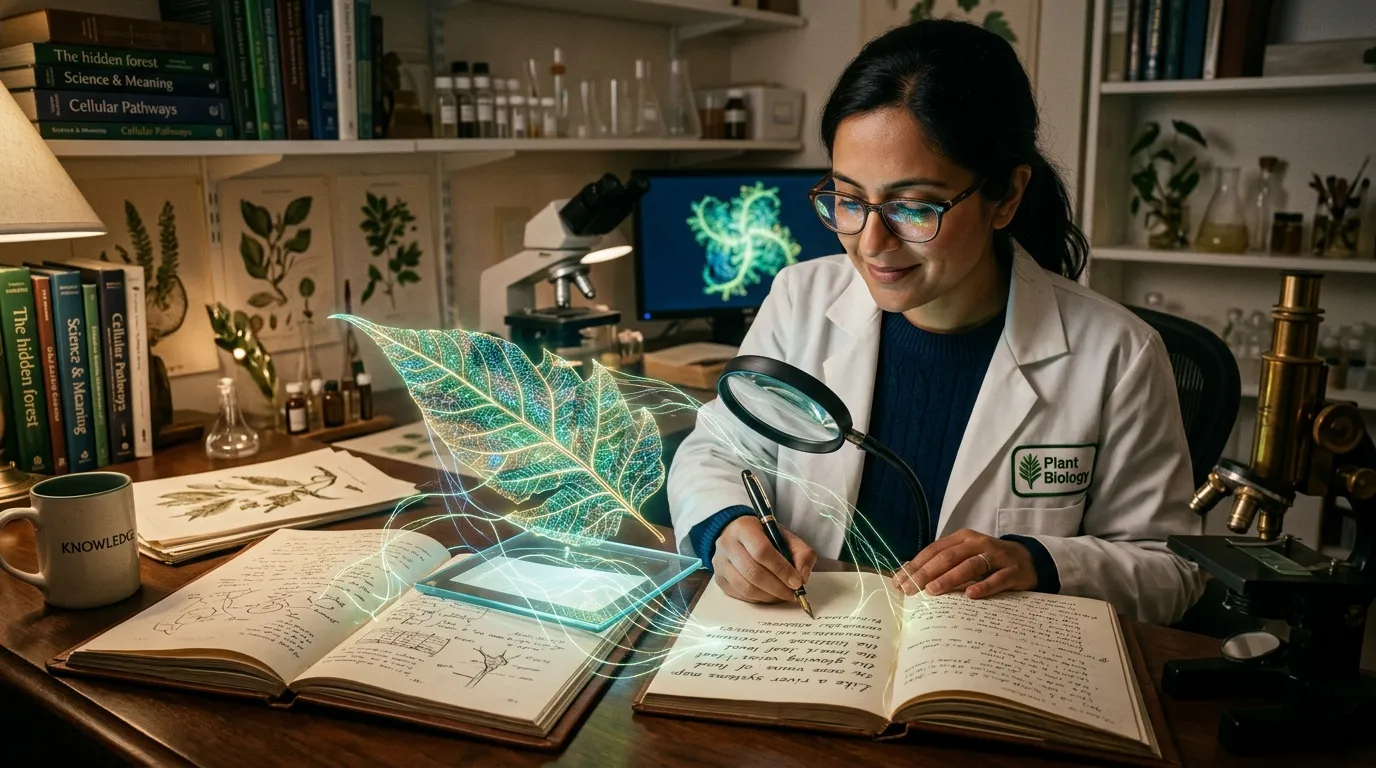
Science is the study of the natural world, from the tiniest atoms to the vastness of the universe. It helps us understand how living organisms function, why planets orbit stars, how energy moves, and what drives the countless processes that shape our everyday lives. While science is rooted in facts, evidence, and observation, effective science writing requires more than simply presenting data—it requires explaining complex ideas in ways that readers can easily understand and remember.
One of the most powerful literary devices for achieving this is the simile. A simile compares two unlike things using the words “like” or “as.” In science writing, similes can simplify difficult concepts, create vivid mental images, and make technical subjects more engaging without sacrificing clarity. Whether you’re writing a school essay, research summary, science blog, educational article, presentation, or classroom assignment, carefully chosen similes can help readers connect abstract scientific ideas with familiar experiences.
This comprehensive guide features 127 beautiful similes for science writing, complete with meanings, example sentences, practical applications, expert writing tips, and answers to frequently asked questions. These similes are suitable for students, teachers, educators, science communicators, bloggers, and anyone who wants to explain scientific ideas with creativity and precision.
What Is a Simile?
A simile is a figure of speech that compares two different things using “like” or “as.” It helps readers visualize unfamiliar concepts by relating them to everyday objects or experiences.
Example
“The DNA molecule twisted like a spiral staircase.”
This comparison makes the structure of DNA easier to imagine by connecting it to a familiar architectural shape.
Why Use Similes in Science Writing?
Science often deals with concepts that cannot be directly seen or easily imagined. Similes help bridge that gap by creating vivid and relatable comparisons.
Benefits of using similes in science writing include:
- Simplifying complex scientific ideas.
- Making educational content more engaging.
- Helping students remember difficult concepts.
- Improving descriptive explanations.
- Strengthening presentations and classroom discussions.
- Encouraging curiosity and interest in science.
- Enhancing essays, blogs, and research summaries.
127 Beautiful Similes for Science Writing
Similes About Space and Astronomy
1. Like stars scattered across a velvet sky
Meaning: Numerous bright objects spread across space.
Example: The distant galaxies appeared like stars scattered across a velvet sky.
2. As vast as the universe
Meaning: Extremely large or limitless.
Example: Human curiosity is as vast as the universe.
3. Like planets orbiting the sun
Meaning: Moving in a predictable pattern.
Example: Electrons moved like planets orbiting the sun in the early atomic model.
4. As bright as a supernova
Meaning: Exceptionally brilliant.
Example: The explosion shone as bright as a supernova.
5. Like a comet racing through the night
Meaning: Fast and striking.
Example: The meteor flashed like a comet racing through the night.
6. As endless as outer space
7. Like galaxies connected by invisible threads
8. As mysterious as a black hole
9. Like the moon reflecting sunlight
10. As magnificent as the Milky Way
Similes About Biology and Living Organisms
11. Like a tree spreading its branches
12. As busy as a colony of ants
13. Like bees working together in a hive
14. As delicate as a butterfly’s wings
15. Like roots searching for water
16. As adaptable as a chameleon
17. Like blood flowing through rivers
18. As organized as a honeycomb
19. Like flowers turning toward the sun
20. As resilient as bamboo
21. Like leaves capturing sunlight
22. As gentle as falling petals
23. Like seeds waiting to sprout
24. As balanced as a healthy ecosystem
25. Like coral building underwater cities
26. As colorful as a tropical rainforest
27. Like birds navigating invisible highways
28. As graceful as dolphins swimming through the ocean
29. Like vines climbing toward the light
30. As fascinating as metamorphosis
Similes About Chemistry
31. Like ingredients blending into a recipe
32. As reactive as baking soda with vinegar
33. Like magnets attracting each other
34. As smooth as flowing liquid
35. Like sparks igniting dry wood
36. As clear as distilled water
37. Like crystals growing slowly underground
38. As pure as laboratory glass
39. Like bubbles rising to the surface
40. As energetic as fireworks
Similes About Physics
41. Like dominoes falling in sequence
42. As fast as lightning
43. Like waves spreading across a pond
44. As powerful as a rocket launch
45. Like a pendulum swinging back and forth
46. As constant as gravity
47. Like gears turning inside a clock
48. As smooth as polished steel
49. Like electricity flowing through wires
50. As balanced as a perfectly designed bridge
Similes About Earth Science
51. Like rivers carving through mountains
52. As ancient as the rocks beneath our feet
53. Like volcanoes breathing fire
54. As calm as a still lake
55. Like glaciers shaping the land
56. As refreshing as spring rain
57. Like clouds floating across the sky
58. As powerful as an earthquake
59. Like waterfalls pouring from cliffs
60. As deep as the ocean floor
Similes About Scientific Discovery
61. Like opening a treasure chest of knowledge
62. As exciting as discovering a new planet
63. Like solving a giant puzzle
64. As rewarding as reaching the summit of a mountain
65. Like unlocking a hidden mystery
66. As inspiring as the first sunrise
67. Like connecting pieces of a puzzle
68. As valuable as gold
69. Like exploring an unknown island
70. As limitless as curiosity
Similes About Scientific Thinking
71. Like a detective searching for clues
72. As focused as a microscope
73. Like following a map through unknown territory
74. As careful as a surgeon
75. Like assembling a machine piece by piece
76. As logical as mathematics
77. Like climbing a staircase one step at a time
78. As reliable as the sunrise
79. Like building a bridge with precision
80. As organized as the periodic table
Similes Inspired by Nature
81. Like snowflakes forming unique patterns
82. As colorful as a rainbow
83. Like sunlight warming the Earth
84. As peaceful as a quiet forest
85. Like raindrops nourishing flowers
86. As vibrant as coral reefs
87. Like leaves dancing in the wind
88. As beautiful as the northern lights
89. Like birds soaring above mountains
90. As fresh as morning dew
More Beautiful Similes for Science Writing
91. Like the heartbeat of the planet
92. As timeless as the stars
93. Like nature writing its own story
94. As bright as polished glass
95. Like waves carrying energy
96. As steady as Earth’s rotation
97. Like sunlight passing through a prism
98. As brilliant as a diamond
99. Like the wind shaping sand dunes
100. As graceful as a falling leaf
101. Like neurons lighting up a network
102. As precise as a laser beam
103. Like DNA writing life’s blueprint
104. As intricate as a spider’s web
105. Like satellites circling the Earth
106. As transparent as clean glass
107. Like molecules dancing in the air
108. As silent as space
109. Like a compass pointing north
110. As reliable as natural laws
111. Like ice melting beneath the sun
112. As refreshing as cool mountain air
113. Like cells working together
114. As interconnected as a food web
115. Like photons racing through space
116. As elegant as a mathematical equation
117. Like ecosystems woven together
118. As enduring as mountain ranges
119. Like the ocean breathing with the tides
120. As fascinating as evolution
121. Like light illuminating darkness
122. As dynamic as changing weather
123. Like atoms forming endless possibilities
124. As remarkable as life’s diversity
125. Like discovery opening new doors
126. As inspiring as scientific curiosity
127. Like knowledge expanding beyond the horizon
Best Similes for Biology Essays
- Like bees working together in a hive
- Like roots searching for water
- Like DNA writing life’s blueprint
- Like cells working together
- Like coral building underwater cities
- Like leaves capturing sunlight
Best Similes for Physics Writing
- Like dominoes falling in sequence
- Like electricity flowing through wires
- Like waves spreading across a pond
- Like a pendulum swinging back and forth
- Like photons racing through space
- Like gears turning inside a clock
Best Similes for Chemistry Writing
- Like ingredients blending into a recipe
- Like crystals growing slowly underground
- Like molecules dancing in the air
- Like sparks igniting dry wood
- Like bubbles rising to the surface
- Like magnets attracting each other
Expert Tips for Using Similes in Science Writing
1. Keep Comparisons Scientifically Accurate
Use similes that clarify concepts without introducing misconceptions.
2. Choose Familiar Images
Compare complex scientific ideas to everyday objects or experiences your audience already understands.
3. Maintain Clarity
The purpose of a simile in science writing is to explain, not to confuse.
4. Avoid Overusing Similes
A few strong comparisons are usually more effective than filling every paragraph with figurative language.
5. Match the Audience
Use simple, accessible similes for younger students and more sophisticated comparisons for advanced readers.
Frequently Asked Questions
Why are similes useful in science writing?
They help readers visualize scientific ideas, simplify difficult concepts, and make educational content more memorable.
Can similes be used in research papers?
Yes, especially in introductions, educational explanations, and science communication, though formal research articles should use them sparingly.
What is a good simile for scientific discovery?
“Scientific discovery is like solving a giant puzzle” is an effective simile because it highlights curiosity, observation, and the gradual process of understanding.
Are these similes suitable for students?
Absolutely. They are ideal for school essays, classroom presentations, science projects, educational blogs, and learning activities.
Conclusion
Science helps us understand the world, but great science writing helps others understand it too. By using clear, meaningful similes, writers can transform difficult scientific concepts into vivid images that readers of all ages can easily grasp. Whether describing DNA as a spiral staircase, electrons as planets orbiting the sun, or ecosystems as finely woven webs, similes bridge the gap between technical knowledge and everyday understanding.
The 127 beautiful similes for science writing in this guide provide a versatile collection of comparisons suitable for biology, chemistry, physics, astronomy, Earth science, environmental studies, and general scientific communication. They can enrich essays, presentations, blogs, educational articles, and classroom assignments while making science more engaging, memorable, and enjoyable.
As you continue exploring the wonders of science, use these similes thoughtfully to spark curiosity, clarify complex ideas, and inspire readers to appreciate the beauty and logic of the natural world.

Chris Woak is a passionate language enthusiast and the creative voice behind Mitaphor.com. With a deep interest in similes, metaphors, and word meanings, Chris simplifies complex expressions into clear, engaging explanations that readers of all levels can understand. His work focuses on helping students, writers, and language lovers explore the power of figurative language and improve their communication skills.