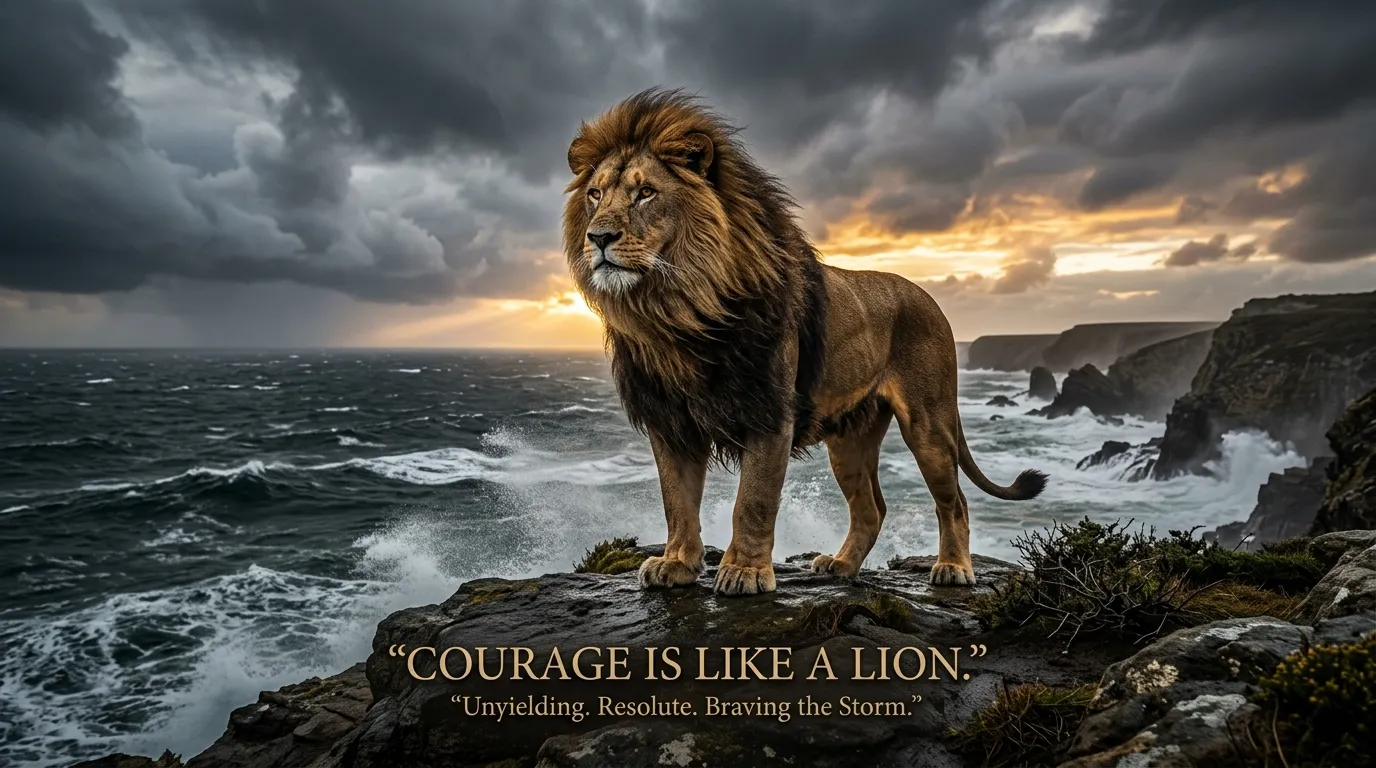
Courage is one of the most inspiring qualities a person can possess. It isn’t just about facing physical danger—it also means standing up for what’s right, overcoming fears, trying something new, and staying strong during life’s toughest moments. While courage is easy to admire, describing it in a vivid and meaningful way can be challenging. That’s where similes become an excellent writing tool. By comparing courage to familiar people, animals, objects, and natural forces, similes make your writing more expressive, memorable, and emotionally powerful.
Whether you’re a student writing an essay, a blogger creating motivational content, a poet expressing bravery, or a storyteller developing heroic characters, learning similes for courage can elevate your writing. These comparisons help readers picture bravery in action and connect more deeply with your message.
In this comprehensive guide, you’ll discover some of the best similes for courage, along with easy-to-understand meanings, detailed definitions, practical usage insights, and realistic examples. You’ll also learn how to use these similes effectively in essays, stories, poems, speeches, and online content.
What Is a Simile?
A simile is a figure of speech that compares two different things using the words “like” or “as.” Instead of simply describing an idea, a simile creates a vivid comparison that helps readers imagine it more clearly.
Similes add color, emotion, and creativity to writing, making descriptions more memorable and engaging.
Simple Examples
- He was as brave as a lion.
- Her smile was like sunshine after the rain.
These comparisons help readers visualize the qualities being described instead of just reading about them.
68 Powerful Similes for Courage
1. As brave as a lion
Meaning: Extremely courageous and fearless.
Definition: Lions symbolize strength, confidence, and bravery, making this one of the most recognized similes for courage.
Usage Insight: Perfect for essays, speeches, stories, and motivational blogs. Suitable for formal, casual, and inspirational writing.
Examples:
- The firefighter was as brave as a lion while rescuing the family.
- She stood before the audience as brave as a lion despite her nervousness.
2. Like a mountain standing against the storm
Meaning: Remaining strong during difficult times.
Definition: Mountains stay firm despite powerful storms, symbolizing resilience and unwavering courage.
Usage Insight: Excellent for inspirational essays, speeches, and storytelling.
Examples:
- He remained like a mountain standing against the storm during the crisis.
- Her determination never weakened, even under pressure.
3. As fearless as an eagle
Meaning: Bold and confident.
Definition: Eagles soar high without fear, representing confidence and courage.
Usage Insight: Great for descriptive writing and leadership articles.
Examples:
- The young pilot flew as fearless as an eagle.
- She pursued her dreams with the confidence of an eagle.
4. Like a warrior entering battle
Meaning: Ready to face challenges without hesitation.
Definition: Warriors represent determination, strength, and bravery.
Usage Insight: Ideal for motivational writing, speeches, and novels.
Examples:
- He approached the interview like a warrior entering battle.
- She defended her beliefs with fearless determination.
5. As steady as an oak tree
Meaning: Calm and courageous under pressure.
Definition: Oak trees remain standing through strong winds, symbolizing inner strength.
Usage Insight: Perfect for essays, stories, and reflective writing.
Examples:
- The captain remained as steady as an oak tree.
- Her confidence never wavered during the competition.
6. Like a lighthouse in a storm
Meaning: Providing hope and courage during difficult times.
Definition: A lighthouse guides ships safely through storms, symbolizing bravery and leadership.
Usage Insight: Excellent for inspirational speeches and personal development content.
Examples:
- The teacher became like a lighthouse during difficult times.
- His courage inspired everyone around him.
7. As bold as thunder
Meaning: Powerful and impossible to ignore.
Definition: Thunder commands attention, just as courageous actions often do.
Usage Insight: Great for dramatic stories and motivational articles.
Examples:
- Her voice was as bold as thunder.
- He announced his decision with unwavering confidence.
8. Like fire that never goes out
Meaning: Courage that remains strong.
Definition: A lasting flame symbolizes determination and resilience.
Usage Insight: Suitable for poems, speeches, and inspirational writing.
Examples:
- His courage burned like a fire that never faded.
- She kept fighting despite every obstacle.
9. As strong as steel
Meaning: Mentally and emotionally tough.
Definition: Steel represents strength, endurance, and reliability.
Usage Insight: Perfect for leadership essays and character descriptions.
Examples:
- Her determination was as strong as steel.
- The soldier showed courage beyond imagination.
10. Like the rising sun
Meaning: Bringing hope through courage.
Definition: The sunrise symbolizes new beginnings and fearless optimism.
Usage Insight: Excellent for inspirational blogs and speeches.
Examples:
- His bravery shined like the rising sun.
- She faced each day with renewed courage.
How to Use These Similes Effectively
Learning similes for courage is only the beginning. The real impact comes from using them naturally to strengthen your writing and create memorable descriptions.
Essays
Use similes to explain bravery, perseverance, and determination without repeating the word “courage.” Thoughtful comparisons make your arguments more persuasive and engaging.
Stories
Show your characters’ bravery through vivid imagery instead of simply telling readers they are courageous. This makes action scenes and emotional moments more believable.
Poems
Poetry relies on imagination and emotion. Similes help create striking images that express courage, hope, sacrifice, and resilience with greater depth.
Content Writing
Whether you’re writing motivational blogs, leadership articles, educational content, or self-improvement posts, examples of similes for courage make your writing more inspiring and relatable while improving readability.
Speeches and Personal Messages
Graduation speeches, award presentations, motivational talks, and letters of encouragement become more memorable when meaningful similes are used naturally and purposefully.
Frequently Asked Questions
What are similes for courage?
Similes for courage compare bravery to familiar people, animals, or objects using words like “like” or “as.” These comparisons make writing more vivid and emotionally engaging.
Why should writers use similes for courage?
They help readers visualize bravery, strengthen emotional impact, and make stories, essays, and speeches more memorable.
Can students use these similes in school assignments?
Yes. These common similes for courage are excellent for essays, speeches, creative writing projects, and classroom discussions.
What’s the difference between a simile and a metaphor?
A simile compares two things using “like” or “as,” while a metaphor makes a direct comparison without using those words.
Are similes for courage useful for bloggers?
Absolutely. Bloggers frequently use creative similes for courage in leadership, motivation, education, business, and personal development content to inspire readers and improve engagement.
Conclusion
Courage is more than facing danger—it is about standing firm during difficult moments, speaking the truth, embracing challenges, and believing in yourself even when the outcome is uncertain. Using carefully chosen similes for courage allows writers to express these powerful qualities with vivid imagery that readers can easily understand and remember. Rather than relying on simple descriptions, similes breathe life into your writing by transforming abstract ideas into clear, relatable comparisons.
Whether you’re creating an essay, writing a motivational article, composing a heartfelt speech, developing a fictional hero, or crafting an inspiring poem, the best similes for courage can make your words more impactful and emotionally compelling. Choose comparisons that match the tone of your writing, use them naturally, and don’t be afraid to create original similes inspired by your own experiences. With practice, your writing will become richer, more persuasive, and more memorable, leaving readers feeling inspired to face their own challenges with confidence and courage.

Chris Woak is a passionate language enthusiast and the creative voice behind Mitaphor.com. With a deep interest in similes, metaphors, and word meanings, Chris simplifies complex expressions into clear, engaging explanations that readers of all levels can understand. His work focuses on helping students, writers, and language lovers explore the power of figurative language and improve their communication skills.