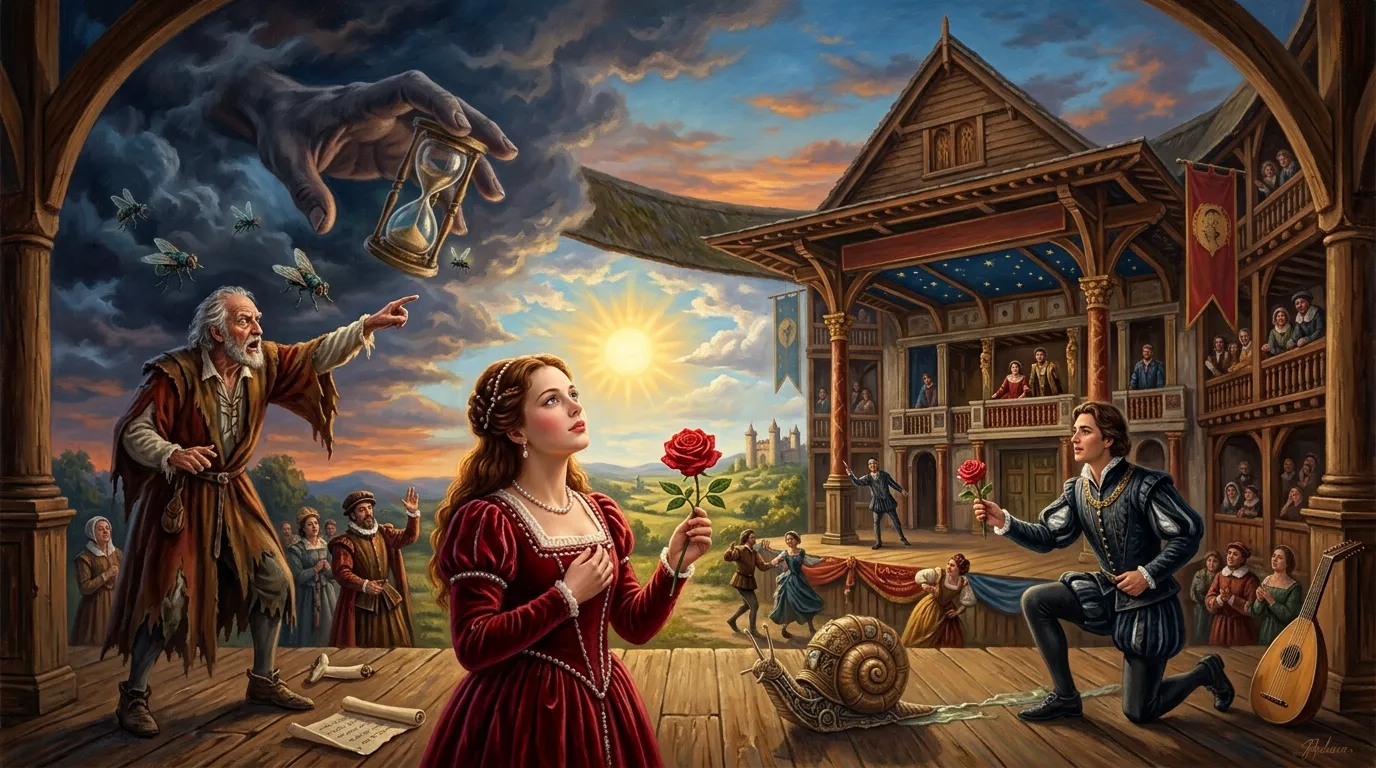
William Shakespeare is widely regarded as one of the greatest writers in the history of English literature. His plays and poems are filled with memorable language, vivid imagery, and timeless literary devices that continue to inspire readers and writers around the world. Among these devices, similes stand out for their ability to create striking comparisons using the words “like” or “as.” These comparisons help audiences visualize emotions, characters, and dramatic moments while adding beauty and depth to Shakespeare’s writing. Studying similes in Shakespeare not only improves literary understanding but also shows how figurative language can make storytelling more powerful and unforgettable.
Whether you’re a student analyzing Shakespeare for school, a teacher preparing literature lessons, an aspiring writer exploring classic techniques, or a blogger creating educational content, learning about similes in Shakespeare can deepen your appreciation for his works. Understanding how Shakespeare used similes also helps readers improve their own creative writing, literary analysis, and appreciation of figurative language.
In this comprehensive guide, you’ll discover some of the best similes in Shakespeare, learn what a simile is, explore famous examples from his works, understand their meanings, and find practical tips for using similes effectively in essays, literary analysis, stories, poems, and creative writing.
What Is a Simile?
A simile is a figure of speech that compares two different things using the words “like” or “as.” Instead of making a direct statement, a simile creates a comparison that helps readers better understand an idea, character, emotion, or scene.
Shakespeare frequently used similes to make his descriptions more vivid, emotional, and memorable.
Simple Examples
- She was as brave as a lion.
- His face shone like the morning sun.
These comparisons create strong imagery that helps readers imagine the scene more clearly.
64 Powerful Similes in Shakespeare
1. “Like as the waves make towards the pebbled shore…”
Meaning: Life moves steadily toward its inevitable end.
Definition: In Sonnet 60, Shakespeare compares the passing of time to waves continually moving toward the shore, emphasizing that time never stops.
Usage Insight: Best used in literary analysis, essays, discussions about time, and reflective writing. Suitable for formal academic writing and poetry.
Examples:
- Shakespeare compares passing moments to relentless ocean waves.
- The simile reminds readers that every moment leads to the next.
2. “As flies to wanton boys are we to the gods.”
Meaning: Humans are powerless before fate.
Definition: In King Lear, Shakespeare compares people to flies that are easily harmed by careless children, highlighting human vulnerability.
Usage Insight: Excellent for literary essays discussing fate, tragedy, or human suffering.
Examples:
- The simile emphasizes the unpredictability of destiny.
- It reflects the tragic worldview found throughout King Lear.
3. “Like the toad, ugly and venomous…”
Meaning: Something unpleasant may still contain value.
Definition: In As You Like It, Shakespeare compares difficult experiences to a toad, suggesting that even harsh situations can offer wisdom.
Usage Insight: Perfect for essays about character growth and life’s challenges.
Examples:
- The comparison encourages readers to look beyond appearances.
- Difficult experiences often teach valuable lessons.
4. “As white as driven snow.”
Meaning: Pure, innocent, or completely white.
Definition: Shakespeare uses this familiar comparison to describe innocence or physical appearance.
Usage Insight: Great for literary analysis and descriptive writing.
Examples:
- The character’s innocence is emphasized through this simile.
- The snowy image creates a vivid visual impression.
5. “Like a rich jewel in an Ethiope’s ear.”
Meaning: Something beautiful that stands out dramatically.
Definition: In Romeo and Juliet, Romeo compares Juliet’s beauty to a brilliant jewel that immediately catches the eye.
Usage Insight: Useful for analyzing imagery, romance, and poetic language.
Examples:
- Romeo uses the simile to express Juliet’s extraordinary beauty.
- The comparison highlights how unique she appears to him.
6. “Like patience on a monument.”
Meaning: Calm endurance during suffering.
Definition: In Twelfth Night, Shakespeare compares patience to a statue standing silently despite hardship.
Usage Insight: Excellent for essays about resilience, emotion, and symbolism.
Examples:
- The simile illustrates quiet emotional strength.
- It creates a memorable image of silent endurance.
7. “Like a wolf that makes his prey.”
Meaning: Aggressive determination.
Definition: Shakespeare compares a determined character to a hunting wolf to emphasize intensity and focus.
Usage Insight: Ideal for discussing conflict and character motivation.
Examples:
- The comparison reveals the character’s fierce ambition.
- Readers immediately sense the danger.
8. “As swift as thought.”
Meaning: Extremely fast.
Definition: Shakespeare frequently uses this comparison to describe speed, imagination, or sudden decisions.
Usage Insight: Perfect for literary essays and descriptive writing.
Examples:
- His decision came as swift as thought.
- The phrase captures immediate action.
9. “Like bright metal on a sullen ground.”
Meaning: Something beautiful shining against a dull background.
Definition: In Romeo and Juliet, Shakespeare contrasts brightness with darkness to emphasize beauty.
Usage Insight: Great for studying imagery and contrast.
Examples:
- Juliet’s appearance transforms the scene.
- The comparison creates unforgettable visual imagery.
10. “As glorious to this night.”
Meaning: Exceptionally beautiful and radiant.
Definition: Shakespeare compares beauty to light shining in darkness, making the image unforgettable.
Usage Insight: Ideal for poetry analysis and discussions of romantic imagery.
Examples:
- The simile emphasizes hope in difficult times.
- Light becomes a symbol of love and admiration.
How to Use These Similes Effectively
Studying similes in Shakespeare helps readers understand how figurative language creates powerful imagery and emotional impact.
Essays
Use Shakespeare’s similes to support literary arguments and explain how imagery contributes to themes, mood, and characterization.
Stories
Modern writers can draw inspiration from Shakespeare by creating original similes that evoke strong visual images without copying his style directly.
Poems
Shakespeare’s poetic comparisons demonstrate how similes can express love, beauty, time, conflict, and hope through memorable imagery.
Content Writing
Whether you’re creating educational blogs, literature guides, Shakespeare study notes, or classroom resources, similes in Shakespeare naturally improve reader engagement while strengthening SEO.
Literary Analysis
Analyze why Shakespeare chose a specific comparison, how it affects readers, and how it contributes to the play’s overall message or emotional tone.
Frequently Asked Questions
What are similes in Shakespeare?
Similes in Shakespeare are comparisons using “like” or “as” that create vivid imagery and help readers understand characters, emotions, themes, and dramatic situations.
Why did Shakespeare use similes?
Shakespeare used similes to make his writing more expressive, memorable, emotional, and visually engaging for both readers and theater audiences.
What’s the difference between a simile and a metaphor?
A simile compares two things using “like” or “as,” while a metaphor makes a direct comparison without those words.
Which Shakespeare works contain famous similes?
Many of Shakespeare’s plays and poems include memorable similes, including Romeo and Juliet, King Lear, Twelfth Night, As You Like It, and the Sonnets.
How can students analyze similes in Shakespeare?
Students should identify the comparison, explain its literal and figurative meanings, consider why Shakespeare used it, and discuss how it develops character, mood, imagery, or theme.
Conclusion
Exploring similes in Shakespeare offers valuable insight into the genius of one of history’s greatest writers. His comparisons transform ordinary descriptions into vivid, emotionally rich images that continue to captivate readers centuries after they were written. By using similes to explore themes such as love, beauty, time, fate, courage, and human nature, Shakespeare demonstrated how figurative language can deepen meaning and strengthen storytelling.
Whether you’re a student preparing for literature exams, a teacher leading classroom discussions, an aspiring writer seeking inspiration, or a content creator developing educational resources, studying the best similes in Shakespeare will strengthen your understanding of literary techniques and improve your own writing. Read Shakespeare’s plays and sonnets closely, identify the similes he uses, and consider how each comparison enhances the text. With regular practice and thoughtful analysis, you’ll gain a greater appreciation for classic literature while developing stronger analytical and creative writing skills.

James Williams is a dedicated language writer and contributor at Mitaphor.com, where he explores the art of similes, metaphors, and word meanings. With a passion for making language simple and engaging, James breaks down complex expressions into clear, easy-to-understand insights. His work is designed to help students, writers, and curious readers better understand figurative language and use it effectively in everyday communication.