Simile examples for students are a great way to make figurative language easier to understand and use. A simile compares two unlike things using words such as “like” or “as.” These comparisons help students create vivid mental pictures and make their writing more interesting.
Learning similes can improve students’ creative writing, reading comprehension, vocabulary, and communication skills. From simple classroom examples to creative comparisons for stories and poems, students can use similes to describe people, animals, emotions, nature, school life, and everyday experiences.
This guide includes 47 simile examples for students, along with explanations, categories, writing tips, and simple activities to make learning figurative language fun.
What Is a Simile?
A simile is a figure of speech that compares two different things using “like” or “as.”
For example:
The baby was as quiet as a mouse.
The baby is not literally a mouse. The comparison shows that the baby was very quiet.
Another example is:
She ran like the wind.
This means she ran very quickly.
47 Simile Examples for Students
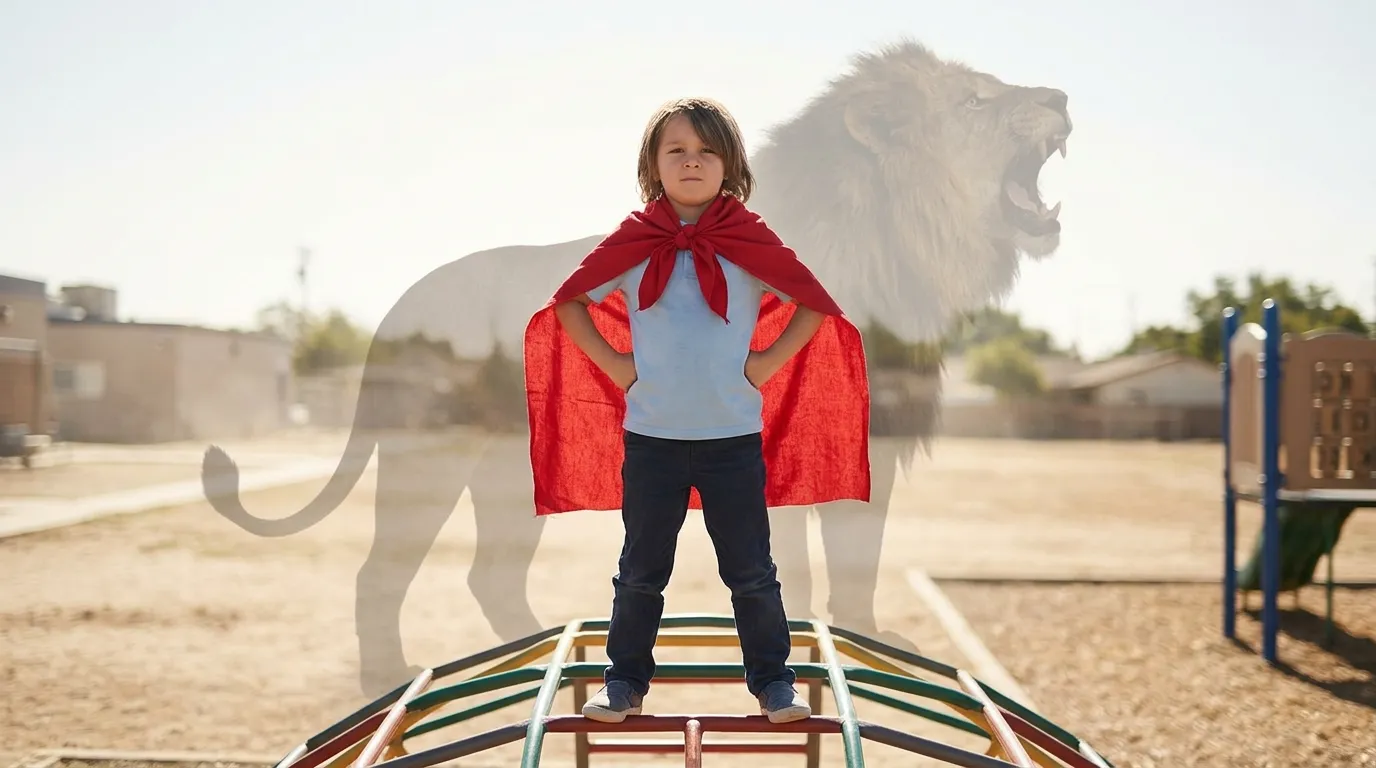
1. As brave as a lion.
Meaning: Very brave and courageous.
2. As busy as a bee.
Meaning: Very busy and active.
3. As quiet as a mouse.
Meaning: Extremely quiet.
4. As light as a feather.
Meaning: Very light in weight.
5. As cold as ice.
Meaning: Extremely cold.
6. As bright as the sun.
Meaning: Very bright.
7. As soft as a cloud.
Meaning: Extremely soft.
8. As fast as lightning.
Meaning: Very fast.
9. As strong as an ox.
Meaning: Very strong.
10. As white as snow.
Meaning: Very white.
11. She sings like a bird.
Meaning: She sings beautifully.
12. He runs like the wind.
Meaning: He runs very quickly.
13. The stars sparkle like diamonds.
Meaning: The stars look bright and beautiful.
14. The water was as smooth as glass.
Meaning: The water was extremely calm and smooth.
15. The classroom was as busy as a beehive.
Meaning: Many students were active and working.
16. Her smile was like sunshine.
Meaning: Her smile was warm and cheerful.
17. The baby slept like a log.
Meaning: The baby slept very deeply.
18. The boy was as hungry as a wolf.
Meaning: He was extremely hungry.
19. The leaves danced like tiny butterflies.
Meaning: The leaves moved gently and beautifully.
20. His voice was as gentle as a breeze.
Meaning: His voice was soft and calming.
21. The thunder sounded like a giant drum.
Meaning: The thunder was very loud.
22. The children ran like excited rabbits.
Meaning: The children ran quickly and energetically.
23. Her eyes sparkled like stars.
Meaning: Her eyes looked bright and beautiful.
24. The pillow was as soft as cotton.
Meaning: The pillow was very soft.
25. The old man was as wise as an owl.
Meaning: He was very wise.
26. The test was as easy as pie.
Meaning: The test was very easy.
27. The road was as straight as an arrow.
Meaning: The road was very straight.
28. He was as proud as a peacock.
Meaning: He felt very proud.
29. The girl was as cheerful as a rainbow.
Meaning: She was very happy and positive.
30. The snow fell like feathers.
Meaning: The snow fell softly and gently.
31. The athlete moved like a rocket.
Meaning: The athlete moved extremely quickly.
32. The puppy was as playful as a kitten.
Meaning: The puppy was very playful.
33. The moon looked like a silver coin.
Meaning: The moon appeared round and shiny.
34. The wind howled like a wolf.
Meaning: The wind made a loud, eerie sound.
35. The lake was as calm as a sleeping baby.
Meaning: The lake was extremely peaceful.
36. His hands were as cold as snow.
Meaning: His hands were very cold.
37. She was as happy as a child on vacation.
Meaning: She was extremely happy.
38. The teacher’s explanation was as clear as glass.
Meaning: The explanation was very easy to understand.
39. The boy jumped like a kangaroo.
Meaning: He jumped energetically and repeatedly.
40. The sun shone like a golden lamp.
Meaning: The sun was bright and glowing.
41. The students worked like a team of ants.
Meaning: The students worked together actively.
42. His backpack was as heavy as a rock.
Meaning: His backpack felt very heavy.
43. The girl was as graceful as a swan.
Meaning: She moved elegantly.
44. The classroom became quiet like a library.
Meaning: The classroom became very quiet.
45. His laughter was like a burst of sunshine.
Meaning: His laughter was cheerful and uplifting.
46. The runner was as quick as a cheetah.
Meaning: The runner was extremely fast.
47. The student’s ideas were as bright as stars.
Meaning: The student’s ideas were clever and impressive.
Similes for School Writing
Students can use similes to make essays and stories more descriptive.
Instead of writing:
The storm was loud.
Try:
The storm was as loud as a roaring drum.
Instead of:
The girl was nervous.
Try:
The girl was as nervous as a bird trapped in a room.
Instead of:
The garden was beautiful.
Try:
The garden looked like a colorful painting.
Similes for Students to Complete
These sentence starters are useful for classroom practice:
- As quiet as ________.
- As bright as ________.
- As fast as ________.
- As soft as ________.
- As cold as ________.
- As strong as ________.
- As happy as ________.
- As brave as ________.
- She danced like ________.
- He ran like ________.
Students can create their own endings and explain the quality being compared.
How to Teach Students to Create Similes
A simple three-step method can help students create original comparisons.
Step 1: Choose a Quality
Pick something you want to describe.
Example: Fast.
Step 2: Think of Something Fast
Possible comparisons include:
- Cheetah
- Lightning
- Rocket
- Race car
Step 3: Create the Simile
The runner was as fast as a cheetah.
Students can then make the comparison more creative:
The runner moved like lightning across the track.
Simile vs. Metaphor for Students
Students often confuse similes with metaphors.
A simile uses “like” or “as.”
The clouds were like cotton.
A metaphor makes a direct comparison.
The clouds were cotton.
Both create imagery, but their structures are different.
Fun Simile Activities for Students
Simile Matching Game
Give students two sets of cards. One set contains qualities and the other contains possible comparisons. Students match them and create complete similes.
Picture Prompt Activity
Show students a picture of a forest, animal, person, or landscape. Ask them to write three similes describing what they see.
Simile Challenge
Give students one word, such as “happy,” and challenge them to create five different similes.
Simile Hunt
Ask students to find similes in books, poems, songs, or classroom materials and explain what each comparison means.
Common Mistakes Students Make
- Forgetting to use “like” or “as.”
- Confusing similes with metaphors.
- Making comparisons that have no clear connection.
- Taking figurative expressions literally.
- Using the same common similes repeatedly.
- Making comparisons too complicated.
Tips for Writing Better Similes
Encourage students to:
- Think creatively.
- Use familiar images.
- Choose comparisons that make sense.
- Avoid unnecessary words.
- Use specific and interesting details.
- Explain what the comparison means.
- Experiment with original ideas.
Frequently Asked Questions
What is a simple example of a simile for students?
“She is as busy as a bee.” It compares a person’s activity level to a busy bee.
What are some easy similes for children?
Examples include “as soft as a cloud,” “as fast as a cheetah,” “as quiet as a mouse,” and “shines like the sun.”
Why should students learn similes?
Similes help students develop creative writing, vocabulary, reading comprehension, and descriptive language skills.
How can students practice similes?
Students can complete sentence starters, create picture descriptions, play matching games, find similes in books, and write short stories containing their own comparisons.
What words do similes use?
The most common comparison words are “like” and “as.”
Conclusion
These 47 simile examples for students provide an easy starting point for learning figurative language. Similes help students compare unlike things in creative ways, making their writing more vivid, descriptive, and memorable.
By practicing simple “like” and “as” comparisons, students can gradually develop their own original similes. Whether they are writing an essay, poem, story, or classroom assignment, using effective similes can help transform ordinary sentences into colorful and engaging descriptions.

James Williams is a dedicated language writer and contributor at Mitaphor.com, where he explores the art of similes, metaphors, and word meanings. With a passion for making language simple and engaging, James breaks down complex expressions into clear, easy-to-understand insights. His work is designed to help students, writers, and curious readers better understand figurative language and use it effectively in everyday communication.