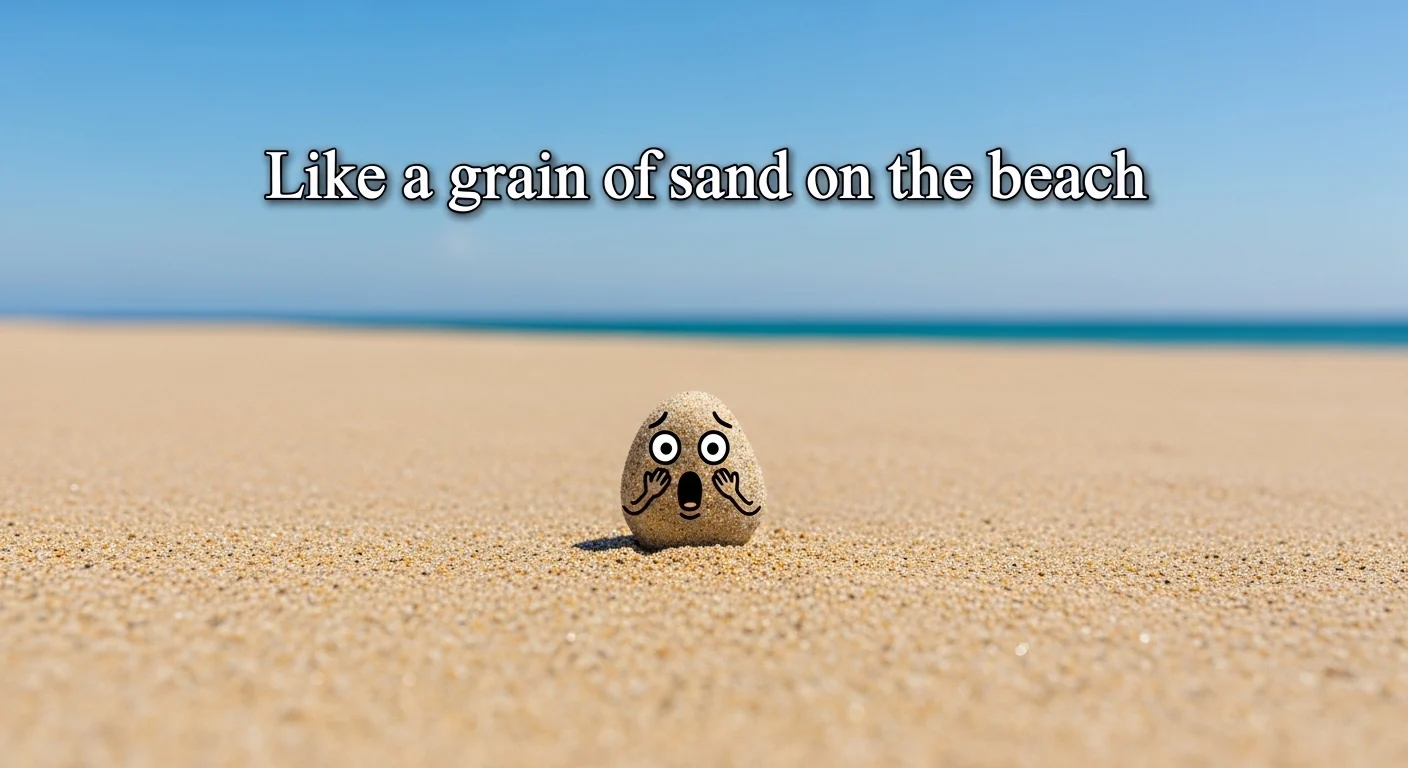
Sand may seem like a simple, ordinary element, but in writing, it can symbolize time, fragility, vastness, or even mystery. The challenge for many writers is moving beyond plain descriptions and capturing the feeling of sand—its texture, movement, and meaning.
This is where similes become powerful. A simile compares one thing to another using “like” or “as,” helping readers instantly visualize what you’re describing. When used effectively, similes for sand can transform basic sentences into vivid imagery that resonates with readers.
In this article, you’ll discover 8 powerful similes for sand, each explained with clear meanings, deeper insights, usage guidance, and natural examples. These will help writers, students, and bloggers bring their descriptions to life.
What Is a Simile? (Definition + Examples)
A simile is a figure of speech that compares two different things using the words “like” or “as.” It enhances writing by making descriptions more relatable and expressive.
Examples:
- As soft as silk → very smooth
- Like grains of sugar → small and fine
Similes are especially useful when describing textures and natural elements like sand.
8 Powerful Similes for Sand
1. As fine as powdered sugar
- Meaning: Extremely soft and smooth sand
- Deeper Insight: Highlights delicacy and light texture
- Usage Insight: Ideal for descriptive and travel writing, especially beaches
- Examples:
- The beach sand was as fine as powdered sugar beneath our feet.
- It slipped through her fingers as fine as powdered sugar.
2. Like grains of gold
- Meaning: Shiny, valuable-looking sand
- Deeper Insight: Suggests beauty and richness
- Usage Insight: Poetic and descriptive writing
- Examples:
- The desert shimmered like grains of gold in the sunlight.
- The shore sparkled like grains of gold at sunset.
3. As hot as burning coals
- Meaning: Extremely hot sand
- Deeper Insight: Emphasizes discomfort and intensity
- Usage Insight: Narrative or travel writing
- Examples:
- The sand felt as hot as burning coals at noon.
- He jumped quickly, as the ground was like burning coals.
4. Like an endless sea
- Meaning: Vast and never-ending sand
- Deeper Insight: Represents infinity and isolation
- Usage Insight: Deserts, storytelling, poetic writing
- Examples:
- The desert stretched like an endless sea.
- Sand dunes rolled out like waves in an endless sea.
5. As soft as flour
- Meaning: Smooth and light texture
- Deeper Insight: Gentle and delicate feeling
- Usage Insight: Casual or descriptive writing
- Examples:
- The sand was as soft as flour under her feet.
- It felt as soft as flour between his toes.
6. Like a shifting blanket
- Meaning: Constantly moving sand
- Deeper Insight: Suggests instability and motion
- Usage Insight: Deserts or windy environments
- Examples:
- The sand moved like a shifting blanket in the wind.
- Dunes rolled like a blanket being pulled.
7. As rough as crushed glass
- Meaning: Coarse or sharp sand
- Deeper Insight: Highlights discomfort and harshness
- Usage Insight: Realistic or contrast descriptions
- Examples:
- The ground felt as rough as crushed glass.
- This beach had sand as rough as crushed glass.
8. Like time slipping through fingers
- Meaning: Sand falling quickly
- Deeper Insight: Symbolizes passing time and loss
- Usage Insight: Reflective or poetic writing
- Examples:
- The sand slipped like time through his fingers.
- Moments passed like sand slipping away.
How to Use Similes for Sand Effectively
Using similes for sand can significantly enhance your writing when used thoughtfully:
- Essays: Add clarity when describing natural elements
- Stories: Create vivid settings and immersive scenes
- Poetry: Symbolize time, change, and beauty
- Content Writing: Make descriptions more engaging and memorable
Tip: Match the simile to your purpose—use softer similes for calm scenes and harsher ones for intense environments.
Frequently Asked Questions (FAQ)
1. Why use similes for sand in writing?
They help describe texture, movement, and meaning in a more vivid and relatable way.
2. Are similes useful in descriptive essays?
Yes, they make descriptions clearer and more engaging for readers.
3. Can sand symbolize emotions in similes?
Absolutely, it often represents time, fragility, or change.
4. How many similes should I use in one paragraph?
Use them sparingly—focus on quality rather than quantity.
5. Are these similes suitable for students?
Yes, they are simple, effective, and appropriate for academic and creative writing.
Conclusion
Sand may appear simple, but with the right similes, it can become a powerful element in your writing. These 8 powerful similes for sand allow you to describe texture, movement, and symbolism with clarity and creativity.
Whether you’re writing a story, poem, or article, using well-chosen similes can transform ordinary descriptions into vivid, memorable imagery. Start incorporating these comparisons into your work and bring your writing to life.

Chris Woak is a passionate language enthusiast and the creative voice behind Mitaphor.com. With a deep interest in similes, metaphors, and word meanings, Chris simplifies complex expressions into clear, engaging explanations that readers of all levels can understand. His work focuses on helping students, writers, and language lovers explore the power of figurative language and improve their communication skills.