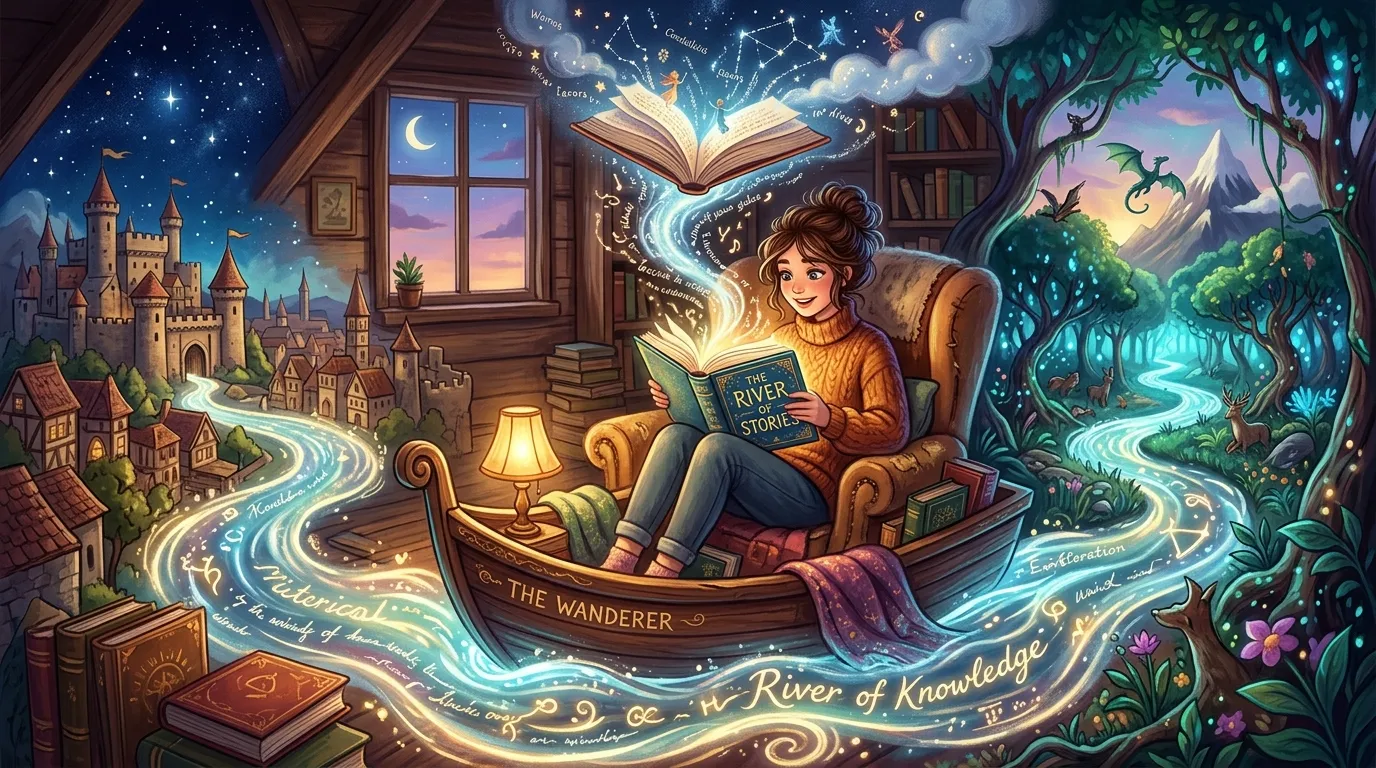
Reading is one of the most rewarding habits a person can develop. It opens the door to knowledge, sparks imagination, strengthens critical thinking, and allows readers to explore new worlds without leaving their seats. Whether you’re enjoying a thrilling novel, studying for an exam, reading a historical biography, or browsing an informative blog, every book and article has the power to teach, inspire, and entertain. Because reading is such a meaningful experience, describing it with ordinary language can sometimes fall short. That’s where similes become an excellent writing tool. By comparing reading to familiar objects, natural elements, animals, and everyday experiences, similes create vivid imagery that captures the joy, curiosity, and value of reading.
Whether you’re a student writing an essay, a teacher preparing educational materials, a blogger creating book-related content, or a storyteller describing a love for books, learning similes for reading can make your writing more engaging and memorable. These creative comparisons help readers visualize the experience of reading while adding emotion, depth, and originality to your work.
In this comprehensive guide, you’ll discover some of the best similes for reading, complete with simple meanings, detailed definitions, practical usage insights, and realistic examples. You’ll also learn how to use these similes effectively in essays, stories, poems, speeches, and content writing.
What Is a Simile?
A simile is a figure of speech that compares two different things using the words “like” or “as.” Instead of describing an idea directly, a simile creates a vivid comparison that helps readers imagine thoughts, emotions, and experiences more clearly.
Similes make writing more expressive by transforming simple descriptions into memorable and relatable imagery.
Simple Examples
- She was as brave as a lion.
- His smile was like sunshine after the rain.
These comparisons make writing more engaging and enjoyable to read.
76 Powerful Similes for Reading
1. Like opening a door to a new world
Meaning: Reading introduces new ideas and experiences.
Definition: Every book offers readers a chance to explore different places, cultures, and perspectives, making this one of the most inspiring similes for reading.
Usage Insight: Perfect for essays, speeches, book reviews, blogs, and educational writing. Suitable for formal, casual, and inspirational contexts.
Examples:
- Reading is like opening a door to a new world filled with endless possibilities.
- Every novel introduced her to fascinating characters and adventures.
2. As refreshing as a cool breeze
Meaning: Relaxing and enjoyable.
Definition: A cool breeze brings comfort and renewal, much like reading provides mental relaxation.
Usage Insight: Excellent for reflective blogs and personal essays.
Examples:
- Reading after work was as refreshing as a cool breeze.
- A good book helped him unwind after a busy day.
3. Like a treasure chest full of knowledge
Meaning: Rich in valuable information.
Definition: Books contain ideas and lessons that are as valuable as hidden treasures.
Usage Insight: Great for educational articles and classroom speeches.
Examples:
- Every library is like a treasure chest full of knowledge.
- Students discovered something new with every chapter.
4. As exciting as an adventure
Meaning: Full of discovery and surprises.
Definition: Reading allows people to experience thrilling journeys through stories and ideas.
Usage Insight: Perfect for book blogs, storytelling, and speeches.
Examples:
- Reading a mystery novel was as exciting as an adventure.
- Every page kept her eager to find out what happened next.
5. Like a key unlocking hidden worlds
Meaning: Revealing new ideas and opportunities.
Definition: Books unlock imagination, understanding, and learning just as keys unlock doors.
Usage Insight: Ideal for motivational essays and educational content.
Examples:
- Reading is like a key unlocking hidden worlds.
- Every book expanded his understanding of life.
6. As comforting as a warm blanket
Meaning: Providing peace and comfort.
Definition: Reading can create a feeling of safety and relaxation similar to wrapping yourself in a soft blanket.
Usage Insight: Great for lifestyle blogs and personal reflections.
Examples:
- Her favorite novel felt as comforting as a warm blanket.
- Reading before bedtime helped her relax.
7. Like traveling without leaving home
Meaning: Exploring distant places through books.
Definition: Reading allows people to experience different cultures and locations from anywhere.
Usage Insight: Excellent for travel blogs and educational writing.
Examples:
- Reading historical fiction is like traveling without leaving home.
- Every chapter transported him somewhere new.
8. As bright as a lighthouse in the dark
Meaning: Providing guidance and wisdom.
Definition: Books often offer direction, inspiration, and solutions to life’s challenges.
Usage Insight: Perfect for motivational speeches and self-improvement blogs.
Examples:
- Reading was as bright as a lighthouse during difficult times.
- Books gave her hope and confidence.
9. Like planting seeds in the mind
Meaning: Encouraging learning and growth.
Definition: Every book plants ideas that continue to grow over time.
Usage Insight: Suitable for education articles and inspirational writing.
Examples:
- Reading is like planting seeds in the mind.
- Great books inspired him to think differently.
10. As endless as the stars in the sky
Meaning: Filled with unlimited knowledge.
Definition: The world of books offers endless opportunities for learning and imagination.
Usage Insight: Excellent for essays, speeches, and book reviews.
Examples:
- The possibilities in reading are as endless as the stars in the sky.
- Every new book opened another path to discovery.
How to Use These Similes Effectively
Learning similes for reading is only the first step. Using them naturally can make your writing more vivid, engaging, and memorable.
Essays
Use similes to describe the value of reading, learning, imagination, and personal growth instead of repeating simple descriptions. This creates stronger imagery and improves readability.
Stories
Characters who enjoy reading become more relatable when their experiences are illustrated through vivid comparisons rather than plain statements.
Poems
Poetry often celebrates imagination, curiosity, and knowledge. Similes help express these themes with beautiful and meaningful imagery.
Content Writing
Whether you’re writing book reviews, educational blogs, literacy campaigns, parenting articles, or study resources, examples of similes for reading improve reader engagement while naturally strengthening SEO.
Speeches and Personal Messages
School speeches, library events, reading campaigns, graduation ceremonies, and book club presentations become more inspiring when meaningful similes highlight the lifelong benefits of reading.
Frequently Asked Questions
What are similes for reading?
Similes for reading compare the experience of reading to familiar things using words like “like” or “as.” They make writing more descriptive, engaging, and memorable.
Why should writers use similes for reading?
They create vivid imagery, improve emotional connection, and help readers better appreciate the value of books and learning.
Can students use these similes in school assignments?
Yes. These common similes for reading are ideal for essays, speeches, creative writing, book reports, presentations, and classroom activities.
What’s the difference between a simile and a metaphor?
A simile compares two things using “like” or “as,” while a metaphor makes a direct comparison without using those words.
Are similes for reading useful for bloggers?
Absolutely. Bloggers often use creative similes for reading in education, literature, parenting, book reviews, and personal development content to make articles more engaging and relatable.
Conclusion
Reading is far more than a daily habit—it is a lifelong journey of learning, imagination, and personal growth. Every page offers new ideas, fresh perspectives, and opportunities to explore worlds beyond our own experiences. Using carefully chosen similes for reading allows writers to describe these experiences through vivid comparisons that readers can easily picture and appreciate. Rather than relying on ordinary descriptions, similes bring the joy and value of reading to life with creativity, emotion, and memorable imagery.
Whether you’re writing an essay, a book review, an educational blog, a speech, a poem, or a story, the best similes for reading can make your writing more expressive and impactful. Choose comparisons that naturally fit your message, vary your language to keep readers interested, and experiment with creating your own original similes inspired by your reading experiences. As you continue practicing descriptive writing, you’ll develop a richer style that celebrates the transformative power of books while leaving a lasting impression on every reader.

James Williams is a dedicated language writer and contributor at Mitaphor.com, where he explores the art of similes, metaphors, and word meanings. With a passion for making language simple and engaging, James breaks down complex expressions into clear, easy-to-understand insights. His work is designed to help students, writers, and curious readers better understand figurative language and use it effectively in everyday communication.