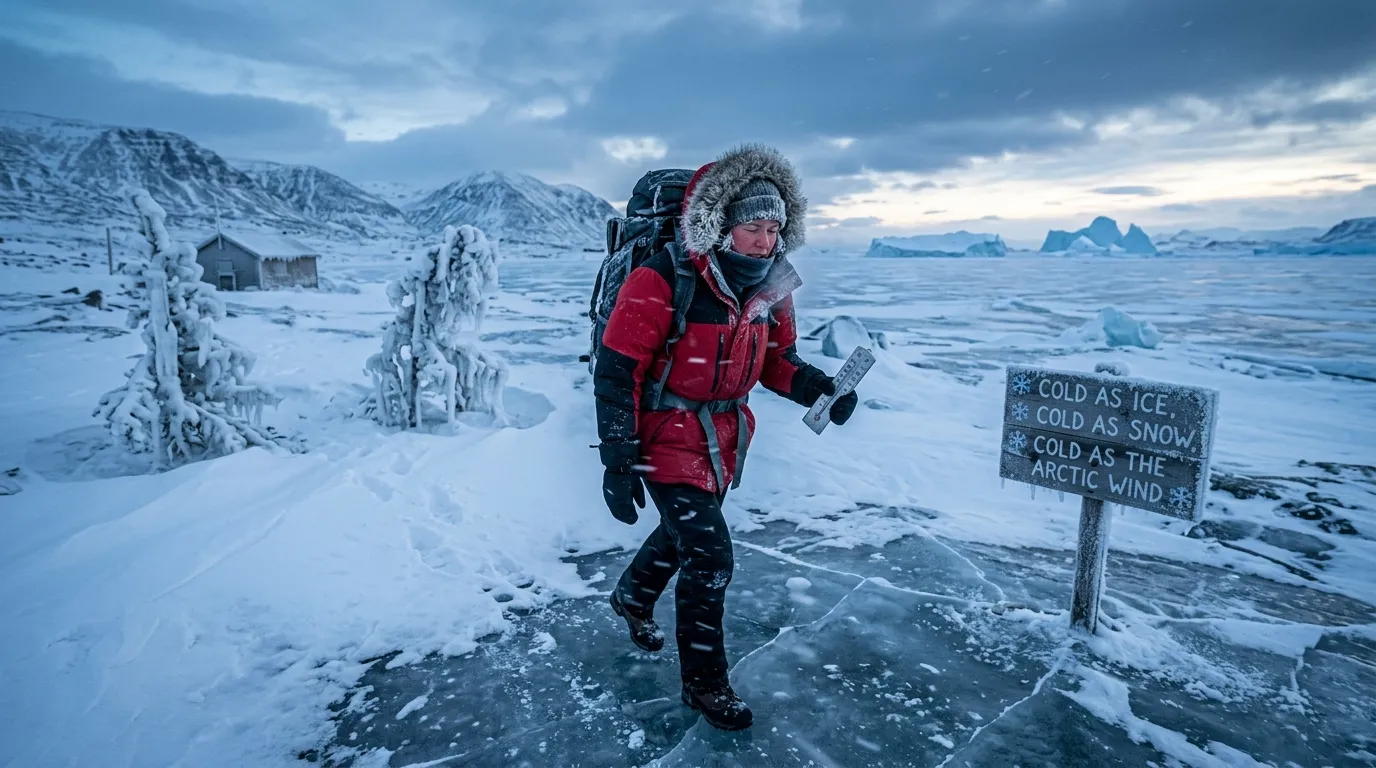
Cold is one of the most powerful sensations writers use to describe weather, emotions, personalities, objects, and environments. Whether you’re writing about freezing winter mornings, icy winds, distant emotions, or frosty landscapes, “cold as” similes help create vivid and memorable descriptions. These comparisons use the “as…as” structure to compare something with objects or elements known for their coldness. From “as cold as ice” to “as cold as the Arctic,” these similes make your writing more engaging, expressive, and easy to visualize.
Whether you’re a student learning figurative language, a teacher preparing English lessons, a novelist creating atmospheric scenes, a poet writing emotional verses, or a blogger producing educational content, mastering cold as similes can greatly improve your writing. These comparisons are perfect for essays, speeches, poems, stories, and everyday conversations because they add depth, imagery, and emotional impact.
In this comprehensive guide, you’ll discover some of the best cold as similes, learn what a simile is, explore detailed meanings and examples, and find practical tips for using them effectively in different forms of writing.
What Is a Simile?
A simile is a figure of speech that compares two different things using the words “like” or “as.”
Cold as similes compare a person, object, emotion, or situation with something commonly associated with extreme cold.
Simple Examples
- Her hands were as cold as ice.
- The wind felt as cold as the Arctic.
These comparisons help readers instantly understand the intensity of the cold being described.
100 Cold As Similes
1. As Cold as Ice
Meaning: Extremely cold or emotionally distant.
Definition: Ice is one of the most common symbols of coldness and emotional detachment.
Usage Insight: Perfect for weather descriptions, emotional writing, stories, and everyday conversation.
Examples:
- Her hands were as cold as ice.
- His expression remained emotionless.
2. As Cold as Snow
Meaning: Freezing and refreshing.
Definition: Fresh snow symbolizes winter and icy temperatures.
Usage Insight: Great for nature writing, poetry, and descriptive essays.
Examples:
- The mountain air was as cold as snow.
- The frozen field sparkled in the morning light.
3. As Cold as the Arctic
Meaning: Bitterly cold.
Definition: The Arctic is known for its extreme freezing climate.
Usage Insight: Excellent for travel writing and dramatic descriptions.
Examples:
- The wind was as cold as the Arctic.
- We bundled up before going outside.
4. As Cold as a Glacier
Meaning: Deeply cold and unchanging.
Definition: Glaciers remain frozen for centuries, symbolizing lasting coldness.
Usage Insight: Ideal for descriptive writing and emotional comparisons.
Examples:
- His stare was as cold as a glacier.
- The cave remained freezing year-round.
5. As Cold as Frost
Meaning: Chilly and crisp.
Definition: Frost forms during freezing temperatures and represents winter mornings.
Usage Insight: Perfect for poetry, seasonal writing, and storytelling.
Examples:
- The grass was as cold as frost.
- The morning air felt refreshing.
6. As Cold as the North Wind
Meaning: Sharp and piercing.
Definition: Northern winds are often associated with freezing weather.
Usage Insight: Great for weather descriptions and dramatic scenes.
Examples:
- The breeze was as cold as the north wind.
- Everyone hurried indoors.
7. As Cold as a Frozen Lake
Meaning: Deeply chilled and still.
Definition: Frozen lakes represent solid ice and intense winter cold.
Usage Insight: Excellent for descriptive essays and novels.
Examples:
- The water was as cold as a frozen lake.
- His touch sent chills down my spine.
8. As Cold as Winter Midnight
Meaning: Intensely cold and silent.
Definition: Midnight during winter symbolizes the coldest part of the day.
Usage Insight: Ideal for mystery stories, poetry, and atmospheric writing.
Examples:
- The night was as cold as winter midnight.
- Silence covered the town.
9. As Cold as a Polar Breeze
Meaning: Refreshingly icy.
Definition: Polar winds bring extremely cold temperatures.
Usage Insight: Suitable for travel writing and nature descriptions.
Examples:
- The mountain breeze was as cold as a polar breeze.
- Everyone reached for a warm jacket.
10. As Cold as Frozen Steel
Meaning: Hard, cold, and unfeeling.
Definition: Metal becomes extremely cold in freezing temperatures and symbolizes emotional distance.
Usage Insight: Excellent for thrillers, character descriptions, and dramatic writing.
Examples:
- His voice was as cold as frozen steel.
- The courtroom fell silent.
How to Use Cold As Similes Effectively
Essays
Use cold similes to describe weather, seasons, emotions, environments, or difficult situations with vivid imagery.
Stories
Cold similes help create suspense, mystery, and emotional depth while painting realistic scenes.
Poems
They add atmosphere and symbolism when describing loneliness, winter, peace, or emotional distance.
Speeches
Cold comparisons can emphasize hardship, perseverance, and overcoming challenges.
Everyday Conversation
Expressions like “as cold as ice” make daily communication more expressive and memorable.
Frequently Asked Questions
What are cold as similes?
Cold as similes compare a person, object, feeling, or place to something famously cold using the “as…as” structure.
Why are cold similes useful?
They help readers visualize coldness more clearly while making writing more descriptive and engaging.
What is the most common cold simile?
“As cold as ice” is the most popular and widely recognized cold simile.
Can cold similes be used in formal writing?
Yes. They work well in essays, speeches, literature, creative writing, and educational materials when used naturally.
How can I create my own cold similes?
Think of something strongly associated with cold—such as ice, snow, glaciers, frost, or the Arctic—and compare it using the “as…as” structure.
Conclusion
Mastering cold as similes is an excellent way to make your writing more vivid, atmospheric, and emotionally engaging. Whether you’re describing freezing weather, icy landscapes, distant personalities, or challenging situations, these comparisons create memorable imagery that readers immediately understand. From “as cold as ice” to “as cold as a glacier,” each simile adds richness and depth to your descriptions.
Whether you’re a student improving your figurative language skills, a teacher introducing literary devices, a poet crafting emotional verses, a novelist creating immersive winter scenes, or a content creator publishing educational articles, learning the best cold as similes will strengthen your creativity and communication. Practice using these comparisons naturally, observe the different forms of cold in nature, and create your own original similes to make your writing even more engaging and impactful.

Chris Woak is a passionate language enthusiast and the creative voice behind Mitaphor.com. With a deep interest in similes, metaphors, and word meanings, Chris simplifies complex expressions into clear, engaging explanations that readers of all levels can understand. His work focuses on helping students, writers, and language lovers explore the power of figurative language and improve their communication skills.