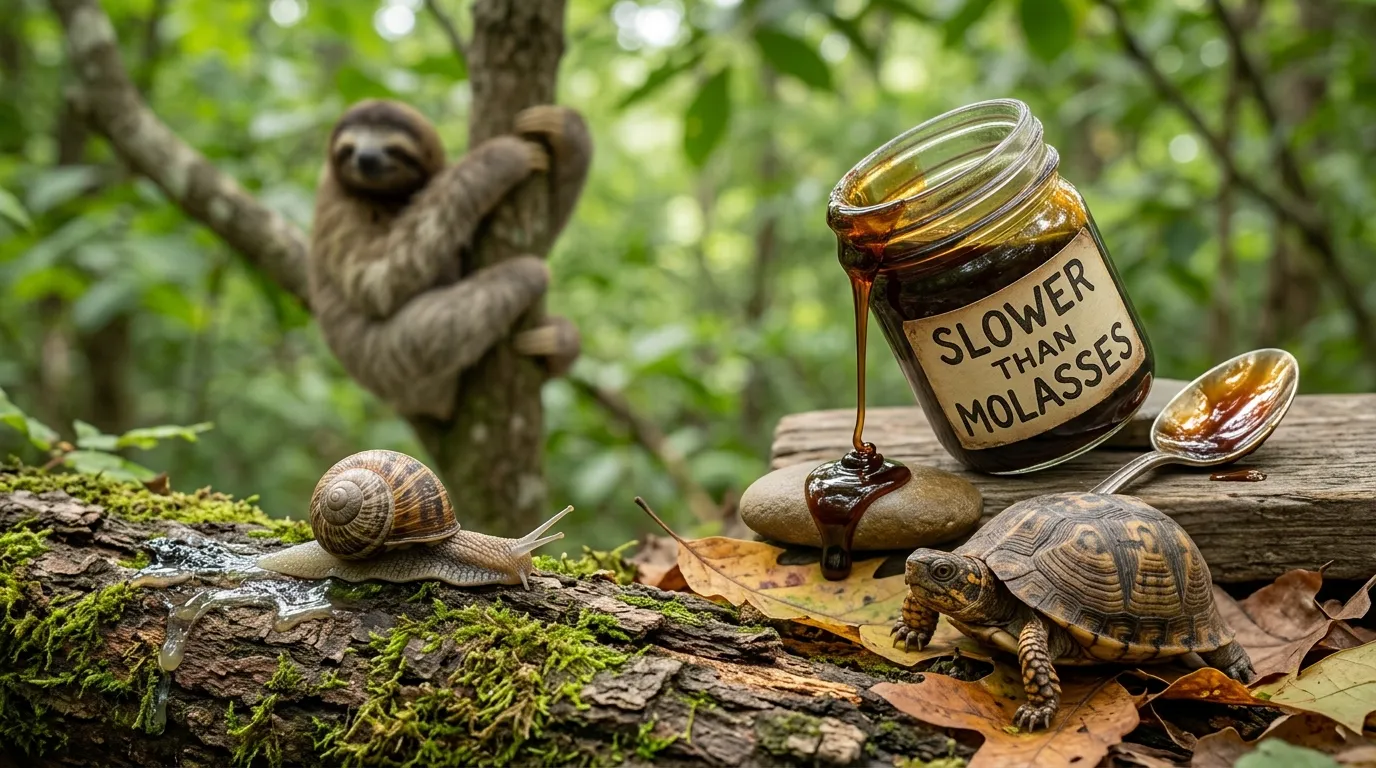
Slowness can express patience, calmness, careful movement, laziness, or gradual progress, depending on the context. Whether you’re describing a person walking leisurely, a traffic jam, a slow-moving animal, or a process that takes time, “slow as” similes help create vivid mental images. These comparisons use the “as…as” structure to compare someone’s pace or movement with something well known for being slow. They make writing more descriptive, engaging, and memorable while helping readers instantly understand the speed being described.
Whether you’re a student learning figurative language, a teacher preparing English lessons, a novelist writing detailed scenes, a poet crafting expressive verses, or a blogger creating educational content, mastering slow as similes can improve your writing. These comparisons work well in essays, stories, speeches, poems, and everyday conversations because they add clarity, creativity, and personality.
In this comprehensive guide, you’ll discover some of the best slow as similes, learn what a simile is, explore detailed meanings and examples, and find practical tips for using them effectively in different forms of writing.
What Is a Simile?
A simile is a figure of speech that compares two different things using the words “like” or “as.”
Slow as similes compare a person’s movement, progress, or pace to something commonly recognized for being slow.
Simple Examples
- He is as slow as a snail.
- Traffic moved as slowly as a turtle.
These comparisons make descriptions more vivid and easier to imagine.
100 Slow As Similes
1. As Slow as a Snail
Meaning: Extremely slow.
Definition: Snails are famous for their slow movement, making this the most common slow simile.
Usage Insight: Perfect for essays, classroom activities, stories, and everyday conversation.
Examples:
- He walked as slow as a snail.
- The internet connection felt painfully slow.
2. As Slow as a Turtle
Meaning: Moving at a very relaxed pace.
Definition: Turtles are well known for their steady, slow movement.
Usage Insight: Great for describing people, animals, or traffic.
Examples:
- The line moved as slow as a turtle.
- She completed the puzzle carefully.
3. As Slow as Molasses
Meaning: Painfully slow.
Definition: Thick molasses pours very slowly, making it a classic comparison.
Usage Insight: Excellent for humorous writing and everyday expressions.
Examples:
- The computer was as slow as molasses.
- Traffic barely moved.
4. As Slow as a Sloth
Meaning: Very slow and relaxed.
Definition: Sloths are among the slowest animals in the world.
Usage Insight: Perfect for humorous descriptions and storytelling.
Examples:
- He woke up and moved as slow as a sloth.
- The lazy afternoon passed peacefully.
5. As Slow as a Glacier
Meaning: Extremely gradual over a long time.
Definition: Glaciers move only a few inches or feet over long periods.
Usage Insight: Ideal for describing slow progress or long-term change.
Examples:
- The project advanced as slow as a glacier.
- Recovery took many months.
6. As Slow as a Crawling Caterpillar
Meaning: Moving carefully and steadily.
Definition: Caterpillars crawl slowly while making gradual progress.
Usage Insight: Great for children’s writing and nature descriptions.
Examples:
- The toddler moved as slow as a crawling caterpillar.
- The tiny insect crossed the leaf.
7. As Slow as Dripping Honey
Meaning: Smooth but very slow.
Definition: Honey flows slowly because of its thickness.
Usage Insight: Excellent for descriptive essays and creative writing.
Examples:
- Time passed as slow as dripping honey.
- The syrup poured gently onto the pancakes.
8. As Slow as an Old Clock
Meaning: Delayed or moving at a sluggish pace.
Definition: An old clock may tick slowly, symbolizing gradual movement.
Usage Insight: Suitable for storytelling and reflective writing.
Examples:
- The afternoon felt as slow as an old clock.
- Waiting for the results seemed endless.
9. As Slow as Winter Melting Away
Meaning: Taking a very long time.
Definition: The gradual transition from winter to spring represents patience and slow change.
Usage Insight: Ideal for poetry, nature writing, and inspirational articles.
Examples:
- Healing came as slow as winter melting away.
- Progress required patience.
10. As Slow as a Gentle River
Meaning: Calm, peaceful, and steady.
Definition: A gently flowing river symbolizes patience and consistency.
Usage Insight: Perfect for descriptive writing, travel articles, and poetry.
Examples:
- His speech was as slow as a gentle river.
- The peaceful journey relaxed everyone.
How to Use Slow As Similes Effectively
Essays
Use slow similes to describe careful progress, patience, traffic, aging, or gradual change with vivid imagery.
Stories
Slow similes help create atmosphere, build suspense, and describe relaxed or thoughtful scenes.
Poems
They add rhythm and emotional depth when describing time, nature, reflection, or peaceful moments.
Speeches
Slow comparisons can reinforce messages about patience, persistence, and long-term success.
Everyday Conversation
Expressions like “as slow as a snail” make everyday communication more colorful and memorable.
Frequently Asked Questions
What are slow as similes?
Slow as similes compare a person’s movement, speed, or progress to something known for being slow using the “as…as” structure.
Why are slow similes useful?
They help readers visualize slow movement and make writing more descriptive and engaging.
What is the most common slow simile?
“As slow as a snail” is the most widely used and easily recognized slow simile.
Can slow similes be used in formal writing?
Yes. They work well in essays, speeches, creative writing, educational materials, and literature when used naturally.
How can I create my own slow similes?
Think of something famous for moving slowly—such as a sloth, turtle, glacier, or dripping honey—and compare it using “as…as.”
Conclusion
Mastering slow as similes is an excellent way to make your writing more descriptive, expressive, and memorable. Whether you’re describing a patient learner, a quiet river, slow-moving traffic, or gradual personal growth, these comparisons create vivid imagery that readers can easily understand. From “as slow as a snail” to “as slow as a glacier,” each simile adds depth, personality, and creativity to your writing.
Whether you’re a student improving your figurative language skills, a teacher introducing literary devices, a poet writing thoughtful verses, a novelist creating immersive scenes, or a content creator publishing educational articles, learning the best slow as similes will strengthen your communication and creativity. Practice using these comparisons naturally, observe the slow rhythms of nature and everyday life, and create your own original similes to make your writing even more engaging and impactful.

Chris Woak is a passionate language enthusiast and the creative voice behind Mitaphor.com. With a deep interest in similes, metaphors, and word meanings, Chris simplifies complex expressions into clear, engaging explanations that readers of all levels can understand. His work focuses on helping students, writers, and language lovers explore the power of figurative language and improve their communication skills.