Animals have inspired human language for centuries because they represent strength, courage, speed, intelligence, loyalty, beauty, and many other qualities. One of the most popular ways to describe people, emotions, and situations is through animal similes. A simile compares two different things using the words “like” or “as,” making descriptions more vivid and memorable. From being as brave as a lion to as busy as a bee, animal similes help writers create powerful imagery that readers instantly understand.
Whether you’re a student learning figurative language, a teacher preparing classroom activities, a writer creating engaging stories, a poet searching for expressive imagery, or a blogger producing educational content, mastering animal similes can greatly improve your writing. These comparisons are useful in essays, speeches, children’s books, poems, creative writing, and everyday conversations because they make ideas easier to visualize and remember.
In this comprehensive guide, you’ll discover some of the best animal similes, learn what a simile is, explore popular examples, understand when and where to use them, and find practical tips for incorporating animal similes into stories, essays, speeches, poems, and classroom activities.
What Is a Simile?
A simile is a figure of speech that compares two different things using the words “like” or “as.” These comparisons make language more expressive by helping readers relate unfamiliar ideas to familiar images.
Animal similes compare people, emotions, behaviors, or situations to animals known for specific characteristics such as courage, speed, patience, intelligence, or gentleness.
Simple Examples
- She was as graceful as a swan.
- He worked like a busy bee.
These comparisons make descriptions more vivid and engaging.
88 Animal Similes
1. As Brave as a Lion
Meaning: Extremely courageous.
Definition: Lions are often called the kings of the jungle and symbolize bravery, leadership, and confidence.
Usage Insight: Perfect for motivational speeches, stories, essays, biographies, and leadership content. Suitable for both formal and creative writing.
Examples:
- The firefighter was as brave as a lion during the rescue.
- She faced every challenge without fear.
2. As Busy as a Bee
Meaning: Very hardworking and active.
Definition: Bees constantly gather nectar and work together, making them symbols of productivity.
Usage Insight: Excellent for educational writing, workplace articles, and everyday conversation.
Examples:
- She was as busy as a bee preparing for the event.
- The students worked hard all afternoon.
3. As Wise as an Owl
Meaning: Highly intelligent and knowledgeable.
Definition: Owls have long been associated with wisdom and good judgment.
Usage Insight: Great for describing teachers, mentors, and thoughtful characters.
Examples:
- My grandfather is as wise as an owl.
- Her advice helped everyone make better decisions.
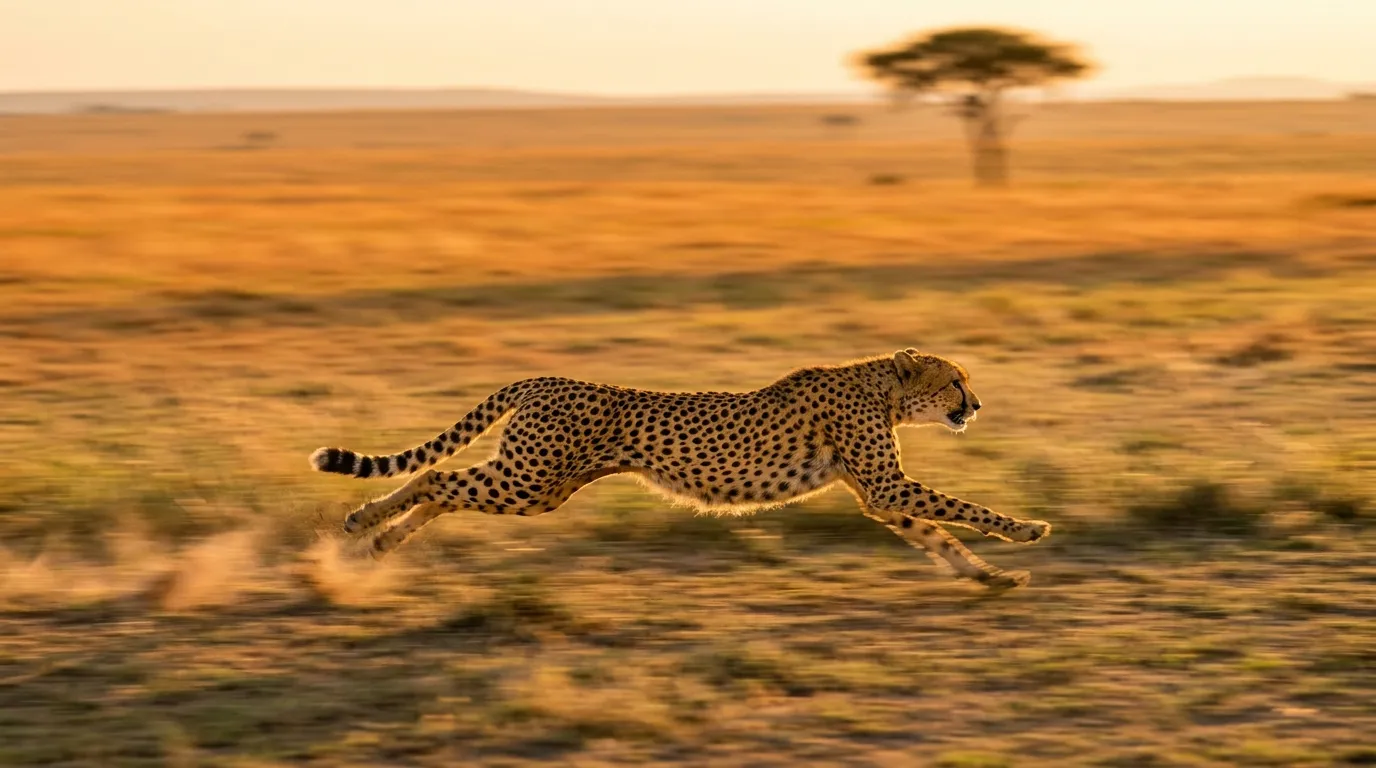
4. As Fast as a Cheetah
Meaning: Extremely quick.
Definition: Cheetahs are the fastest land animals, making them symbols of incredible speed.
Usage Insight: Perfect for sports writing, action stories, and descriptive essays.
Examples:
- The runner was as fast as a cheetah.
- He finished the race in record time.
5. As Gentle as a Lamb
Meaning: Kind and peaceful.
Definition: Lambs symbolize innocence, gentleness, and kindness.
Usage Insight: Ideal for describing caring personalities and peaceful situations.
Examples:
- The nurse was as gentle as a lamb.
- She spoke kindly to everyone.
6. As Loyal as a Dog
Meaning: Faithful and dependable.
Definition: Dogs are known worldwide for their loyalty and devotion.
Usage Insight: Excellent for friendship stories, speeches, and character descriptions.
Examples:
- He remained as loyal as a dog throughout the friendship.
- True friends stand by each other.
7. As Quiet as a Mouse
Meaning: Very silent.
Definition: Mice move quietly, making this one of the most common animal similes.
Usage Insight: Great for classrooms, stories, and everyday conversation.
Examples:
- The children became as quiet as a mouse during the movie.
- Nobody made a sound.
8. As Free as a Bird
Meaning: Feeling unrestricted and independent.
Definition: Birds flying through the sky symbolize freedom and possibility.
Usage Insight: Perfect for motivational writing, travel blogs, and inspirational speeches.
Examples:
- After graduation, she felt as free as a bird.
- He finally pursued his dreams.
9. As Strong as an Ox
Meaning: Extremely powerful.
Definition: Oxen are famous for their physical strength and endurance.
Usage Insight: Ideal for sports writing, biographies, and storytelling.
Examples:
- The construction worker was as strong as an ox.
- He lifted the heavy equipment with ease.
10. As Playful as a Dolphin
Meaning: Fun-loving and energetic.
Definition: Dolphins are known for their intelligence, curiosity, and playful behavior.
Usage Insight: Great for children’s stories, family writing, and descriptive essays.
Examples:
- The children were as playful as dolphins at the beach.
- Her cheerful personality made everyone smile.
How to Use These Animal Similes Effectively
Animal similes become more powerful when they naturally fit the person, action, or emotion you’re describing.
Essays
Use animal comparisons to make descriptions more engaging while supporting your main ideas.
Stories
Animal similes help readers visualize characters and actions quickly through familiar traits.
Poems
Creative animal imagery adds rhythm, symbolism, and emotional depth to poetry.
Speeches
Inspirational speeches often use animal similes to describe courage, determination, wisdom, and teamwork.
Content Writing
Whether you’re writing blogs, educational articles, children’s content, or creative stories, animal similes make your writing more colorful, memorable, and enjoyable to read.
Frequently Asked Questions
What are animal similes?
Animal similes are comparisons that use “like” or “as” to compare people, actions, emotions, or situations with animals known for specific qualities.
Why are animal similes important?
They make writing more vivid, improve understanding, strengthen imagery, and help readers remember important ideas.
What’s the difference between an animal simile and an animal metaphor?
An animal simile uses “like” or “as,” while an animal metaphor directly compares someone or something to an animal without those comparison words.
Can animal similes be used in formal writing?
Yes. They work well in speeches, descriptive essays, educational materials, and creative assignments when they suit the context.
How can I create my own animal similes?
Choose an animal with a well-known characteristic, such as speed, courage, wisdom, or loyalty, then compare it to the person or situation using “like” or “as.” Make sure the comparison is clear and meaningful.
Conclusion
Learning animal similes is an enjoyable and effective way to make your writing more descriptive, engaging, and memorable. These comparisons help readers instantly recognize qualities such as bravery, intelligence, kindness, loyalty, speed, and perseverance by connecting them with familiar animals. Whether you’re writing stories, essays, poems, speeches, or classroom assignments, animal similes add vivid imagery and make your ideas easier to understand.
Whether you’re a student expanding your vocabulary, a teacher introducing figurative language, a writer creating compelling stories, a poet exploring imaginative imagery, or a content creator publishing educational articles, mastering the best animal similes will strengthen your communication and creativity. Practice using these comparisons naturally, observe the unique characteristics of different animals, and experiment with creating your own original similes that fit your message. With regular practice, animal similes will become a valuable part of your writing toolkit, helping you produce content that captures attention and leaves a lasting impression.

James Williams is a dedicated language writer and contributor at Mitaphor.com, where he explores the art of similes, metaphors, and word meanings. With a passion for making language simple and engaging, James breaks down complex expressions into clear, easy-to-understand insights. His work is designed to help students, writers, and curious readers better understand figurative language and use it effectively in everyday communication.