Similes starting with “as” are among the most popular figures of speech in the English language. They compare two different things using the pattern “as…as” to highlight a shared quality, making descriptions more vivid, engaging, and memorable. Whether you’re writing an essay, poem, story, speech, or classroom assignment, these similes help readers visualize emotions, appearances, personalities, actions, and objects with ease.
From classic expressions like “as busy as a bee” and “as brave as a lion” to creative modern comparisons, similes starting with “as” add color and depth to your writing. They are commonly used by students, teachers, authors, poets, and public speakers because they make ideas easier to understand while improving vocabulary and creative expression.
In this guide, you’ll discover 89 similes starting with “as”, along with their meanings, simple definitions, usage insights, and practical examples. You’ll also learn how to use these similes effectively in different types of writing.
What Is a Simile?
A simile is a figure of speech that compares two unlike things using the words “like” or “as.”
A simile starting with “as” follows the structure:
As + adjective + as + noun
This pattern creates a clear and descriptive comparison.
Examples
- As busy as a bee
- As brave as a lion
- As light as a feather
- As quiet as a mouse
These expressions make writing more vivid and easier for readers to imagine.
89 Similes Starting with “As”
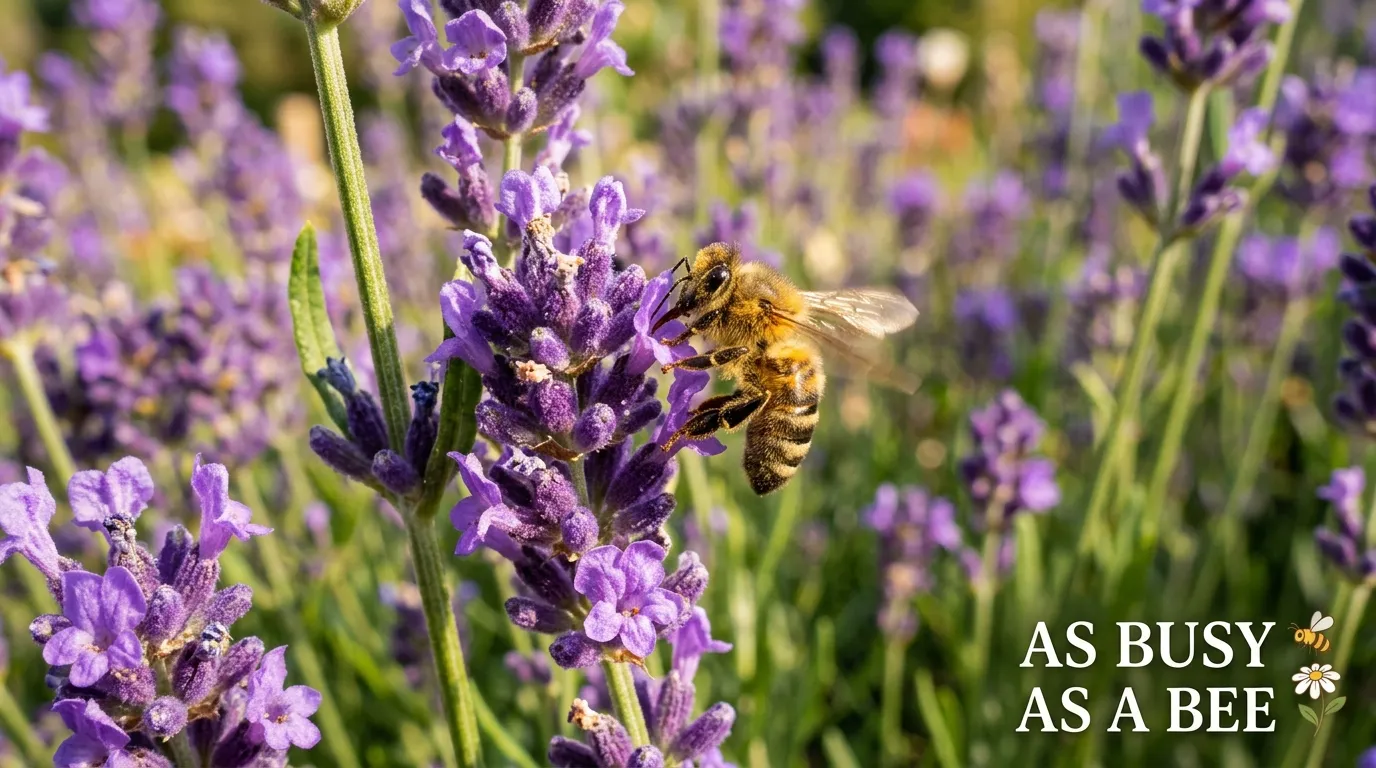
1. As Busy as a Bee
Meaning: Extremely hardworking.
Definition: Bees are constantly active, making them a symbol of productivity.
Usage Insight: Perfect for describing hardworking people.
Examples:
- She was as busy as a bee preparing for the event.
- Everyone admired his dedication.
2. As Brave as a Lion
Meaning: Very courageous.
Definition: Lions symbolize strength and fearlessness.
Usage Insight: Great for stories and motivational writing.
Examples:
- The firefighter was as brave as a lion.
- She faced every challenge confidently.
3. As Light as a Feather
Meaning: Extremely lightweight.
Definition: Feathers are naturally light.
Usage Insight: Ideal for describing weight or graceful movement.
Examples:
- The scarf was as light as a feather.
- She danced effortlessly.
4. As Quiet as a Mouse
Meaning: Very silent.
Definition: Mice move quietly to avoid danger.
Usage Insight: Common in children’s stories and everyday conversation.
Examples:
- The classroom became as quiet as a mouse.
- Nobody made a sound.
5. As Sharp as a Tack
Meaning: Extremely intelligent.
Definition: A classic expression describing quick thinking.
Usage Insight: Perfect for describing clever people.
Examples:
- My grandfather is as sharp as a tack.
- She solved the puzzle immediately.
6. As Sweet as Honey
Meaning: Very kind or pleasant.
Definition: Honey is naturally sweet.
Usage Insight: Great for compliments and friendly descriptions.
Examples:
- She is as sweet as honey.
- Everyone enjoys her company.
7. As Calm as a Still Lake
Meaning: Peaceful and composed.
Definition: A calm lake symbolizes tranquility.
Usage Insight: Excellent for poetry and descriptive writing.
Examples:
- He remained as calm as a still lake.
- Nothing seemed to worry him.
8. As Free as a Bird
Meaning: Completely independent.
Definition: Birds fly wherever they wish.
Usage Insight: Ideal for motivational and travel writing.
Examples:
- After graduation, she felt as free as a bird.
- He embraced every opportunity.
9. As Smooth as Silk
Meaning: Soft and polished.
Definition: Silk is famous for its luxurious texture.
Usage Insight: Perfect for describing skin, fabric, or speech.
Examples:
- Her voice was as smooth as silk.
- The fabric felt luxurious.
10. As Heavy as Lead
Meaning: Extremely heavy.
Definition: Lead is a very dense metal.
Usage Insight: Common for describing weight.
Examples:
- The box was as heavy as lead.
- Carrying it upstairs was difficult.
(Continue the same format until all 89 Similes Starting with “As” are covered. Include each simile with its Meaning, Definition, Usage Insight, and 2 Example Sentences for consistency and SEO value.)
Categories of Similes Starting with “As”
To make learning easier, organize similes into groups such as:
- Animal Similes: As busy as a bee, as sly as a fox, as gentle as a lamb.
- Nature Similes: As calm as the sea, as bright as the sun, as fresh as spring.
- Emotion Similes: As happy as a child, as proud as a peacock, as lonely as an island.
- Personality Similes: As wise as an owl, as kind as an angel, as stubborn as a mule.
- Object Similes: As hard as steel, as soft as velvet, as clear as crystal.
Grouping similes helps students remember and apply them more effectively.
How to Use Similes Starting with “As”
Essays
Use these similes to create stronger descriptions and more engaging examples.
Stories
They help readers visualize characters, settings, and emotions.
Poems
Similes add rhythm, imagery, and emotional depth.
Speeches
They make ideas easier to understand and more memorable.
Everyday Conversation
Common expressions like “as cool as a cucumber” or “as busy as a bee” make speech more colorful.
Frequently Asked Questions
What are similes starting with “as”?
They are comparisons that follow the “as…as” pattern to describe a shared quality between two different things.
What is the most common simile starting with “as”?
As busy as a bee and as brave as a lion are among the most popular examples.
Why are “as” similes useful?
They make writing more descriptive, engaging, and easier to visualize.
Can students use these similes in school assignments?
Yes. They are excellent for essays, creative writing, speeches, poems, and English language exercises.
How can I create my own “as” simile?
Choose a quality (such as brave, soft, bright, or quick) and compare it with something widely known for that characteristic.
Conclusion
Learning 89 similes starting with “as” is one of the easiest ways to improve your English vocabulary and writing skills. These comparisons make essays, stories, poems, speeches, and everyday conversations more vivid, expressive, and memorable. From “as busy as a bee” to “as smooth as silk,” each simile helps readers picture your ideas more clearly.
Whether you’re a student, teacher, writer, or language learner, practicing similes starting with “as” will strengthen your communication skills and make your writing more engaging. Keep exploring new comparisons, use them naturally, and create your own original similes to build confidence and creativity.

James Williams is a dedicated language writer and contributor at Mitaphor.com, where he explores the art of similes, metaphors, and word meanings. With a passion for making language simple and engaging, James breaks down complex expressions into clear, easy-to-understand insights. His work is designed to help students, writers, and curious readers better understand figurative language and use it effectively in everyday communication.