Loneliness is one of the deepest and most universal human emotions. It isn’t always about being physically alone—it can also mean feeling disconnected, misunderstood, or emotionally distant even when surrounded by people. Whether someone has moved to a new city, lost a loved one, experienced heartbreak, or simply feels isolated, loneliness affects people in many different ways. Because this emotion is so personal and complex, describing it effectively can be difficult. That’s where similes become an invaluable writing tool. By comparing loneliness to familiar places, objects, animals, and natural scenes, similes help readers vividly understand the feeling of isolation and emotional emptiness.
Whether you’re a student writing an essay, a blogger discussing mental well-being, a poet expressing deep emotions, or a storyteller creating relatable characters, learning similes for loneliness can make your writing more emotional, descriptive, and memorable. These creative comparisons help readers connect with your words while adding depth and realism to every sentence.
In this comprehensive guide, you’ll discover some of the best similes for loneliness, complete with easy-to-understand meanings, detailed definitions, practical usage insights, and realistic examples. You’ll also learn how to use these similes effectively in essays, stories, poems, speeches, and content writing.
What Is a Simile?
A simile is a figure of speech that compares two different things using the words “like” or “as.” Instead of simply describing an emotion, a simile creates a vivid comparison that helps readers imagine it more clearly.
Similes make writing more expressive because they transform ordinary descriptions into meaningful and memorable imagery.
Simple Examples
- He was as brave as a lion.
- Her smile was like sunshine after the rain.
These comparisons make writing more engaging and easier to visualize.
63 Powerful Similes for Loneliness
1. As lonely as an island in the middle of the ocean
Meaning: Completely isolated from others.
Definition: A distant island surrounded by endless water symbolizes separation and emotional isolation, making this one of the most powerful similes for loneliness.
Usage Insight: Perfect for essays, emotional stories, blogs, and reflective writing. Suitable for formal, casual, and poetic contexts.
Examples:
- After moving to a new city, she felt as lonely as an island in the middle of the ocean.
- He spent the holidays feeling completely disconnected from everyone.
2. Like a single star in the night sky
Meaning: Feeling alone despite being surrounded by a vast world.
Definition: A lone star represents solitude and quiet reflection.
Usage Insight: Excellent for poetry, novels, and emotional essays.
Examples:
- She stood like a single star in the night sky.
- His loneliness grew with every passing day.
3. As empty as an abandoned house
Meaning: Feeling emotionally empty.
Definition: An abandoned house symbolizes silence, isolation, and forgotten memories.
Usage Insight: Great for reflective writing and fiction.
Examples:
- His heart felt as empty as an abandoned house.
- She wandered through life feeling disconnected.
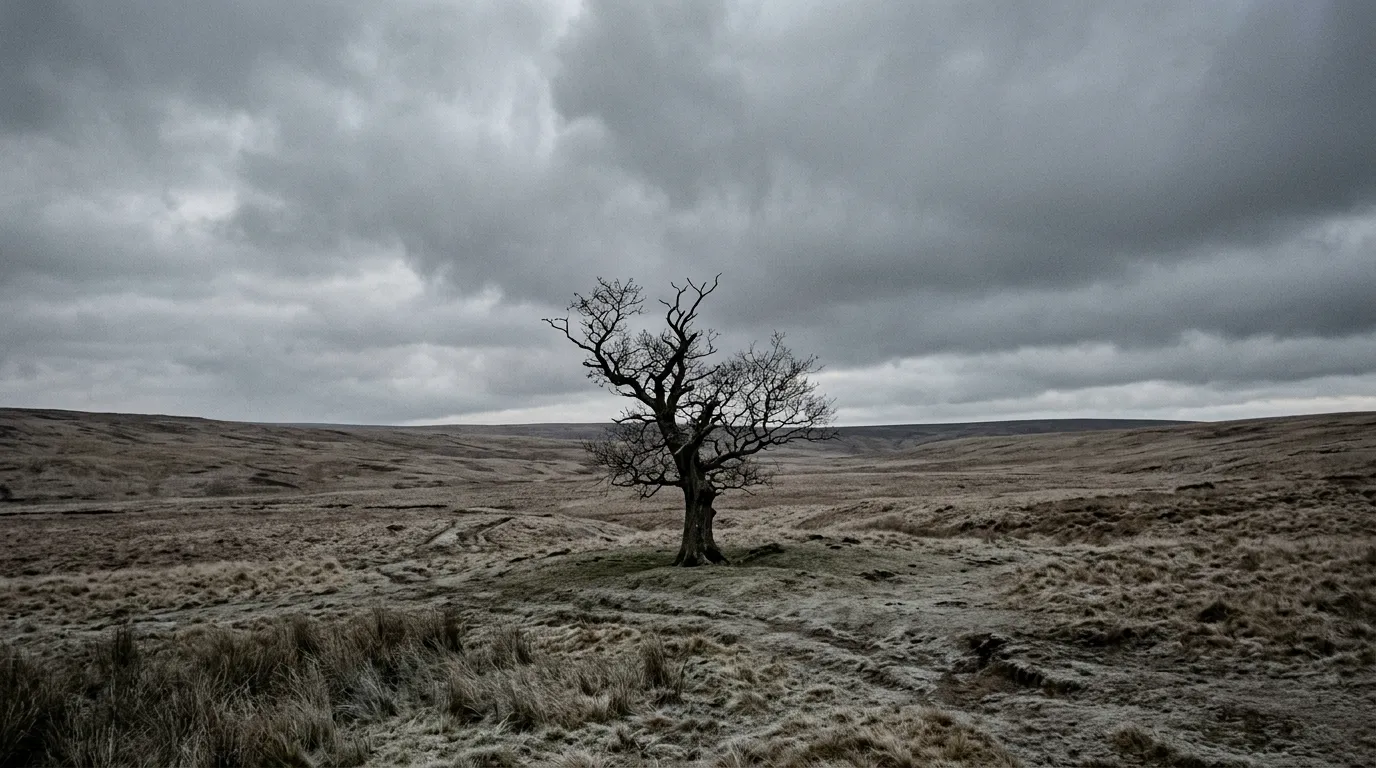
4. Like a tree standing alone in a field
Meaning: Isolated but still standing strong.
Definition: A solitary tree represents independence mixed with loneliness.
Usage Insight: Ideal for stories, poems, and descriptive essays.
Examples:
- He stood like a tree alone in the open field.
- She remained strong despite feeling isolated.
5. As silent as an empty church
Meaning: Filled with quiet loneliness.
Definition: An empty church creates an image of stillness and solitude.
Usage Insight: Perfect for emotional storytelling and reflective blogs.
Examples:
- The house felt as silent as an empty church after everyone left.
- Loneliness echoed through every room.
6. Like a leaf drifting in the wind
Meaning: Feeling directionless and alone.
Definition: A drifting leaf symbolizes uncertainty and emotional isolation.
Usage Insight: Excellent for poetry and personal essays.
Examples:
- He wandered through life like a leaf drifting in the wind.
- She struggled to find a place where she belonged.
7. As lost as a traveler without a map
Meaning: Feeling confused and isolated.
Definition: Being lost represents emotional uncertainty and loneliness.
Usage Insight: Great for motivational writing and fiction.
Examples:
- She felt as lost as a traveler without a map.
- His loneliness made every decision more difficult.
8. Like a boat floating on a quiet sea
Meaning: Alone without companionship.
Definition: A lone boat symbolizes peaceful yet profound solitude.
Usage Insight: Suitable for poems, novels, and reflective content.
Examples:
- He drifted through life like a boat on a quiet sea.
- She longed for someone to share her journey.
9. As cold as a winter night
Meaning: Feeling emotionally distant and lonely.
Definition: Cold winter nights often symbolize emptiness and isolation.
Usage Insight: Excellent for emotional essays and storytelling.
Examples:
- The apartment felt as cold as a winter night.
- His loneliness grew stronger after the farewell.
10. Like a forgotten book on a dusty shelf
Meaning: Feeling ignored or neglected.
Definition: A forgotten book represents someone who feels unseen and unappreciated.
Usage Insight: Perfect for blogs, essays, and reflective stories.
Examples:
- She felt like a forgotten book on a dusty shelf.
- He wished someone would notice how he felt.
How to Use These Similes Effectively
Learning similes for loneliness is only the beginning. Using them naturally can make your writing more emotional, relatable, and memorable.
Essays
Use similes to describe emotional isolation, sadness, or personal reflection instead of repeatedly using the word “lonely.” This creates richer descriptions and stronger emotional impact.
Stories
Characters become more realistic when readers can picture their loneliness through vivid comparisons instead of simple statements.
Poems
Poetry often explores emotions deeply. Similes help express solitude, longing, and emotional distance with beautiful and meaningful imagery.
Content Writing
Whether you’re writing mental health blogs, relationship articles, personal reflections, or self-improvement content, examples of similes for loneliness can make your writing more engaging while naturally improving readability and SEO.
Speeches and Personal Messages
Inspirational speeches, farewell messages, memoirs, and reflective talks become more meaningful when thoughtful similes illustrate feelings of loneliness and the importance of human connection.
Frequently Asked Questions
What are similes for loneliness?
Similes for loneliness compare feelings of isolation or emotional distance to familiar things using words like “like” or “as.” They make writing more vivid and emotionally engaging.
Why should writers use similes for loneliness?
They create stronger imagery, deepen emotional impact, and help readers connect with characters and experiences more easily.
Can students use these similes in school assignments?
Yes. These common similes for loneliness are suitable for essays, speeches, creative writing, poetry, and classroom presentations.
What’s the difference between a simile and a metaphor?
A simile compares two things using “like” or “as,” while a metaphor makes a direct comparison without using those words.
Are similes for loneliness useful for bloggers?
Absolutely. Bloggers often use creative similes for loneliness in mental health, relationships, personal growth, lifestyle, and inspirational content to create empathy and improve reader engagement.
Conclusion
Loneliness is a deeply personal emotion that can affect anyone at different stages of life. Whether it comes from physical separation, emotional distance, or major life changes, expressing loneliness through vivid language allows readers to understand its true depth. Using carefully chosen similes for loneliness transforms simple descriptions into meaningful comparisons that create empathy, emotion, and memorable imagery. Instead of merely stating that someone feels alone, similes help readers experience those emotions alongside the writer or character.
Whether you’re writing an essay, a heartfelt poem, a reflective blog, a fictional story, or an emotional speech, the best similes for loneliness can make your writing more powerful and authentic. Choose comparisons that naturally fit your message, avoid repeating the same imagery too often, and explore your own creative ideas to develop original similes. As you continue practicing descriptive writing, you’ll create richer stories and emotional connections that stay with readers long after they finish reading.

Chris Woak is a passionate language enthusiast and the creative voice behind Mitaphor.com. With a deep interest in similes, metaphors, and word meanings, Chris simplifies complex expressions into clear, engaging explanations that readers of all levels can understand. His work focuses on helping students, writers, and language lovers explore the power of figurative language and improve their communication skills.