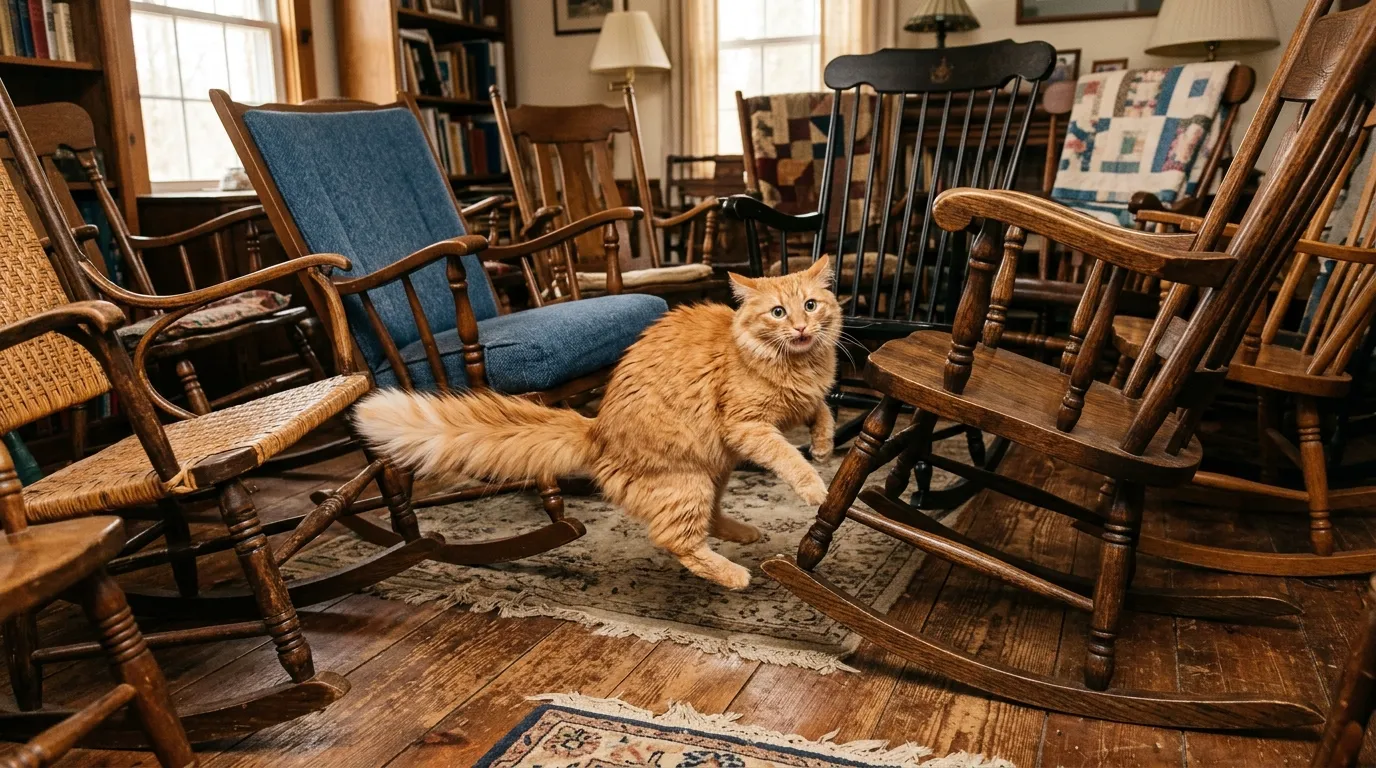
Humor makes language more enjoyable, and one of the easiest ways to add laughter to your conversations and writing is by using funny similes. A simile compares two different things using the words “like” or “as,” but when the comparison is unexpected or exaggerated, it creates a humorous effect. Expressions such as “as clumsy as a penguin on roller skates” or “like a cat trying to use a computer” instantly paint amusing mental pictures that make people smile. Whether you’re telling a story, writing a speech, creating social media content, or simply chatting with friends, funny similes can make your words far more memorable and entertaining.
Whether you’re a student learning figurative language, a teacher looking for classroom examples, a comedian adding humor to your material, a writer developing entertaining dialogue, or a blogger creating engaging content, understanding funny similes can help you communicate with creativity and personality. These playful comparisons are perfect for adding lighthearted humor while making descriptions more vivid and relatable.
In this comprehensive guide, you’ll discover some of the best funny similes, learn what a simile is, explore amusing examples, understand when and where to use them, and find practical tips for adding humor to essays, stories, speeches, social media posts, and everyday conversations.
What Is a Simile?
A simile is a figure of speech that compares two different things using the words “like” or “as.” Similes make descriptions more colorful by helping readers and listeners imagine something through a familiar comparison.
Funny similes use unexpected, exaggerated, or playful comparisons to create humor while still making the meaning easy to understand.
Simple Examples
- He eats like a vacuum cleaner.
- She was as happy as a dog with two tails.
These comparisons create humorous images that make language more entertaining.
71 Funny Similes
1. As Clumsy as a Penguin on Roller Skates
Meaning: Extremely awkward or uncoordinated.
Definition: The image of a penguin trying to roller skate creates an instantly funny picture of someone struggling to stay balanced.
Usage Insight: Perfect for humorous stories, conversations, comedy writing, and lighthearted speeches. Best suited for casual settings.
Examples:
- I was as clumsy as a penguin on roller skates during my first dance lesson.
- He tripped over his own feet while trying to look confident.
2. Like a Cat Trying to Use a Computer
Meaning: Completely confused.
Definition: Cats don’t understand computers, making this comparison both funny and relatable.
Usage Insight: Great for jokes, classroom humor, and everyday conversations.
Examples:
- I felt like a cat trying to use a computer during the coding workshop.
- The new software confused everyone at first.
3. As Busy as a Squirrel in a Peanut Factory
Meaning: Extremely busy.
Definition: A squirrel surrounded by endless peanuts creates a playful image of nonstop activity.
Usage Insight: Excellent for storytelling and humorous conversations.
Examples:
- Mom was as busy as a squirrel in a peanut factory before the holidays.
- Everyone rushed around preparing for the event.
4. Like a Chicken Trying to Solve a Puzzle
Meaning: Looking completely confused.
Definition: Imagining a chicken solving a puzzle creates a silly and amusing comparison.
Usage Insight: Ideal for playful conversations and comedy writing.
Examples:
- I stared at the math problem like a chicken trying to solve a puzzle.
- The instructions left everyone scratching their heads.
5. As Slow as a Snail on Vacation
Meaning: Moving extremely slowly.
Definition: Snails are already slow, so imagining one relaxing on vacation makes the comparison even funnier.
Usage Insight: Great for jokes, stories, and casual conversations.
Examples:
- The line moved as slow as a snail on vacation.
- It seemed to take forever to finish the project.
6. Like a Duck Wearing High Heels
Meaning: Looking awkward while trying to appear graceful.
Definition: The image of a duck walking in high heels creates instant comedy.
Usage Insight: Perfect for humorous descriptions and storytelling.
Examples:
- I walked like a duck wearing high heels after trying on new shoes.
- Everyone laughed when I almost lost my balance.
7. As Hungry as a Teenager After Soccer Practice
Meaning: Extremely hungry.
Definition: Teenagers often have huge appetites after physical activity, making this comparison funny and relatable.
Usage Insight: Excellent for family conversations and humorous writing.
Examples:
- I was as hungry as a teenager after soccer practice.
- We finished the pizza in minutes.
8. Like a Goldfish Taking an Exam
Meaning: Completely unprepared or confused.
Definition: A goldfish obviously cannot take an exam, making the image delightfully absurd.
Usage Insight: Great for school humor and funny social media posts.
Examples:
- I felt like a goldfish taking an exam after forgetting to study.
- The quiz seemed impossible that morning.
9. As Lost as Socks in a Washing Machine
Meaning: Totally confused or missing.
Definition: Missing socks are a familiar household mystery, making this simile instantly relatable.
Usage Insight: Perfect for everyday conversations and comedy.
Examples:
- I was as lost as socks in a washing machine during my first week at work.
- Nobody knew where the missing file had gone.
10. Like Popcorn in a Microwave
Meaning: Full of excitement and nonstop energy.
Definition: Popcorn pops quickly and energetically, creating a lively and amusing comparison.
Usage Insight: Ideal for describing energetic children, celebrations, and exciting events.
Examples:
- The kids bounced around like popcorn in a microwave before the party.
- Everyone cheered with excitement when the concert began.
How to Use These Funny Similes Effectively
Using funny similes can make your communication more entertaining while keeping your message memorable.
Essays
Use humorous similes sparingly in informal essays or personal narratives where a lighthearted tone is appropriate.
Stories
Funny similes bring characters and situations to life while adding personality and humor to your storytelling.
Poems
Playful similes can make humorous poems more imaginative and enjoyable for readers.
Content Writing
Whether you’re writing blogs, social media captions, newsletters, or entertainment articles, funny similes increase reader engagement and encourage sharing.
Everyday Conversations
A well-timed funny simile can make conversations more enjoyable and help people remember what you said.
Frequently Asked Questions
What are funny similes?
Funny similes are humorous comparisons that use “like” or “as” to describe people, situations, or objects in an amusing way.
Why are funny similes effective?
They create memorable mental images, make communication more entertaining, and help people connect through humor.
What’s the difference between a funny simile and a regular simile?
A regular simile simply compares two things, while a funny simile uses an unexpected or exaggerated comparison to create laughter.
Can funny similes be used in school writing?
Yes. They work well in creative writing, personal narratives, and speeches, but they may not be suitable for formal academic essays.
How can I create my own funny similes?
Think of an ordinary situation, then compare it to something surprising, exaggerated, or unexpected using “like” or “as.” The more imaginative the comparison, the funnier it often becomes.
Conclusion
Learning funny similes is a great way to make your language more lively, creative, and memorable. These humorous comparisons transform ordinary descriptions into entertaining images that make readers and listeners smile while helping them understand your message more clearly. Whether you’re describing someone’s clumsiness, excitement, confusion, or appetite, a clever funny simile can add personality and charm to your writing or conversation.
Whether you’re a student experimenting with creative writing, a teacher making English lessons more enjoyable, a writer developing humorous characters, or a content creator looking to engage your audience, exploring the best funny similes will help you communicate with greater creativity and confidence. Practice using these playful comparisons naturally, invent your own original funny similes inspired by everyday life, and use humor thoughtfully to entertain without distracting from your message. With imagination and practice, you’ll discover that the right simile can turn an ordinary sentence into one that readers remember long after they’ve finished reading.

James Williams is a dedicated language writer and contributor at Mitaphor.com, where he explores the art of similes, metaphors, and word meanings. With a passion for making language simple and engaging, James breaks down complex expressions into clear, easy-to-understand insights. His work is designed to help students, writers, and curious readers better understand figurative language and use it effectively in everyday communication.