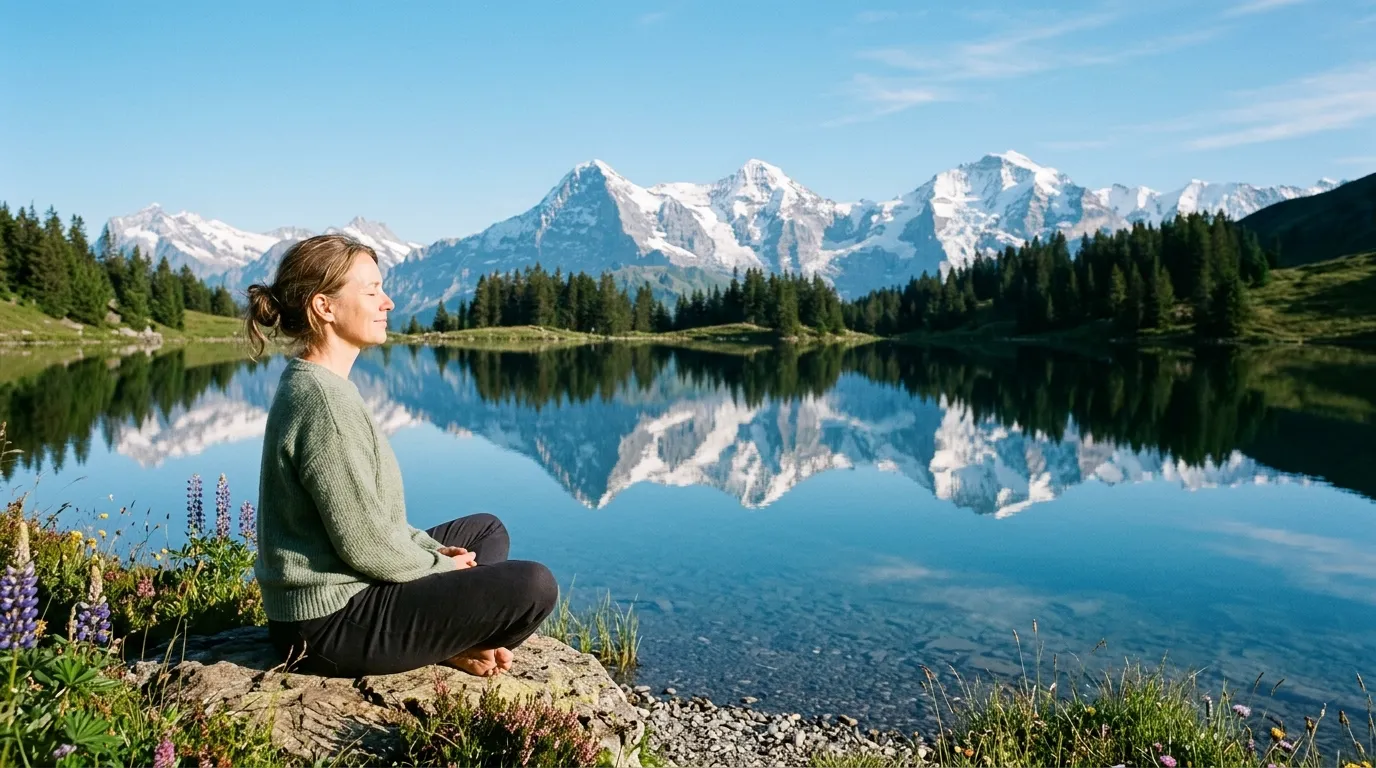
Mental peace is one of the most beautiful feelings a person can experience. Whether you’re a writer, student, blogger, poet, or storyteller, describing calmness and inner tranquility can make your writing more vivid and relatable. Similes are powerful literary tools that compare one thing to another using words like “as” or “like,” helping readers visualize emotions more clearly.
In this guide, you’ll discover some of the best similes for mental peace, complete with meanings, examples, writing tips, and practical ways to use them in essays, poems, stories, and daily writing.
What Is a Simile for Mental Peace?
A simile for mental peace compares a feeling of calmness, relaxation, or emotional balance to something peaceful and serene.
Example:
“Her mind was as calm as a lake at sunrise.”
This simile helps readers imagine a quiet, undisturbed state of mind.
89 Best Similes for Mental Peace
1. As calm as a lake at sunrise
Meaning: Completely peaceful and still.
Example: After meditation, I felt as calm as a lake at sunrise.
2. Like a gentle breeze on a spring morning
Meaning: Soft, refreshing, and soothing.
Example: His reassuring words felt like a gentle breeze on a spring morning.
3. As peaceful as a sleeping baby
Meaning: Free from worries and stress.
Example: She looked as peaceful as a sleeping baby.
4. Like moonlight resting on still water
Meaning: Quiet and comforting.
Example: The silence felt like moonlight resting on still water.
5. As quiet as freshly fallen snow
Meaning: Calm and undisturbed.
Example: My thoughts became as quiet as freshly fallen snow.
6. Like a feather floating through the air
Meaning: Light and carefree.
Example: I felt like a feather floating through the air.
7. As serene as a mountain at dawn
Meaning: Deeply tranquil.
Example: The retreat left me as serene as a mountain at dawn.
8. Like a garden after gentle rain
Meaning: Refreshed and renewed.
Example: My mind felt like a garden after gentle rain.
9. As still as a mirror-like pond
Meaning: Completely calm.
Example: Her emotions were as still as a mirror-like pond.
10. Like a cloud drifting across a blue sky
Meaning: Relaxed and worry-free.
Example: His thoughts floated like a cloud drifting across a blue sky.
11. As peaceful as a quiet temple
12. Like sunlight warming a meadow
13. As gentle as a mother’s touch
14. Like waves softly kissing the shore
15. As tranquil as a hidden valley
16. Like birds gliding through a clear sky
17. As soothing as a lullaby
18. Like a candle glowing in darkness
19. As balanced as a perfectly tuned instrument
20. Like leaves swaying in a mild breeze
21. As restful as a hammock under a tree
22. Like a river flowing smoothly
23. As relaxed as a cat sleeping in sunlight
24. Like a meadow covered in morning dew
25. As soft as evening twilight
26. Like stars reflecting on calm water
27. As comforting as a warm blanket
28. Like a dove soaring peacefully
29. As gentle as ocean mist
30. Like a quiet path through the woods
31. As peaceful as a monastery garden
32. Like a boat drifting on still water
33. As calm as a windless evening
34. Like a whisper carried by the breeze
35. As serene as a moonlit beach
36. Like a waterfall’s distant melody
37. As tranquil as a countryside morning
38. Like fresh rain nourishing the earth
39. As steady as an ancient oak tree
40. Like petals floating on a stream
41. As quiet as a deserted library
42. Like a bird resting in its nest
43. As comforting as a familiar song
44. Like a gentle stream through a forest
45. As peaceful as a sunset horizon
46. Like silk gliding through fingers
47. As smooth as glassy water
48. Like a butterfly resting on a flower
49. As refreshing as cool morning air
50. Like a lantern shining softly at night
51. As gentle as drifting fog
52. Like a calm sea beneath the stars
53. As quiet as a hidden cave
54. Like an untouched field of snow
55. As harmonious as birdsong at dawn
56. Like a slow-moving river
57. As soothing as rain on a rooftop
58. Like moonbeams through tree branches
59. As calm as a sleeping forest
60. Like a pearl resting in a shell
61. As peaceful as a countryside chapel
62. Like sunlight reflecting on water
63. As tranquil as a distant island
64. Like soft music in the background
65. As steady as a lighthouse
66. Like a cool breeze on a warm day
67. As restful as a quiet afternoon
68. Like a swan gliding across a lake
69. As comforting as home after a journey
70. Like a valley wrapped in mist
71. As calm as a clear autumn morning
72. Like a flower blooming peacefully
73. As gentle as falling petals
74. Like an open field beneath the sky
75. As serene as a snowy mountain peak
76. Like a peaceful prayer
77. As quiet as a sleeping village
78. Like sunshine after a storm
79. As refreshing as spring rain
80. Like an eagle soaring effortlessly
81. As smooth as a flowing melody
82. Like a peaceful dream
83. As calm as a sheltered bay
84. Like a still forest pond
85. As comforting as a kind smile
86. Like a rainbow after rainfall
87. As gentle as candlelight
88. Like morning mist over a meadow
89. As peaceful as paradise
Best Similes for Mental Peace in Poetry
Poets often use calming imagery to express tranquility:
- As calm as a lake at sunrise
- Like moonlight resting on still water
- As quiet as freshly fallen snow
- Like stars reflecting on calm water
- As serene as a moonlit beach
- Like petals floating on a stream
- As gentle as falling petals
- Like morning mist over a meadow
- As peaceful as paradise
- Like a peaceful dream
Best Similes for Mental Peace in Creative Writing
These similes work particularly well in stories and novels:
- Like a garden after gentle rain
- As soothing as a lullaby
- Like a quiet path through the woods
- As calm as a sleeping forest
- Like sunshine after a storm
- As comforting as home after a journey
- Like a cool breeze on a warm day
- As tranquil as a hidden valley
- Like a lantern shining softly at night
- As restful as a quiet afternoon
Best Similes for Mental Peace in Essays and Speeches
For academic and professional writing, use clear and relatable similes:
- As calm as a lake at sunrise
- As steady as an ancient oak tree
- Like a river flowing smoothly
- As balanced as a perfectly tuned instrument
- Like a gentle breeze on a spring morning
- As quiet as freshly fallen snow
- Like a boat drifting on still water
- As smooth as glassy water
- Like a cloud drifting across a blue sky
- As peaceful as a sunset horizon
Writing Tips for Using Mental Peace Similes
- Use natural imagery to create calming visuals.
- Match the simile to the tone of your writing.
- Avoid overusing the same comparison repeatedly.
- Choose simple similes for essays and complex ones for poetry.
- Use sensory details to strengthen the emotional impact.
- Combine similes with descriptive language for richer imagery.
- Select comparisons your audience can easily understand.
Frequently Asked Questions
What is the best simile for mental peace?
“As calm as a lake at sunrise” is one of the most popular similes because it instantly creates an image of stillness and tranquility.
Can similes improve emotional writing?
Yes. Similes help readers visualize emotions, making writing more engaging and memorable.
Are mental peace similes useful in essays?
Absolutely. They can make essays more descriptive and expressive when used appropriately.
What types of images work best for mental peace similes?
Nature-related images such as lakes, mountains, moonlight, rivers, gardens, and gentle breezes often work best.
Conclusion
Mental peace can be difficult to describe, but similes make it easier to express feelings of calmness, balance, and inner tranquility. Whether you’re writing poetry, essays, stories, or blog posts, these 89 similes for mental peace can help create vivid imagery and connect emotionally with readers. By choosing the right comparison, you can bring a sense of serenity and beauty to your writing.

James Williams is a dedicated language writer and contributor at Mitaphor.com, where he explores the art of similes, metaphors, and word meanings. With a passion for making language simple and engaging, James breaks down complex expressions into clear, easy-to-understand insights. His work is designed to help students, writers, and curious readers better understand figurative language and use it effectively in everyday communication.