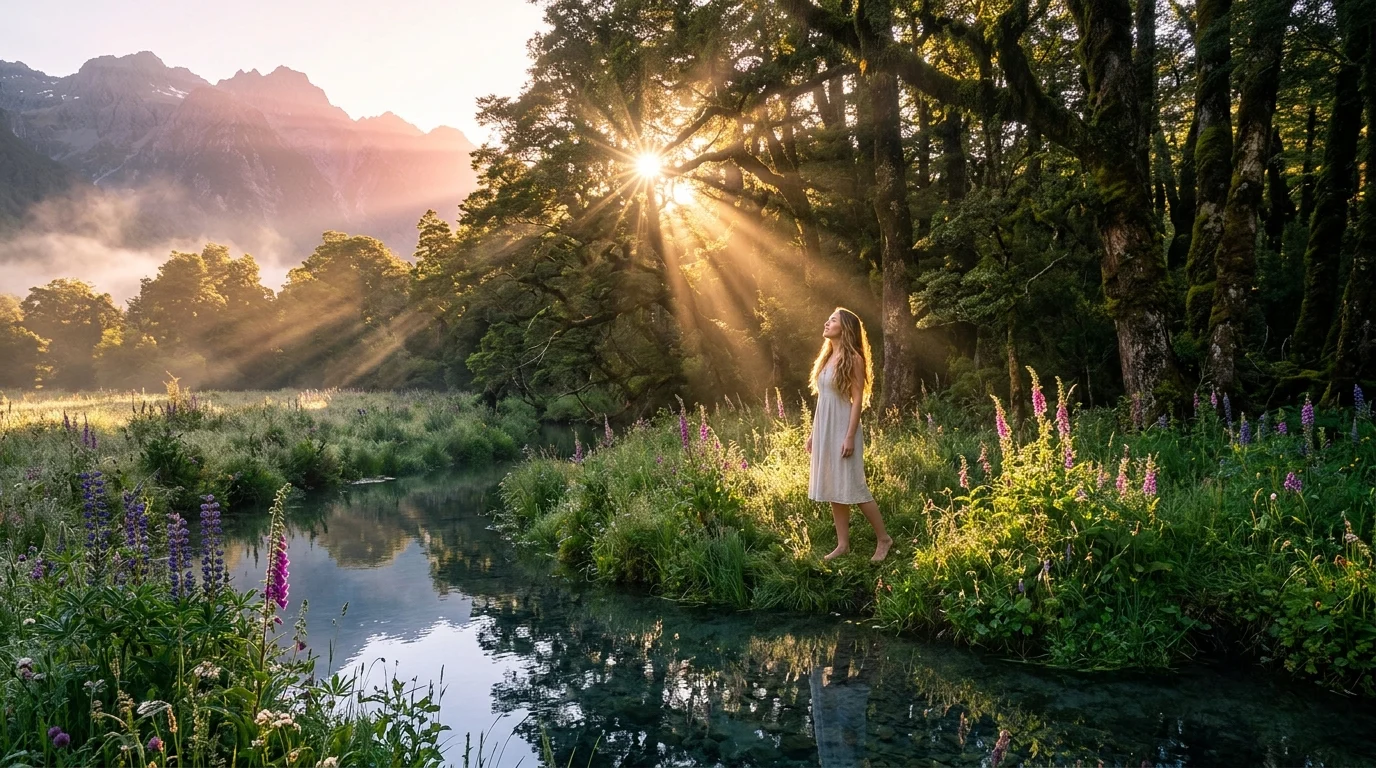
Nature has inspired writers, poets, and artists for centuries. From breathtaking sunsets and blooming flowers to majestic mountains and sparkling rivers, the natural world is filled with beauty that often feels difficult to describe using ordinary words. That’s why many writers turn to similes to capture nature’s charm and wonder.
A simile is a powerful literary device that compares two different things using words like “as” or “like.” These comparisons help readers visualize scenes more clearly and connect emotionally with the beauty being described. Instead of simply saying a meadow was beautiful, a simile can paint a vivid picture that makes the reader feel as if they are standing there.
Whether you’re writing poetry, stories, essays, travel articles, or blog posts, these similes for beauty in nature can help make your descriptions more colorful, memorable, and engaging.
In this guide, you’ll discover 57 beautiful similes for beauty in nature, complete with meanings, deeper explanations, usage insights, and realistic examples.
What Is a Simile?
A simile is a figure of speech that compares one thing to another using the words “like” or “as.”
Writers use similes to create vivid imagery and make descriptions easier to understand.
Simple Examples
- As bright as the sun
- Like a diamond sparkling in the light
These comparisons help readers form stronger mental images and experience writing more vividly.
When describing nature, similes can transform ordinary scenes into breathtaking imagery that stays with readers long after they’ve finished reading.
57 Beautiful Similes for Beauty in Nature
1. As beautiful as a sunrise over the mountains
Meaning: Exceptionally beautiful and inspiring.
Definition: Describes breathtaking natural beauty that fills people with wonder.
Usage Insight: Perfect for descriptive essays, travel writing, and poetry.
Examples:
- The valley was as beautiful as a sunrise over the mountains.
- Her view from the cabin was as beautiful as a sunrise over the mountains.
2. Like a diamond sparkling in the sunlight
Meaning: Bright and dazzling.
Definition: Refers to beauty that shines brilliantly.
Usage Insight: Great for describing water, flowers, or landscapes.
Examples:
- The lake shimmered like a diamond sparkling in the sunlight.
- Morning dew glistened like a diamond sparkling in the sunlight.
3. As graceful as a willow tree in the breeze
Meaning: Elegant and natural.
Definition: Describes beauty combined with gentle movement.
Usage Insight: Ideal for poetic and nature writing.
Examples:
- The branches moved as graceful as a willow tree in the breeze.
- The meadow appeared as graceful as a willow tree in the breeze.
4. Like a painting brought to life
Meaning: Perfectly beautiful.
Definition: Suggests scenery so stunning it resembles artwork.
Usage Insight: Excellent for travel blogs and storytelling.
Examples:
- The countryside looked like a painting brought to life.
- The autumn landscape appeared like a painting brought to life.
5. As radiant as the morning sun
Meaning: Bright and uplifting.
Definition: Beauty that fills surroundings with warmth and light.
Usage Insight: Useful for positive and inspirational writing.
Examples:
- The field was as radiant as the morning sun.
- The flowers looked as radiant as the morning sun.
6. Like a rainbow stretching across the sky
Meaning: Colorful and captivating.
Definition: Refers to beauty filled with vibrant colors.
Usage Insight: Perfect for describing gardens and natural scenery.
Examples:
- The wildflowers spread across the hillside like a rainbow stretching across the sky.
- The landscape looked like a rainbow stretching across the sky.
7. As enchanting as a moonlit forest
Meaning: Magical and mysterious.
Definition: Beauty that creates a sense of wonder.
Usage Insight: Ideal for fantasy and poetic writing.
Examples:
- The woods were as enchanting as a moonlit forest.
- The evening scene felt as enchanting as a moonlit forest.
8. Like pearls scattered across green velvet
Meaning: Delicate and precious.
Definition: Describes small beautiful details in nature.
Usage Insight: Excellent for flowers, dew, and blossoms.
Examples:
- The daisies looked like pearls scattered across green velvet.
- Morning dew rested like pearls scattered across green velvet.
9. As peaceful as a lake at dawn
Meaning: Beautifully calm.
Definition: Beauty combined with serenity and stillness.
Usage Insight: Great for reflective and descriptive writing.
Examples:
- The scene was as peaceful as a lake at dawn.
- The valley felt as peaceful as a lake at dawn.
10. Like golden silk spread across the horizon
Meaning: Rich and breathtaking.
Definition: Often used to describe sunsets and sunrises.
Usage Insight: Perfect for poetic descriptions.
Examples:
- The sunset stretched like golden silk spread across the horizon.
- Evening clouds looked like golden silk spread across the horizon.
11. As lovely as spring blossoms
Meaning: Fresh and delightful.
Definition: Beauty associated with renewal and growth.
Examples:
- The garden was as lovely as spring blossoms.
- The landscape appeared as lovely as spring blossoms.
12. Like stars sprinkled across the night sky
Meaning: Sparkling and mesmerizing.
Definition: Beauty that captures attention instantly.
Examples:
- The fireflies glowed like stars sprinkled across the night sky.
- The village lights looked like stars sprinkled across the night sky.
13. As breathtaking as a waterfall in the wilderness
Meaning: Remarkably beautiful.
Definition: Refers to scenery that leaves a strong impression.
Examples:
- The view was as breathtaking as a waterfall in the wilderness.
- The canyon looked as breathtaking as a waterfall in the wilderness.
14. Like a field of gold beneath the sun
Meaning: Rich and magnificent.
Definition: Describes beauty filled with warmth and abundance.
Examples:
- The wheat fields stretched like a field of gold beneath the sun.
- The countryside shone like a field of gold beneath the sun.
15. As pure as fresh morning dew
Meaning: Clean and untouched.
Definition: Beauty that feels natural and innocent.
Examples:
- The mountain air was as pure as fresh morning dew.
- The flowers looked as pure as fresh morning dew.
16–57 Additional Beautiful Similes for Beauty in Nature
- Like moonlight dancing on water
- As magnificent as a snow-covered mountain
- Like a butterfly resting on a flower
- As vibrant as an autumn forest
- Like emeralds scattered across a valley
- As dazzling as sunlight on the ocean
- Like soft clouds floating across the sky
- As refreshing as rain after a drought
- Like a garden bursting with color
- As timeless as the stars above
- Like silver threads woven through the landscape
- As splendid as a cherry blossom in spring
- Like crystal sparkling in daylight
- As majestic as an ancient redwood tree
- Like a river of liquid silver
- As delicate as a flower petal
- Like a dream painted by nature
- As charming as birds singing at dawn
- Like a crown of flowers upon the earth
- As elegant as swans on a lake
- Like sunlight filtering through leaves
- As colorful as a butterfly’s wings
- Like a symphony played by the wind
- As bright as a summer meadow
- Like waves glittering beneath the sun
- As soothing as ocean waves at sunset
- Like a carpet woven with wildflowers
- As magical as a sky full of fireflies
- Like jewels hidden among the grass
- As graceful as falling autumn leaves
- Like a masterpiece painted by the seasons
- As brilliant as the northern lights
- Like a valley wrapped in morning mist
- As glorious as a sunset after rain
- Like snowflakes sparkling in winter sunlight
- As captivating as a blooming rose garden
- Like a thousand stars reflected in water
- As serene as a forest after rainfall
- Like sunlight kissing the treetops
- As beautiful as nature’s finest artwork
- Like a paradise hidden beyond the hills
- As wondrous as the first bloom of spring
How to Use These Similes Effectively
In Essays
Use similes to make descriptions of landscapes and natural settings more vivid and engaging.
In Stories
Similes help readers visualize environments and connect emotionally with scenes.
In Poetry
Nature similes create rich imagery and emotional depth, making poems more memorable.
In Travel Writing
These comparisons help readers experience destinations through detailed descriptions.
In Content Writing
Nature-based similes can add beauty and creativity to blogs, articles, and social media content.
Frequently Asked Questions
What are similes for beauty in nature?
They are comparisons that help describe natural beauty using familiar images and expressions with like or as.
Why are similes useful in nature writing?
They create vivid imagery and help readers visualize landscapes more clearly.
Can I use nature similes in essays?
Yes. Nature similes can make descriptive and reflective essays more engaging.
What is a good simile for a beautiful landscape?
“As beautiful as a sunrise over the mountains” is a powerful and widely understood example.
Are similes important in poetry?
Absolutely. Similes are one of the most effective tools for creating imagery in poetry.
How can I create my own nature similes?
Observe natural features closely and compare them to familiar objects, emotions, or experiences that share similar qualities.
Conclusion
Nature offers endless inspiration for writers, and similes provide a powerful way to capture its beauty. These beautiful similes for beauty in nature can help transform simple descriptions into vivid, memorable imagery that resonates with readers. Whether you’re writing poetry, stories, essays, travel journals, or blog posts, these comparisons can make your work more expressive and engaging. Use them creatively, adapt them to your style, and let the wonders of nature shine through your writing.

James Williams is a dedicated language writer and contributor at Mitaphor.com, where he explores the art of similes, metaphors, and word meanings. With a passion for making language simple and engaging, James breaks down complex expressions into clear, easy-to-understand insights. His work is designed to help students, writers, and curious readers better understand figurative language and use it effectively in everyday communication.