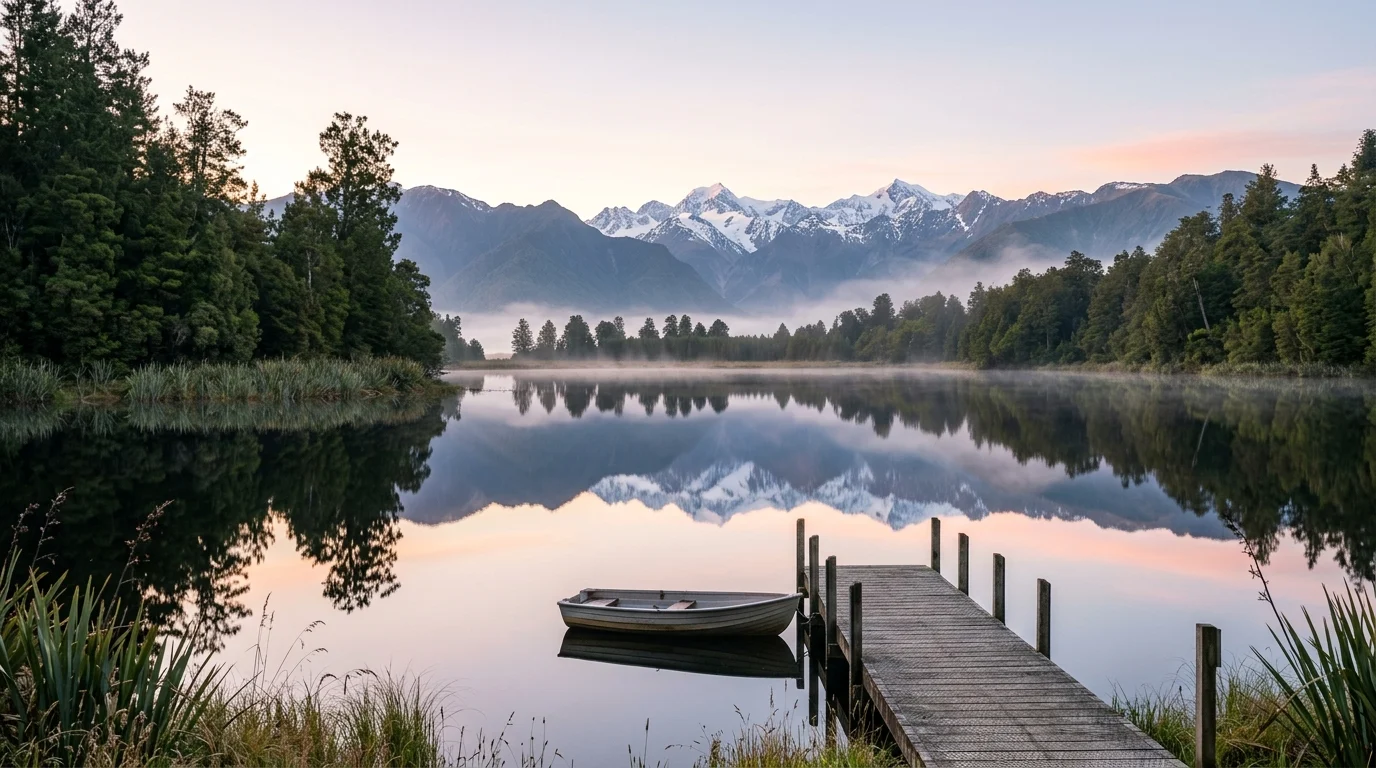
Finding the right words to describe calmness and peace can be challenging. While words like quiet, relaxed, and serene are useful, they often fail to paint a vivid picture in the reader’s mind. This is where similes become valuable. Similes allow writers to compare one thing to another using words like as or like, helping readers instantly visualize emotions, scenes, and experiences.
Whether you’re writing an essay, story, poem, blog post, or journal entry, using similes for calm and peace can make your writing more engaging and memorable. They add depth to descriptions, help readers connect emotionally, and create imagery that lingers long after the words are read.
In this guide, you’ll discover 47 of the best similes for calm and peace, complete with meanings, deeper explanations, usage tips, and examples. These similes can help writers, students, bloggers, and poets express tranquility with greater creativity and impact.
What Is a Simile?
A simile is a figure of speech that compares two different things using the words “like” or “as.” The purpose of a simile is to create a clearer or more vivid description.
Simple Examples
- As quiet as a mouse
- Like a feather floating in the wind
Both examples compare one thing to another in order to help readers better imagine the scene or feeling being described.
Similes are commonly used in literature, everyday conversations, speeches, poetry, and content writing because they make language more expressive and relatable.
47 Best Similes for Calm and Peace
1. As calm as a still lake
Meaning: Completely relaxed and peaceful.
Definition: Describes a person, place, or situation that is free from disturbance.
Usage Insight: Excellent for essays, stories, and personal reflections.
Examples:
- After the yoga session, her mind was as calm as a still lake.
- The countryside looked as calm as a still lake at sunrise.
2. As peaceful as a sleeping baby
Meaning: Deeply serene and undisturbed.
Definition: Represents innocence, comfort, and complete rest.
Usage Insight: Works well in both formal and casual writing.
Examples:
- The child looked as peaceful as a sleeping baby.
- The room felt as peaceful as a sleeping baby after everyone left.
3. Like a gentle breeze on a spring morning
Meaning: Soft, refreshing, and soothing.
Definition: Suggests a pleasant sense of calm.
Usage Insight: Ideal for poetry and descriptive writing.
Examples:
- Her voice was like a gentle breeze on a spring morning.
- The atmosphere felt like a gentle breeze on a spring morning.
4. As quiet as falling snow
Meaning: Extremely silent and peaceful.
Definition: Refers to a setting filled with calm stillness.
Usage Insight: Great for winter descriptions and creative writing.
Examples:
- The village was as quiet as falling snow.
- The library felt as quiet as falling snow.
5. Like clouds drifting across the sky
Meaning: Free from worry and stress.
Definition: Describes a relaxed and effortless state.
Usage Insight: Perfect for reflective and inspirational writing.
Examples:
- His thoughts moved like clouds drifting across the sky.
- The afternoon passed like clouds drifting across the sky.
6. As serene as a mountain at dawn
Meaning: Perfectly calm and majestic.
Definition: Represents peaceful strength and stability.
Usage Insight: Ideal for nature writing and storytelling.
Examples:
- She remained as serene as a mountain at dawn.
- The landscape appeared as serene as a mountain at dawn.
7. Like a feather resting on water
Meaning: Light, gentle, and relaxed.
Definition: Suggests emotional ease and tranquility.
Usage Insight: Useful in poetry and personal essays.
Examples:
- Her heart felt like a feather resting on water.
- He moved through life like a feather resting on water.
8. As still as a mirror
Meaning: Completely motionless.
Definition: Describes absolute calmness and stability.
Usage Insight: Strong choice for descriptive passages.
Examples:
- The lake was as still as a mirror.
- Her expression remained as still as a mirror.
9. Like waves softly touching the shore
Meaning: Gentle and soothing.
Definition: Creates an image of peaceful movement.
Usage Insight: Excellent for emotional and poetic writing.
Examples:
- Her words were like waves softly touching the shore.
- Peace settled over him like waves softly touching the shore.
10. As calm as a sleeping cat
Meaning: Relaxed and comfortable.
Definition: Suggests complete contentment.
Usage Insight: Suitable for everyday descriptions.
Examples:
- He sat as calm as a sleeping cat.
- The afternoon felt as calm as a sleeping cat.
11. Like sunlight warming the earth
Meaning: Comforting and peaceful.
Definition: Represents gentle emotional warmth.
Usage Insight: Great for positive and uplifting writing.
Examples:
- Her smile was like sunlight warming the earth.
- Kindness spread through the room like sunlight warming the earth.
12. As tranquil as a hidden valley
Meaning: Undisturbed and quiet.
Definition: Refers to peace away from chaos.
Usage Insight: Perfect for travel and nature writing.
Examples:
- The retreat was as tranquil as a hidden valley.
- His thoughts became as tranquil as a hidden valley.
13. Like leaves floating on a stream
Meaning: Relaxed and carefree.
Definition: Suggests moving smoothly without resistance.
Usage Insight: Excellent for reflective writing.
Examples:
- Her worries drifted away like leaves floating on a stream.
- The conversation flowed like leaves floating on a stream.
14. As quiet as dawn
Meaning: Silent and peaceful.
Definition: Represents the stillness before daily activity begins.
Usage Insight: Great for descriptive narratives.
Examples:
- The streets were as quiet as dawn.
- The room remained as quiet as dawn.
15. Like birds gliding on the wind
Meaning: Effortlessly calm.
Definition: Suggests freedom and ease.
Usage Insight: Useful in inspirational content.
Examples:
- Her thoughts moved like birds gliding on the wind.
- He handled the situation like birds gliding on the wind.
16. As peaceful as a monastery at sunrise
Meaning: Deeply spiritual calm.
Definition: Represents profound inner peace.
Usage Insight: Ideal for reflective and philosophical writing.
Examples:
- The garden felt as peaceful as a monastery at sunrise.
- Her mind became as peaceful as a monastery at sunrise.
17. Like rain falling softly on leaves
Meaning: Gentle and soothing.
Definition: Suggests quiet comfort.
Usage Insight: Great for nature-inspired descriptions.
Examples:
- His words fell like rain softly on leaves.
- Peace spread through the room like rain softly on leaves.
18. As gentle as a mother’s lullaby
Meaning: Comforting and reassuring.
Definition: Symbolizes warmth and emotional security.
Usage Insight: Effective in emotional writing.
Examples:
- Her voice was as gentle as a mother’s lullaby.
- The melody felt as gentle as a mother’s lullaby.
19. Like stars shining in a clear sky
Meaning: Calm and beautiful.
Definition: Represents peaceful clarity.
Usage Insight: Excellent for poetic imagery.
Examples:
- Her thoughts sparkled like stars shining in a clear sky.
- The evening felt like stars shining in a clear sky.
20. As relaxed as a hammock in the shade
Meaning: Completely at ease.
Definition: Suggests freedom from stress.
Usage Insight: Perfect for casual and descriptive writing.
Examples:
- He looked as relaxed as a hammock in the shade.
- The vacation made her feel as relaxed as a hammock in the shade.
21–47 Additional Similes for Calm and Peace
- As calm as untouched snow
- Like a whisper carried by the wind
- As peaceful as an empty beach at dawn
- Like a dove gliding across the sky
- As serene as a temple garden
- Like moonlight reflecting on water
- As calm as a forest after rain
- Like soft music in the distance
- As peaceful as a countryside evening
- Like a butterfly resting on a flower
- As quiet as a desert at sunset
- Like a warm cup of tea on a cold day
- As serene as a starlit night
- Like mist floating above a valley
- As soothing as distant ocean waves
- Like petals falling from a blossom
- As gentle as silk against the skin
- Like a boat drifting on still water
- As peaceful as a chapel at dawn
- Like a river flowing gently to the sea
- As calm as the moonlit sea
- Like a pearl resting in a shell
- As comforting as a familiar melody
- Like a meadow under the morning sun
- As peaceful as a quiet garden
- Like a gentle stream through the woods
- As calm as a deep breath before sleep
How to Use These Similes Effectively
In Essays
Use similes to make descriptions more engaging and help readers visualize emotions or environments.
In Stories
Similes add depth to characters, settings, and emotional moments, making narratives more immersive.
In Poetry
Poetry relies heavily on imagery. Similes help create beautiful and memorable comparisons that resonate with readers.
In Content Writing
Bloggers can use similes to make articles more relatable and easier to understand.
In Journaling
Similes allow writers to express emotions and experiences in a creative and meaningful way.
Frequently Asked Questions
What are similes for calm and peace?
They are comparisons that describe tranquility, relaxation, and serenity using the words like or as.
Why are similes important in writing?
Similes create vivid imagery, improve reader engagement, and make descriptions more memorable.
Can similes be used in formal writing?
Yes. When used carefully, similes can enhance essays, speeches, and professional content.
Which simile best describes complete peace?
“As calm as a still lake” is one of the most effective similes for expressing complete peace and tranquility.
Are similes useful in poetry?
Absolutely. Similes are among the most popular literary devices used by poets to create strong imagery.
How can I create my own similes?
Compare an emotion, object, or situation with something familiar that shares similar qualities.
Conclusion
The best similes for calm and peace help writers transform ordinary descriptions into vivid and meaningful imagery. Whether you’re crafting a poem, writing an essay, creating content for a blog, or developing a story, these similes can help readers feel the tranquility you’re trying to express. By using creative comparisons thoughtfully, you can make your writing more engaging, emotional, and memorable. Explore these similes, adapt them to your own style, and bring a greater sense of calm and peace to every piece of writing you create.

James Williams is a dedicated language writer and contributor at Mitaphor.com, where he explores the art of similes, metaphors, and word meanings. With a passion for making language simple and engaging, James breaks down complex expressions into clear, easy-to-understand insights. His work is designed to help students, writers, and curious readers better understand figurative language and use it effectively in everyday communication.