Similes are one of the simplest yet most powerful tools in language. They help us describe complex feelings and ideas by comparing them to something familiar, often using the words “like” or “as.” When it comes to mental health—a topic that can be deeply personal and sometimes hard to explain—similes become even more valuable.
Whether you’re a writer, student, blogger, or simply someone trying to express emotions more clearly, using similes for mental health can make your communication more vivid, relatable, and impactful. They allow readers to feel what you’re describing, not just understand it.
In this article, you’ll discover a carefully curated list of powerful mental health similes, along with meanings, usage tips, and real-life examples to help you use them naturally in your writing.
What Is a Simile?
A simile is a figure of speech that compares two different things using the words “like” or “as.” It helps create a clearer or more imaginative picture in the reader’s mind.
Simple Examples:
- Her mind was like a storm.
- He felt as light as a feather after sharing his worries.
Similes are especially useful for expressing emotions, thoughts, and experiences—making them perfect for discussing mental health.
25 Powerful Similes for Mental Health
1. Like a storm inside the mind
- Meaning: Feeling overwhelmed with thoughts
- Deeper Insight: Represents chaos and emotional turbulence
- Usage Insight: Best for poetic or expressive writing
- Examples:
- My thoughts felt like a storm inside my mind.
- Anxiety hit me like a storm I couldn’t escape.
2. Like carrying a heavy backpack all day
- Meaning: Constant emotional burden
- Deeper Insight: Mental struggles that don’t go away easily
- Usage Insight: Great for relatable, casual writing
- Examples:
- Living with stress is like carrying a heavy backpack all day.
- Depression felt like an invisible weight on my shoulders.
3. Like being trapped in a dark room
- Meaning: Feeling stuck or hopeless
- Deeper Insight: Lack of clarity or direction
- Usage Insight: Effective in storytelling and personal essays
- Examples:
- I felt like I was trapped in a dark room with no way out.
- His thoughts kept him locked in darkness.
4. Like waves crashing endlessly
- Meaning: Repeated emotional ups and downs
- Deeper Insight: Cycles of anxiety or mood swings
- Usage Insight: Poetic or reflective tone
- Examples:
- My emotions came like waves crashing endlessly.
- Panic attacks hit like waves I couldn’t stop.
5. Like walking through thick fog
- Meaning: Confusion or lack of clarity
- Deeper Insight: Difficulty thinking clearly
- Usage Insight: Perfect for descriptive writing
- Examples:
- Depression made everything feel like walking through thick fog.
- I couldn’t focus, as if my mind was lost in fog.
6. Like a broken record playing the same thought
- Meaning: Repetitive negative thinking
- Deeper Insight: Overthinking or intrusive thoughts
- Usage Insight: Casual and relatable
- Examples:
- My worries played like a broken record in my head.
- The same fear kept repeating endlessly.
7. Like a balloon ready to burst
- Meaning: Emotional pressure building up
- Deeper Insight: Suppressed feelings reaching a limit
- Usage Insight: Great for emotional storytelling
- Examples:
- I felt like a balloon ready to burst.
- All that stress made her explode with tears.
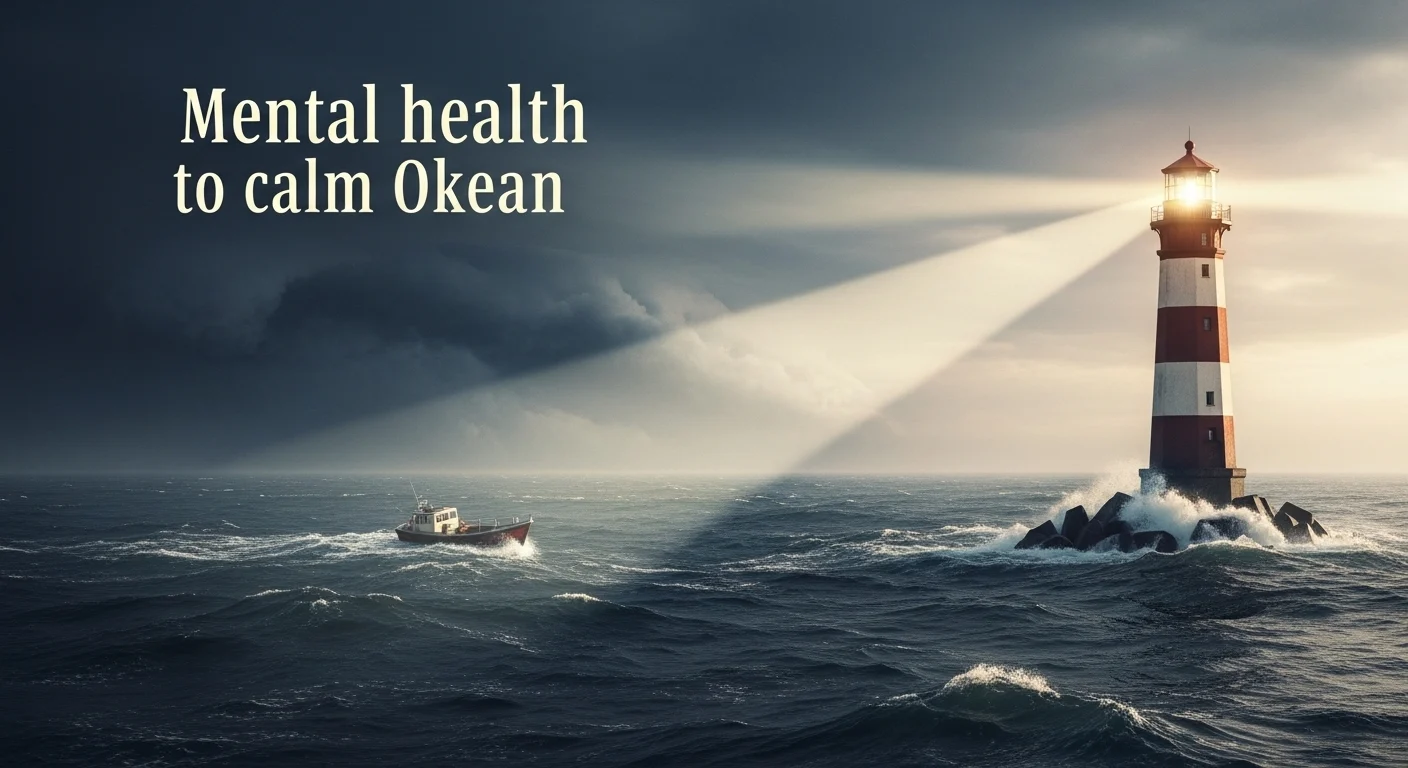
8. Like being lost at sea
- Meaning: Feeling directionless
- Deeper Insight: Lack of control or guidance
- Usage Insight: Poetic and reflective
- Examples:
- I felt like I was lost at sea with no compass.
- His thoughts drifted without direction.
9. Like a shadow that never leaves
- Meaning: Persistent mental struggle
- Deeper Insight: Ongoing anxiety or depression
- Usage Insight: Emotional and metaphorical
- Examples:
- Anxiety followed me like a shadow that never leaves.
- Fear stayed close no matter what I did.
10. Like walking on thin ice
- Meaning: Feeling fragile or unstable
- Deeper Insight: Fear of emotional breakdown
- Usage Insight: Useful in both formal and informal writing
- Examples:
- I felt like I was walking on thin ice every day.
- One small problem could break me.
11. Like a tangled web
- Meaning: Complicated thoughts
- Deeper Insight: Difficulty sorting emotions
- Usage Insight: Academic or reflective writing
- Examples:
- My thoughts were like a tangled web.
- I couldn’t untangle my feelings.
12. Like a ticking clock
- Meaning: Constant pressure
- Deeper Insight: Anxiety about time or expectations
- Usage Insight: Great for stress-related contexts
- Examples:
- Deadlines felt like a ticking clock in my head.
- Time pressure made me anxious.
13. Like drowning in silence
- Meaning: Feeling unheard or isolated
- Deeper Insight: Emotional loneliness
- Usage Insight: Poetic tone
- Examples:
- I felt like I was drowning in silence.
- No one noticed my struggles.
14. Like a cracked mirror
- Meaning: Distorted self-image
- Deeper Insight: Low self-esteem
- Usage Insight: Creative writing
- Examples:
- I saw myself like a cracked mirror.
- My self-image felt broken.
15. Like a fire burning inside
- Meaning: Intense emotions
- Deeper Insight: Anger or anxiety building
- Usage Insight: Emotional storytelling
- Examples:
- Stress burned like a fire inside me.
- I couldn’t calm the flames of worry.
16. Like a cage with no key
- Meaning: Feeling trapped mentally
- Deeper Insight: Lack of freedom or control
- Usage Insight: Powerful in essays
- Examples:
- My mind felt like a cage with no key.
- I couldn’t escape my thoughts.
17. Like a rollercoaster ride
- Meaning: Emotional ups and downs
- Deeper Insight: Mood instability
- Usage Insight: Casual and relatable
- Examples:
- My mental state felt like a rollercoaster ride.
- Emotions kept rising and falling.
18. Like an empty room
- Meaning: Feeling numb or hollow
- Deeper Insight: Emotional emptiness
- Usage Insight: Poetic or introspective
- Examples:
- I felt like an empty room inside.
- Nothing seemed to matter anymore.
19. Like chains holding you down
- Meaning: Feeling restricted
- Deeper Insight: Mental barriers
- Usage Insight: Strong emotional tone
- Examples:
- Anxiety felt like chains holding me down.
- I couldn’t move forward.
20. Like a flickering light
- Meaning: Unstable emotions
- Deeper Insight: Uncertainty and inconsistency
- Usage Insight: Creative writing
- Examples:
- My hope was like a flickering light.
- It kept fading and returning.
21. Like a storm cloud overhead
- Meaning: Constant worry
- Deeper Insight: Lingering stress
- Usage Insight: Descriptive writing
- Examples:
- Anxiety hung like a storm cloud overhead.
- I couldn’t escape the pressure.
22. Like a puzzle missing pieces
- Meaning: Feeling incomplete
- Deeper Insight: Lack of emotional clarity
- Usage Insight: Reflective tone
- Examples:
- I felt like a puzzle missing pieces.
- Something was always missing.
23. Like a sinking ship
- Meaning: Losing control
- Deeper Insight: Feeling overwhelmed
- Usage Insight: Dramatic storytelling
- Examples:
- My mind felt like a sinking ship.
- I couldn’t stay afloat emotionally.
24. Like a locked door
- Meaning: Emotional blockage
- Deeper Insight: Difficulty expressing feelings
- Usage Insight: Personal writing
- Examples:
- My emotions were like a locked door.
- I couldn’t open up to anyone.
25. Like sunlight breaking through clouds
- Meaning: Hope and recovery
- Deeper Insight: Healing after struggle
- Usage Insight: Positive and uplifting tone
- Examples:
- Therapy felt like sunlight breaking through clouds.
- Slowly, hope returned.
How to Use These Similes Effectively
Using similes for mental health can elevate your writing when done thoughtfully:
- In Essays: Use similes to explain emotional experiences clearly and make arguments more engaging.
- In Stories: Add depth to characters by showing their inner struggles.
- In Poetry: Similes enhance rhythm and emotional impact.
- In Content Writing: Make your blogs more relatable and reader-friendly.
Tip: Avoid overusing similes—choose the ones that fit your tone and message best.
FAQ About Mental Health Similes
1. Why use similes for mental health?
They help explain complex emotions in simple, relatable ways.
2. Are similes suitable for formal writing?
Yes, but use them carefully and ensure they match the tone.
3. Can similes improve storytelling?
Absolutely—they make emotions more vivid and engaging.
4. How many similes should I use in one piece?
Use a few strong ones rather than many weak or repetitive ones.
5. Can I create my own similes?
Yes! Original similes often feel more authentic and powerful.
Conclusion
Similes are more than just figures of speech—they are bridges between feelings and understanding. When discussing something as important and complex as mental health, the right simile can turn abstract emotions into something clear, relatable, and deeply human.
By using these powerful similes for mental health, you can express thoughts more vividly, connect with readers on a deeper level, and bring authenticity to your writing. Don’t hesitate to experiment, adapt, and create your own comparisons—your voice matters.

Chris Woak is a passionate language enthusiast and the creative voice behind Mitaphor.com. With a deep interest in similes, metaphors, and word meanings, Chris simplifies complex expressions into clear, engaging explanations that readers of all levels can understand. His work focuses on helping students, writers, and language lovers explore the power of figurative language and improve their communication skills.