Similes are one of the most effective tools for bringing emotions and scenes to life in writing. By comparing one thing to another using “like” or “as”, similes help readers instantly visualize and feel what you’re describing.
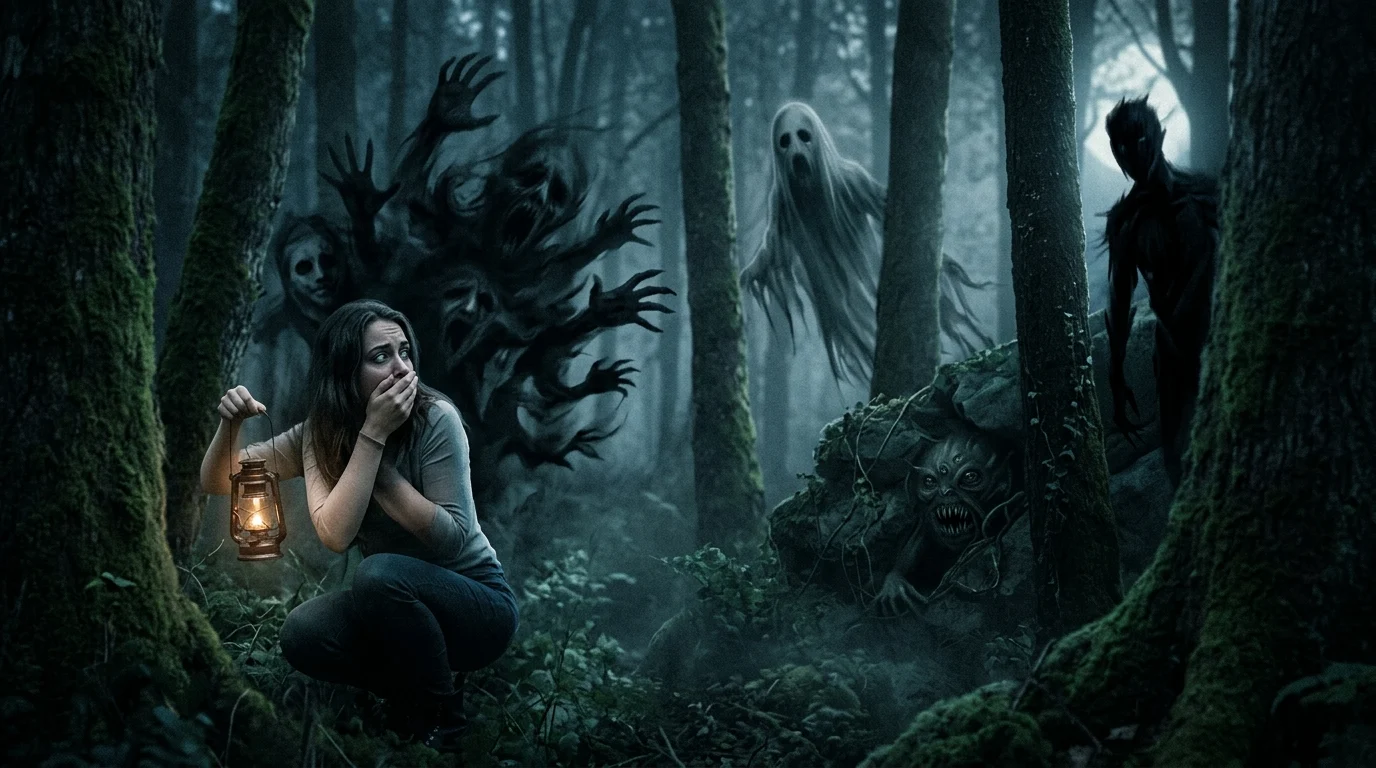
When it comes to fear, suspense, and horror, using powerful similes for scary moments can make your writing far more intense and memorable. Whether you’re writing a spooky story, a dramatic essay, or a gripping blog post, the right simile can turn an ordinary sentence into something truly chilling.
In this article, you’ll discover 29 powerful similes for scary situations, each with clear meanings, deeper explanations, usage tips, and natural examples to help you use them effectively.
What Is a Simile?
A simile is a figure of speech that compares two different things using “like” or “as” to highlight similarities.
Simple Examples:
- As cold as ice
- Like a shadow in the dark
Similes make writing more vivid, expressive, and easier to imagine.
29 Powerful Similes for Scary
1. As scary as a nightmare
- Meaning: Extremely frightening
- Deeper Definition: Describes something that feels unreal and terrifying
- Usage Insight: Works in both casual and descriptive writing
- Examples:
- The experience was as scary as a nightmare.
- His story sounded as scary as a nightmare.
2. Like a shadow in the dark
- Meaning: Creepy and mysterious
- Deeper Definition: Suggests something hidden and unknown
- Usage Insight: Perfect for suspenseful writing
- Examples:
- He moved like a shadow in the dark.
- The figure stood like a shadow in the dark.
3. As cold as a grave
- Meaning: Frightening and lifeless
- Deeper Definition: Suggests death and emptiness
- Usage Insight: Ideal for horror or gothic writing
- Examples:
- The room felt as cold as a grave.
- Her touch was as cold as a grave.
4. Like a ghost in the night
- Meaning: Silent and terrifying
- Deeper Definition: Suggests an unseen or supernatural presence
- Usage Insight: Great for storytelling
- Examples:
- He appeared like a ghost in the night.
- The sound came like a ghost in the night.
5. As silent as a tomb
- Meaning: Completely quiet in a frightening way
- Deeper Definition: Suggests eerie stillness
- Usage Insight: Perfect for suspense scenes
- Examples:
- The house was as silent as a tomb.
- The forest felt as silent as a tomb.
6. Like a scream in the dark
- Meaning: Sudden and terrifying
- Deeper Definition: Suggests shock and fear
- Usage Insight: Dramatic and intense tone
- Examples:
- The noise hit like a scream in the dark.
- His fear rose like a scream in the dark.
7. As dark as a bottomless pit
- Meaning: Extremely dark and frightening
- Deeper Definition: Suggests endless fear or unknown danger
- Usage Insight: Great for descriptive horror writing
- Examples:
- The cave was as dark as a bottomless pit.
- His thoughts felt as dark as a bottomless pit.
8. Like a monster lurking
- Meaning: Hidden danger
- Deeper Definition: Suggests something waiting to attack
- Usage Insight: Suspenseful storytelling
- Examples:
- Fear crept like a monster lurking.
- The danger felt like a monster lurking.
9. As chilling as icy wind
- Meaning: Deeply frightening
- Deeper Definition: Suggests a cold, unsettling feeling
- Usage Insight: Poetic or descriptive tone
- Examples:
- His whisper was as chilling as icy wind.
- The moment felt as chilling as icy wind.
10. Like footsteps behind you
- Meaning: Unsettling and paranoid
- Deeper Definition: Suggests being followed
- Usage Insight: Perfect for suspense writing
- Examples:
- The fear crept in like footsteps behind you.
- The silence felt like footsteps behind you.
11. As terrifying as a horror movie
- Meaning: Extremely scary
- Deeper Definition: Relates to intense fear and shock
- Usage Insight: Casual and relatable
- Examples:
- The scene was as terrifying as a horror movie.
- His dream felt as terrifying as a horror movie.
12. Like a whisper in the dark
- Meaning: Subtle but creepy
- Deeper Definition: Suggests hidden presence
- Usage Insight: Poetic and suspenseful tone
- Examples:
- The sound came like a whisper in the dark.
- His voice felt like a whisper in the dark.
13. As eerie as a haunted house
- Meaning: Strange and frightening
- Deeper Definition: Suggests supernatural fear
- Usage Insight: Great for descriptive writing
- Examples:
- The place was as eerie as a haunted house.
- The silence felt as eerie as a haunted house.
14. Like a trap closing in
- Meaning: Fear of being caught
- Deeper Definition: Suggests danger tightening around someone
- Usage Insight: Dramatic storytelling
- Examples:
- The situation felt like a trap closing in.
- Fear grew like a trap closing in.
15. As sharp as fear itself
- Meaning: Intense and painful fear
- Deeper Definition: Suggests emotional sharpness
- Usage Insight: Poetic tone
- Examples:
- The panic was as sharp as fear itself.
- His thoughts cut as sharp as fear itself.
16. Like a sudden thunderclap
- Meaning: Shockingly scary
- Deeper Definition: Suggests sudden fear
- Usage Insight: Dramatic scenes
- Examples:
- The noise came like a sudden thunderclap.
- Fear struck like a sudden thunderclap.
17. As unsettling as a broken mirror
- Meaning: Disturbing and strange
- Deeper Definition: Suggests unease and bad luck
- Usage Insight: Creative writing
- Examples:
- The image was as unsettling as a broken mirror.
- The moment felt as unsettling as a broken mirror.
18. Like eyes watching you
- Meaning: Creepy and paranoid
- Deeper Definition: Suggests being observed
- Usage Insight: Suspenseful tone
- Examples:
- The darkness felt like eyes watching you.
- The silence was like eyes watching you.
19. As hollow as a graveyard
- Meaning: Empty and frightening
- Deeper Definition: Suggests loneliness and fear
- Usage Insight: Descriptive scenes
- Examples:
- The place felt as hollow as a graveyard.
- His voice sounded as hollow as a graveyard.
20. Like a nightmare coming true
- Meaning: Extremely frightening reality
- Deeper Definition: Suggests worst fears becoming real
- Usage Insight: Emotional writing
- Examples:
- The moment felt like a nightmare coming true.
- The event unfolded like a nightmare coming true.
21. As tense as a drawn bow
- Meaning: Full of fear and anticipation
- Deeper Definition: Suggests pressure and readiness
- Usage Insight: Dramatic scenes
- Examples:
- The air was as tense as a drawn bow.
- He stood as tense as a drawn bow.
22. Like darkness swallowing light
- Meaning: Overwhelming fear
- Deeper Definition: Suggests fear taking over completely
- Usage Insight: Poetic and dramatic
- Examples:
- Fear spread like darkness swallowing light.
- The moment felt like darkness swallowing light.
23. As sudden as a jump scare
- Meaning: Unexpected fear
- Deeper Definition: Suggests shock and surprise
- Usage Insight: Casual tone
- Examples:
- The sound was as sudden as a jump scare.
- His reaction came as sudden as a jump scare.
24. Like a door creaking open
- Meaning: Slow and suspenseful fear
- Deeper Definition: Suggests something about to happen
- Usage Insight: Horror storytelling
- Examples:
- The silence stretched like a door creaking open.
- Fear grew like a door creaking open.
25. As cold as fear
- Meaning: Emotionally chilling
- Deeper Definition: Suggests numbness and dread
- Usage Insight: Poetic tone
- Examples:
- His hands were as cold as fear.
- The moment felt as cold as fear.
26. Like a shadow creeping closer
- Meaning: Fear increasing gradually
- Deeper Definition: Suggests slow approach of danger
- Usage Insight: Suspense writing
- Examples:
- The danger felt like a shadow creeping closer.
- Fear grew like a shadow creeping closer.
27. As haunting as a forgotten memory
- Meaning: Deeply disturbing
- Deeper Definition: Suggests lingering fear
- Usage Insight: Emotional and poetic writing
- Examples:
- The feeling was as haunting as a forgotten memory.
- His words stayed as haunting as a forgotten memory.
28. Like a heartbeat in silence
- Meaning: Tense and frightening
- Deeper Definition: Suggests heightened awareness
- Usage Insight: Suspenseful scenes
- Examples:
- The sound echoed like a heartbeat in silence.
- The moment felt like a heartbeat in silence.
29. As terrifying as the unknown
- Meaning: Fear of uncertainty
- Deeper Definition: Suggests fear without clear cause
- Usage Insight: Philosophical or dramatic writing
- Examples:
- The future felt as terrifying as the unknown.
- The darkness was as terrifying as the unknown.
How to Use These Similes Effectively
Using similes for scary moments can improve your writing:
- Stories: Build suspense and horror
- Essays: Describe fear clearly
- Poems: Add emotional depth
- Content Writing: Make descriptions engaging
Tips:
- Use similes to enhance mood, not overload text
- Match tone (dramatic, poetic, casual)
- Place similes at key emotional moments
Frequently Asked Questions (FAQ)
1. What are scary similes?
They are comparisons used to describe fear, suspense, or horror.
2. Why use similes in horror writing?
They make scenes more vivid and emotionally intense.
3. Can scary similes be used in essays?
Yes, especially in descriptive or narrative essays.
4. How many similes should I use?
Use them sparingly for maximum impact.
5. Can I create my own scary similes?
Yes, original similes make your writing more unique.
Conclusion
Using powerful similes for scary situations can dramatically improve your writing by making fear more vivid and relatable. These comparisons help readers feel the tension, suspense, and emotion behind your words.
Experiment with these similes and create your own to bring depth, creativity, and intensity to your writing.

James Williams is a dedicated language writer and contributor at Mitaphor.com, where he explores the art of similes, metaphors, and word meanings. With a passion for making language simple and engaging, James breaks down complex expressions into clear, easy-to-understand insights. His work is designed to help students, writers, and curious readers better understand figurative language and use it effectively in everyday communication.